


Get On The List
Get the latest Men's Style Advice, Evergreen Guides, Shopping Tips, and Exclusive Deals From Today's Top Brands.
 16 February 2025
 Tom Banham
We independently evaluate all recommended products and services. Any products or services put forward appear in no particular order. if you click on links we provide, we may receive compensation.
If you’re under five-foot-nine (the average height of a British man) then you’ll know the pain of shopping on the high street. Most clothes aren’t cut for men of your stature, the thinking going that though hems and cuffs can be taken up, they can’t be lengthened. Which is true, but for short men, it means that often the only way to look like you’re not wearing your dad’s clothes is to take them to a tailor.
Dressing for your height means different rules for everyone, but the diminutive man doesn’t have to shell out, or swerve style completely. With these moves, you’ll be able to step things up, no matter how tall you are.
There’s no getting around the fact that most off-the-rack trousers are often going to be too long. Fortunately, your local dry cleaner can fix that for less than the cost of a beer. Get one pair done by a good tailor – maybe even have them taper them, too – then take them in as a blueprint every time you need a new pair hemmed.
Your clothes should create an illusion of length, and the best approach is to have top and bottom flow into each other. “Wear block colours in the same, or very similar shades,” says Luke McDonald, from men’s styling service Thread. “They make your body seem longer because there’s less contrast.”
Style is all about proportion, and if you’re shorter, that generally means you want to lengthen your legs. If you tuck your shirt in to trousers worn nearer your waist than your hips, you’ll add a couple of extra inches to your pins, making them seem willowy, rather than squat.
If you’ve not got much going on vertically, then you need to minimise what’s happening horizontally. “You’ll disappear in baggy clothes,” says McDonald. Slimmer fits will make you seem longer and leaner, so stick to tapered trousers and tailored shirts for short men.
You probably don’t need us to tell you not to wear wildly patterned trousers, but even so, it’s best to keep detail on your top-half. “You should be looking to draw the eye up, rather than down,” says McDonald. “That means you should stick to neutral trousers and go for prints or patterns in things like shirts and sweaters.”
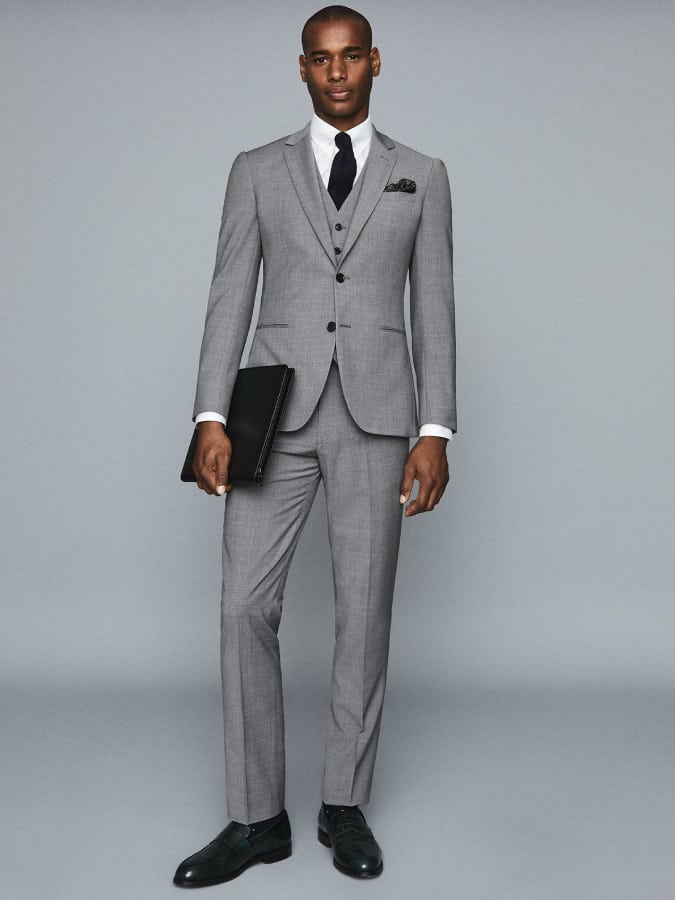
Tailoring is flattering to any physique, but especially helpful when you’re shorter, because it creates a single block of colour that stretches your physique. Stick to slim fits and skinny lapels, which will make you seem bigger, and find a style that buttons above your navel, to lengthen your body.
 Reiss
Reiss
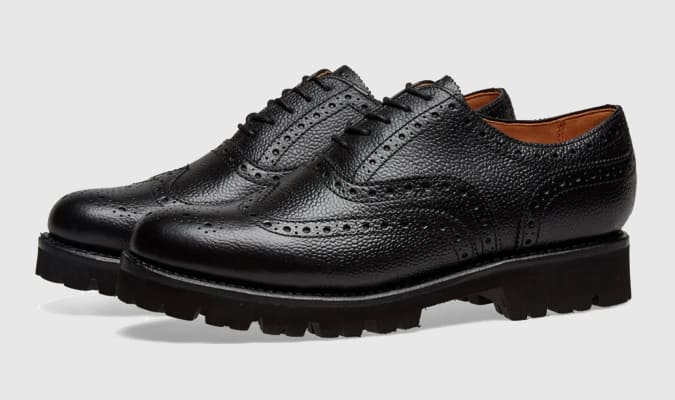
Cuban heels can be a literal way to add inches, but they’re statement-makers than can come off as desperate. Instead, tap the current trend for chunky dad trainers (Balenciaga’s Triple S will add two-and-a-half inches), commando-soled smart shoes, or hefty work boots.
 Grenson
Anything boxy is going to make you look dumpy – remember, you want to keep a long, lean silhouette – so go for tailored tees and shirts. “Look for shirts where the hem finishes around your hips, rather than your buttocks,” says McDonald. “They’ll lengthen your legs and keep you in proportion.”
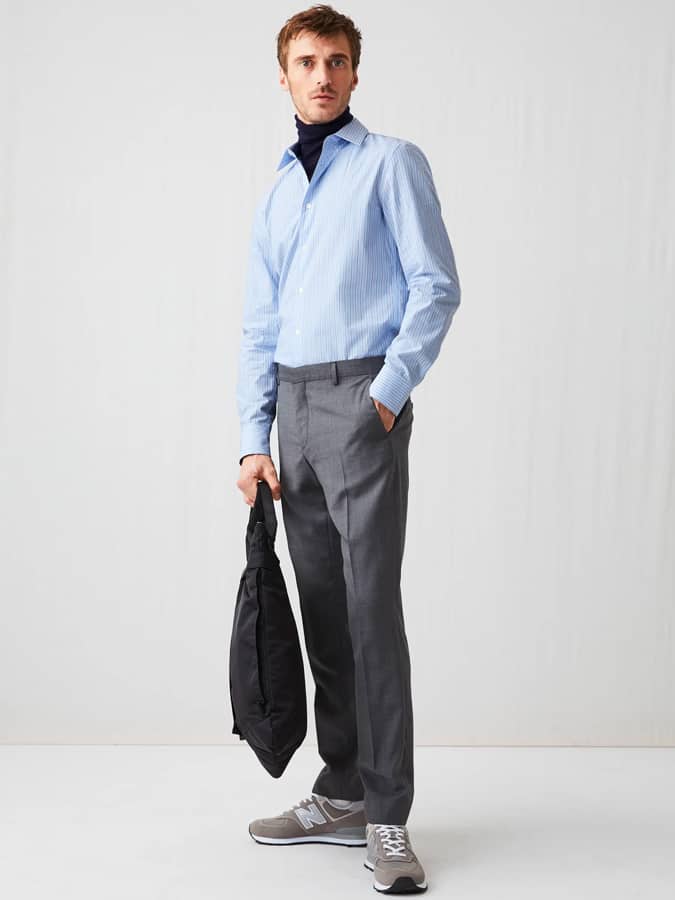 Arket
Arket
Add length to your legs by taking a note from five-foot-eight style icon Steve McQueen. He wore his jeans and tailored trousers a couple of inches below his navel, which stretched his legs and made him seem more statuesque. Just stick to slim or tapered fits, otherwise you’ll end up bottom-heavy.
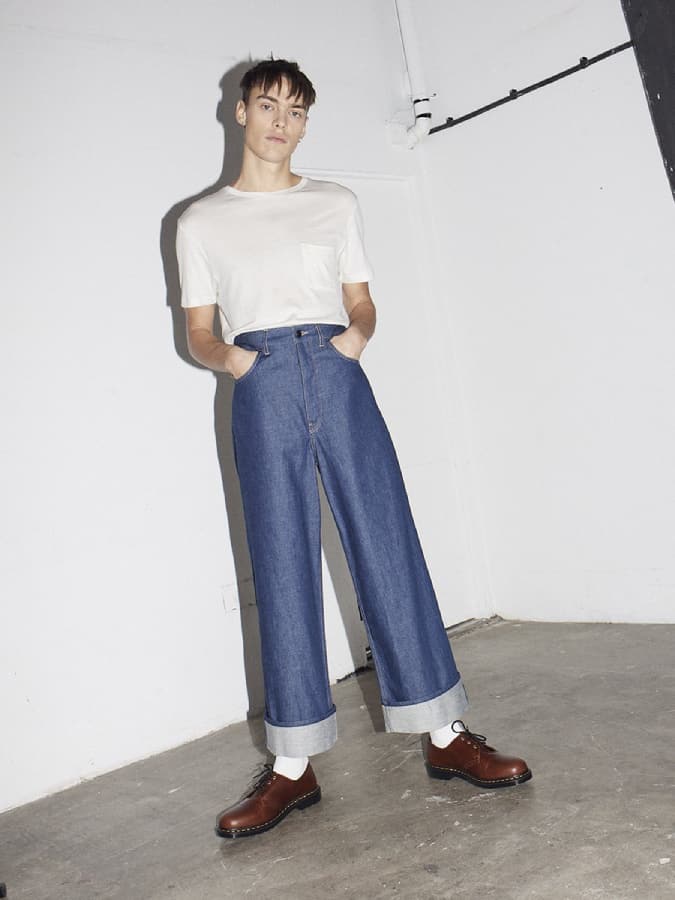 King & Tuckfield
Just like trousers, short outerwear can raise your waistline a few inches. “It keeps your body in proportion,” says Tom Saunders, buyer at John Lewis, who recommends cropped Harrington jacket or bomber. Avoid coats that fall below the knee – overcoats should land above mid-thigh – or you’ll look like you’re wearing a cape.
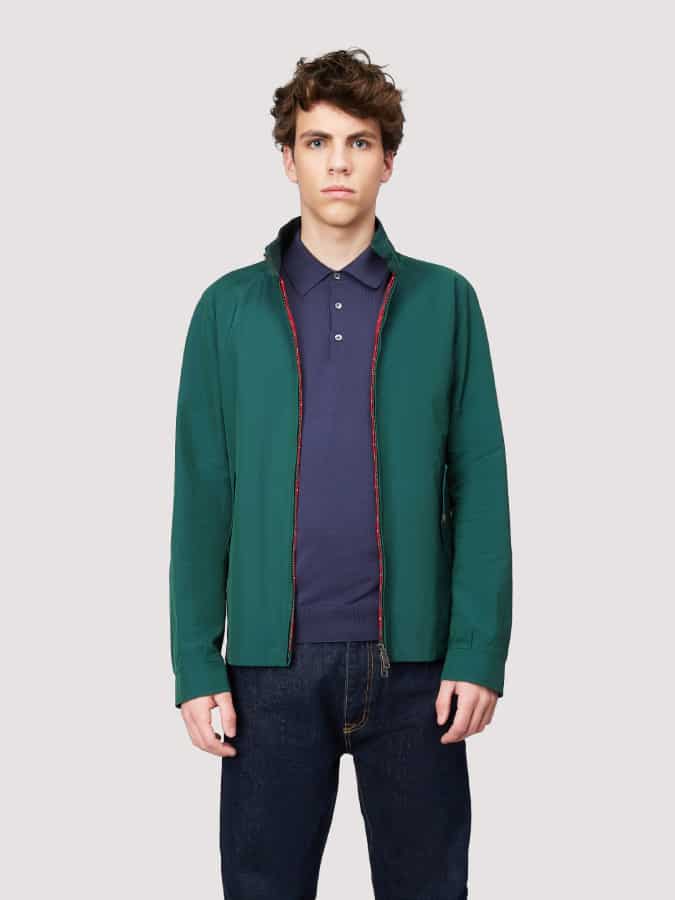 Baracuta
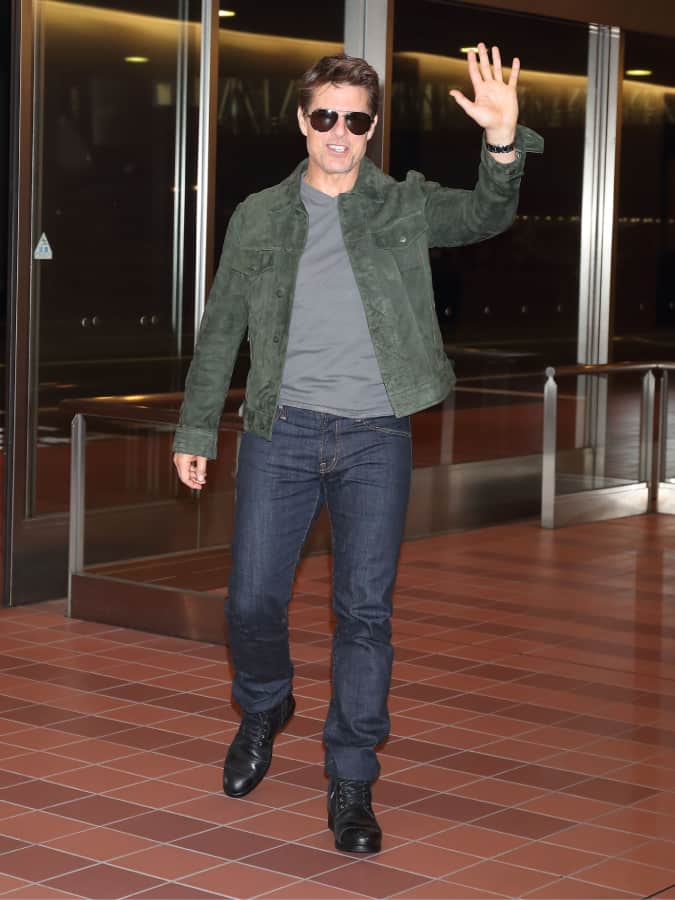
The pint-sized actor supposedly had then-wife Katie Holmes (who is two inches taller) stand in a hole for their wedding photos, but his short-guy style isn’t all smoke and mirrors. Think cropped flight jackets, trim suits and big motorcycle boots, all of which give him some extra heft.
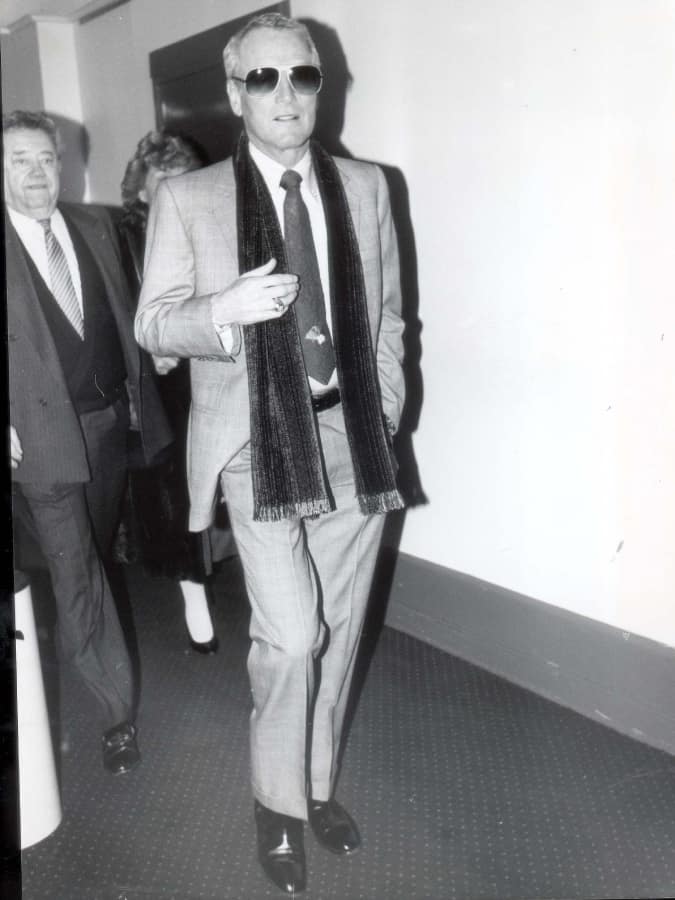
At five-foot-eight, Newman only stands a bit below the national average, but his wardrobe was a masterclass in sartorial gravitas. Steal his jumper-tucked-into-high-trousers looks. Lift his dark suits and slim ties. Nab his baseball tees, which drew attention to his shoulders. Even the racing overalls are worth a look – the boiler suit is trending, after all.
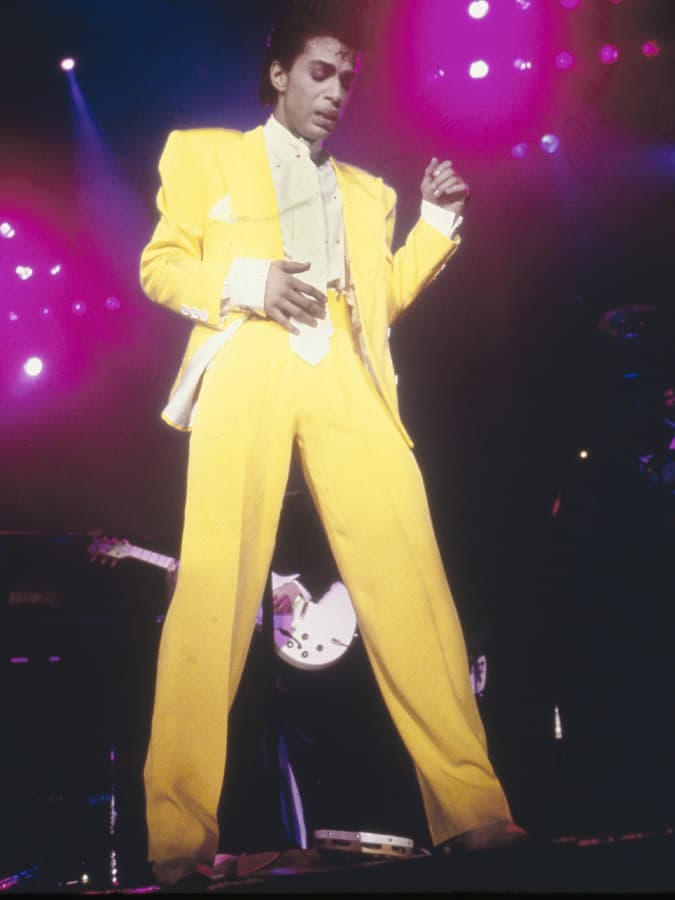
Okay, so maybe you’re not one for crushed velvet suits. But at five-foot-two, Prince was proof that being diminutive shouldn’t stop you taking style risks. Amid all the silk, he stuck to a few solid short-style rules: wear one colour head-to-toe, add height with voluminous hair, and be confident enough to wear a zoot suit with a frilly shirt …if you want to.
The average Japanese man stands five-foot-seven, which means Japanese brands are generally cut smaller. Beams is one of the country’s biggest retailers and though not everything is available over here, its premium Americana-tinged line, Beams Plus, should be every short man’s go-to.

Unlike most brands, Gap’s jeans and chinos come in a 28-inch inseam, which is handy if you’ve got shorter-than-average legs. Its slim- and skinny-fit range is extensive, which is good if you’re looking for a pair of trousers to make your legs look longer.

Though the Japanese brand makes trousers with a standard 32-inch inseam, it does offer free hemming, so that you can have them taken up onsite. No more lugging your new purchase to a tailor before you can actually wear them. The brand’s EZY cropped trousers are also ideal if you don’t want to wait.

Though not geared towards shorter men, the brand’s signature high-waisted trousers are the ideal way to play optical illusions with your proportions and magic your way to a couple of extra inches. Helpfully, they also have side tabs, which means you can adjust them to fit without having to rely on a belt, which breaks up your body.
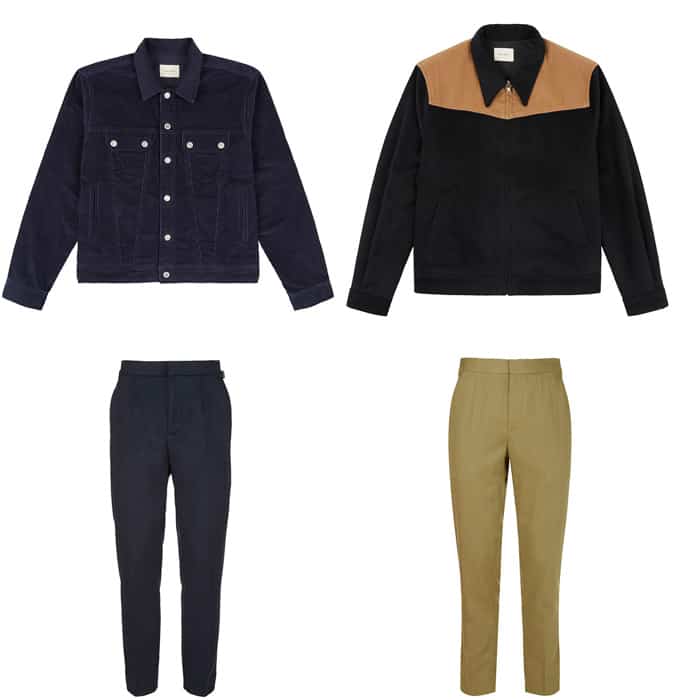
A New York-based brand that caters to “not-so-tall guys”, Peter Manning’s trousers start from a 25-inch inseam and its tops and blazers are also designed to flatter – and fit – smaller frames. It specialises in classic American style, which means it’s not the place to get the latest trends, but perfect for those basics where fit matters the most.

Jocks & Nerds deputy editor Tom Banham is an outerwear addict with bylines in GQ, Men’s Health and Mr Porter. He’s fascinated by the collision of high fashion and streetwear, but also knows his way around a soft-shouldered blazer. Follow him on Instagram and Twitter at @banham_tom
 16 February 2025
 Tom Banham
We independently evaluate all recommended products and services. Any products or services put forward appear in no particular order. if you click on links we provide, we may receive compensation.
If you’re under five-foot-nine (the average height of a British man) then you’ll know the pain of shopping on the high street. Most clothes aren’t cut for men of your stature, the thinking going that though hems and cuffs can be taken up, they can’t be lengthened. Which is true, but for short men, it means that often the only way to look like you’re not wearing your dad’s clothes is to take them to a tailor.
Dressing for your height means different rules for everyone, but the diminutive man doesn’t have to shell out, or swerve style completely. With these moves, you’ll be able to step things up, no matter how tall you are.
There’s no getting around the fact that most off-the-rack trousers are often going to be too long. Fortunately, your local dry cleaner can fix that for less than the cost of a beer. Get one pair done by a good tailor – maybe even have them taper them, too – then take them in as a blueprint every time you need a new pair hemmed.
Your clothes should create an illusion of length, and the best approach is to have top and bottom flow into each other. “Wear block colours in the same, or very similar shades,” says Luke McDonald, from men’s styling service Thread. “They make your body seem longer because there’s less contrast.”
Style is all about proportion, and if you’re shorter, that generally means you want to lengthen your legs. If you tuck your shirt in to trousers worn nearer your waist than your hips, you’ll add a couple of extra inches to your pins, making them seem willowy, rather than squat.
If you’ve not got much going on vertically, then you need to minimise what’s happening horizontally. “You’ll disappear in baggy clothes,” says McDonald. Slimmer fits will make you seem longer and leaner, so stick to tapered trousers and tailored shirts for short men.
You probably don’t need us to tell you not to wear wildly patterned trousers, but even so, it’s best to keep detail on your top-half. “You should be looking to draw the eye up, rather than down,” says McDonald. “That means you should stick to neutral trousers and go for prints or patterns in things like shirts and sweaters.”
Tailoring is flattering to any physique, but especially helpful when you’re shorter, because it creates a single block of colour that stretches your physique. Stick to slim fits and skinny lapels, which will make you seem bigger, and find a style that buttons above your navel, to lengthen your body.
Reiss
Cuban heels can be a literal way to add inches, but they’re statement-makers than can come off as desperate. Instead, tap the current trend for chunky dad trainers (Balenciaga’s Triple S will add two-and-a-half inches), commando-soled smart shoes, or hefty work boots.
Grenson
Anything boxy is going to make you look dumpy – remember, you want to keep a long, lean silhouette – so go for tailored tees and shirts. “Look for shirts where the hem finishes around your hips, rather than your buttocks,” says McDonald. “They’ll lengthen your legs and keep you in proportion.”
Arket
Add length to your legs by taking a note from five-foot-eight style icon Steve McQueen. He wore his jeans and tailored trousers a couple of inches below his navel, which stretched his legs and made him seem more statuesque. Just stick to slim or tapered fits, otherwise you’ll end up bottom-heavy.
King & Tuckfield
Just like trousers, short outerwear can raise your waistline a few inches. “It keeps your body in proportion,” says Tom Saunders, buyer at John Lewis, who recommends cropped Harrington jacket or bomber. Avoid coats that fall below the knee – overcoats should land above mid-thigh – or you’ll look like you’re wearing a cape.
Baracuta
The pint-sized actor supposedly had then-wife Katie Holmes (who is two inches taller) stand in a hole for their wedding photos, but his short-guy style isn’t all smoke and mirrors. Think cropped flight jackets, trim suits and big motorcycle boots, all of which give him some extra heft.
At five-foot-eight, Newman only stands a bit below the national average, but his wardrobe was a masterclass in sartorial gravitas. Steal his jumper-tucked-into-high-trousers looks. Lift his dark suits and slim ties. Nab his baseball tees, which drew attention to his shoulders. Even the racing overalls are worth a look – the boiler suit is trending, after all.
Okay, so maybe you’re not one for crushed velvet suits. But at five-foot-two, Prince was proof that being diminutive shouldn’t stop you taking style risks. Amid all the silk, he stuck to a few solid short-style rules: wear one colour head-to-toe, add height with voluminous hair, and be confident enough to wear a zoot suit with a frilly shirt …if you want to.
The average Japanese man stands five-foot-seven, which means Japanese brands are generally cut smaller. Beams is one of the country’s biggest retailers and though not everything is available over here, its premium Americana-tinged line, Beams Plus, should be every short man’s go-to.
Unlike most brands, Gap’s jeans and chinos come in a 28-inch inseam, which is handy if you’ve got shorter-than-average legs. Its slim- and skinny-fit range is extensive, which is good if you’re looking for a pair of trousers to make your legs look longer.
Though the Japanese brand makes trousers with a standard 32-inch inseam, it does offer free hemming, so that you can have them taken up onsite. No more lugging your new purchase to a tailor before you can actually wear them. The brand’s EZY cropped trousers are also ideal if you don’t want to wait.
Though not geared towards shorter men, the brand’s signature high-waisted trousers are the ideal way to play optical illusions with your proportions and magic your way to a couple of extra inches. Helpfully, they also have side tabs, which means you can adjust them to fit without having to rely on a belt, which breaks up your body.
A New York-based brand that caters to “not-so-tall guys”, Peter Manning’s trousers start from a 25-inch inseam and its tops and blazers are also designed to flatter – and fit – smaller frames. It specialises in classic American style, which means it’s not the place to get the latest trends, but perfect for those basics where fit matters the most.
Jocks & Nerds deputy editor Tom Banham is an outerwear addict with bylines in GQ, Men’s Health and Mr Porter. He’s fascinated by the collision of high fashion and streetwear, but also knows his way around a soft-shouldered blazer. Follow him on Instagram and Twitter at @banham_tom


Get the latest Men's Style Advice, Evergreen Guides, Shopping Tips, and Exclusive Deals From Today's Top Brands.
We respect your privacy. We won't spam you.
Get the latest Men's Style Advice, Evergreen Guides, Shopping Tips, and Exclusive Deals From Today's Top Brands.
We respect your privacy. We won't spam you.
