


Get On The List
Get the latest Men's Style Advice, Evergreen Guides, Shopping Tips, and Exclusive Deals From Today's Top Brands.

 03 January 2013
 Castor Incandenza
We independently evaluate all recommended products and services. Any products or services put forward appear in no particular order. if you click on links we provide, we may receive compensation.
Is fashion art? There have been many debates over this age-old question, with designers such as John Varvatos determined that fashion is indeed a form of art, while the likes of Marc Jacobs and Comme Des Garçons are seated resolutely on the opposite side of the fence. Although this difference of opinions may never be resolved, there is no denying the massive influence art has had on fashion over the years. From inspired ideas and almost blatant plagiarism to direct collaborations and capsule collections, the relationship between art and fashion has grown exponentially ever since Dali and Schiaparelli’s famous Lobster Dress in 1937. Now more than ever, modern art can be seen in current fashion trends across high street stores and designer menswear collections, exquisitely composed on a human-shaped canvas. The inclusion of limited edition pieces in numerous campaigns adds a unique feel synonymous with a work of art, as does the individually numbered items that labels such as Common Projects now often offer. It is not only modern art’s painters that have influenced men’s fashion, the extensive use of iconic photography on t-shirts and the sculptural shapes in sportswear and athletic clothing collections have also helped mould the identity of menswear in recent years.
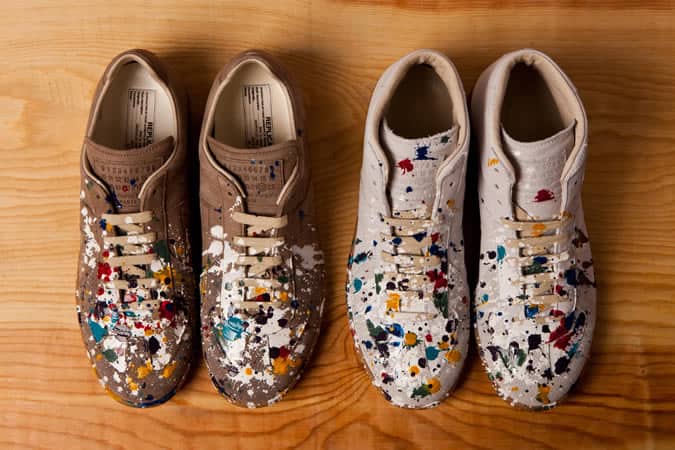
Abstract expressionism is based on automatic or subconscious creation and was the first specifically American art movement to be accepted internationally. Its rebellious and anarchic image was epitomised by Jackson Pollock, who redefined what it was to produce art by stepping away from the easel, instead attacking the prone canvas with paint from all sides. Pollock’s unmistakable style can be clearly recognised in several of this season’s collections, with Maison Martin Margiela’s ‘Paint Splatter’ sneakers an excellent example. Is the understated, neutral leather base of these shoes an interpretation of the canvas Pollock used or is this design a representation of what Pollock might have worn during the frenzied fling of action painting?
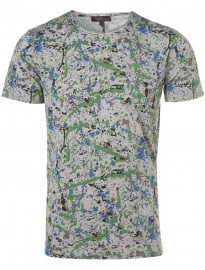
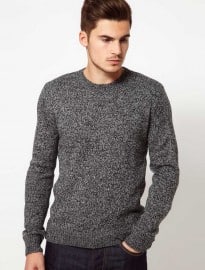
Often compared to Pollock for his ‘all-over’ style was American-born painter Mark Tobey. His ‘white-writing’ canvases are considered imperative to the early manifestation of abstract expressionism and combine an overlay of white calligraphic symbols on a dense armature composed of thousands of small and interwoven brush strokes. The series of flecked knitwear from labels like Our Legacy clearly pay tribute to Tobey?s work, as does the new take on camouflage that appears to be adorning almost every spring/summer 2013 menswear release:

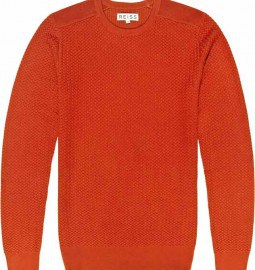
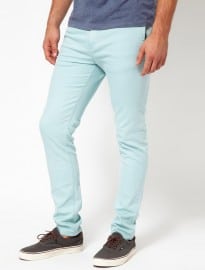
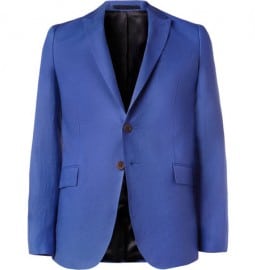
Another artist who played a pivotal role in the development of abstract expressionism was Mark Rothko. Famous for his fields of colour and light, Rothko considered the work of modernism to take reference from primitive and child like art. Using colour as an instrument to build harmonious choirs, echoes of these bleeding timbres are resonating by way of the dip-dye styles on display in current menswear campaigns:
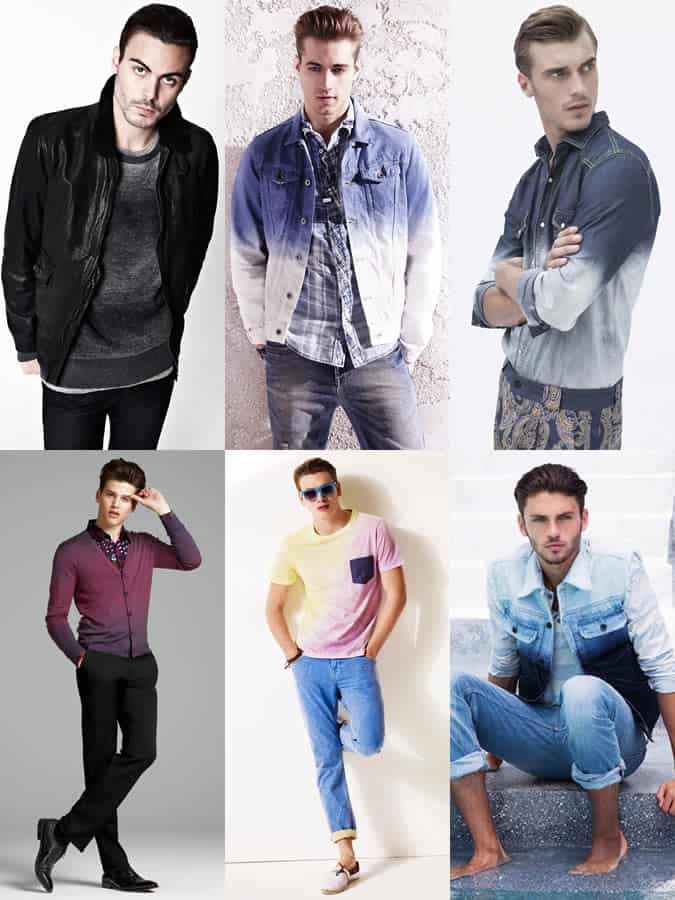
Channel your inner rebel by pairing expressionist inspired pieces with robust textures such as denim, leather and suede for a rugged and edgy look.
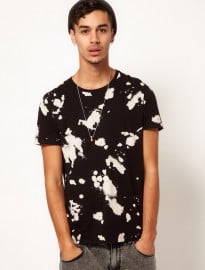
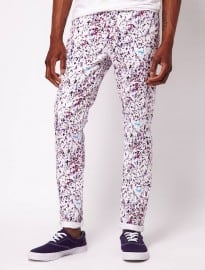
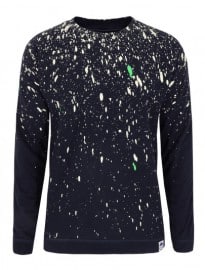
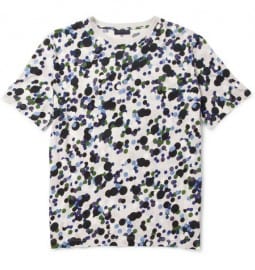
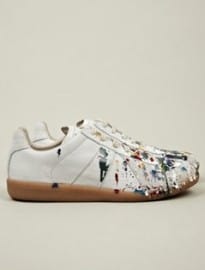
These are by no means the only examples of art movements influencing current fashion trends. The minimalist aesthetic is commonplace in menswear, as demonstrated by labels such COS, Acne and J. Lindeberg, while Jil Sander’s latest campaign takes direct reference from neoplasticist Piet Mondrian. However, it is the influence of American modern art in particular that has recently come to the fore, perhaps signifying the position of power it (specifically New York) holds over the rest of the fashion world. Let me know your thoughts in the comment section below…

Author of men’s fashion, fragrance and style blog; Letters from the Underworld.
http://www.lettersfromtheunderworld.com/
 03 January 2013
 Castor Incandenza
We independently evaluate all recommended products and services. Any products or services put forward appear in no particular order. if you click on links we provide, we may receive compensation.
Is fashion art? There have been many debates over this age-old question, with designers such as John Varvatos determined that fashion is indeed a form of art, while the likes of Marc Jacobs and Comme Des Garçons are seated resolutely on the opposite side of the fence. Although this difference of opinions may never be resolved, there is no denying the massive influence art has had on fashion over the years. From inspired ideas and almost blatant plagiarism to direct collaborations and capsule collections, the relationship between art and fashion has grown exponentially ever since Dali and Schiaparelli’s famous Lobster Dress in 1937. Now more than ever, modern art can be seen in current fashion trends across high street stores and designer menswear collections, exquisitely composed on a human-shaped canvas. The inclusion of limited edition pieces in numerous campaigns adds a unique feel synonymous with a work of art, as does the individually numbered items that labels such as Common Projects now often offer. It is not only modern art’s painters that have influenced men’s fashion, the extensive use of iconic photography on t-shirts and the sculptural shapes in sportswear and athletic clothing collections have also helped mould the identity of menswear in recent years.
Abstract expressionism is based on automatic or subconscious creation and was the first specifically American art movement to be accepted internationally. Its rebellious and anarchic image was epitomised by Jackson Pollock, who redefined what it was to produce art by stepping away from the easel, instead attacking the prone canvas with paint from all sides. Pollock’s unmistakable style can be clearly recognised in several of this season’s collections, with Maison Martin Margiela’s ‘Paint Splatter’ sneakers an excellent example. Is the understated, neutral leather base of these shoes an interpretation of the canvas Pollock used or is this design a representation of what Pollock might have worn during the frenzied fling of action painting?
Often compared to Pollock for his ‘all-over’ style was American-born painter Mark Tobey. His ‘white-writing’ canvases are considered imperative to the early manifestation of abstract expressionism and combine an overlay of white calligraphic symbols on a dense armature composed of thousands of small and interwoven brush strokes. The series of flecked knitwear from labels like Our Legacy clearly pay tribute to Tobey?s work, as does the new take on camouflage that appears to be adorning almost every spring/summer 2013 menswear release:
Another artist who played a pivotal role in the development of abstract expressionism was Mark Rothko. Famous for his fields of colour and light, Rothko considered the work of modernism to take reference from primitive and child like art. Using colour as an instrument to build harmonious choirs, echoes of these bleeding timbres are resonating by way of the dip-dye styles on display in current menswear campaigns:
Channel your inner rebel by pairing expressionist inspired pieces with robust textures such as denim, leather and suede for a rugged and edgy look.
These are by no means the only examples of art movements influencing current fashion trends. The minimalist aesthetic is commonplace in menswear, as demonstrated by labels such COS, Acne and J. Lindeberg, while Jil Sander’s latest campaign takes direct reference from neoplasticist Piet Mondrian. However, it is the influence of American modern art in particular that has recently come to the fore, perhaps signifying the position of power it (specifically New York) holds over the rest of the fashion world. Let me know your thoughts in the comment section below…
Author of men’s fashion, fragrance and style blog; Letters from the Underworld.
http://www.lettersfromtheunderworld.com/


Get the latest Men's Style Advice, Evergreen Guides, Shopping Tips, and Exclusive Deals From Today's Top Brands.
We respect your privacy. We won't spam you.
Get the latest Men's Style Advice, Evergreen Guides, Shopping Tips, and Exclusive Deals From Today's Top Brands.
We respect your privacy. We won't spam you.
