


Get On The List
Get the latest Men's Style Advice, Evergreen Guides, Shopping Tips, and Exclusive Deals From Today's Top Brands.

 22 February 2013
 Alex Woodhall
We independently evaluate all recommended products and services. Any products or services put forward appear in no particular order. if you click on links we provide, we may receive compensation.
Snow has quickly become part and parcel of Britain’s late winter climate. Over the last few years, and particularly in recent weeks, wardrobe conditions have worsened as the country is once again blanketed in the white stuff. Despite that we have come to expect it, every time snow season arrives, it still manages to slow the country down and cause as much – if not more – disruption as it did the time before.
The year’s opening months can make it a nightmare when it comes to dressing for an often extreme climate. Most reach for the biggest and warmest clothing they can find, whilst others attempt to style it out, falling short on practicality.
Today we are going to be trying to find a happy – and stylish – medium between the two, breaking down the key considerations you should be making when creating looks designed to brace the chill.
When dressing for dropping temperatures, getting your choice of outerwear right is imperative. There is a vast array of options available for combating extreme weather, and making the right choice – in terms of practicality and polish – is the difference between a great outfit and a poor one.
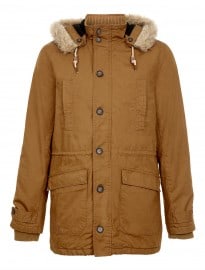
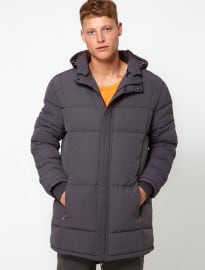
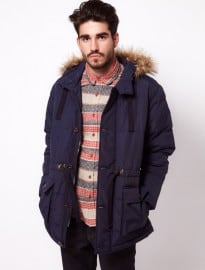
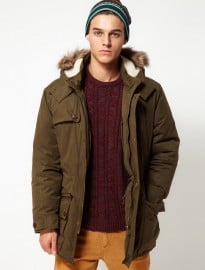
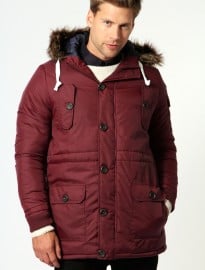
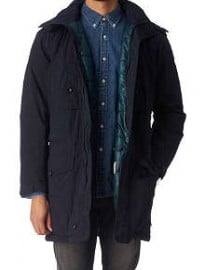
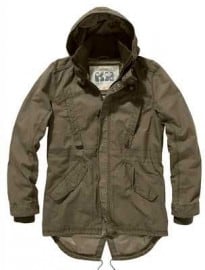
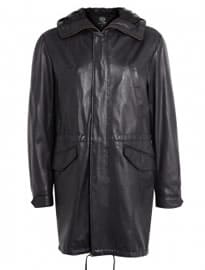
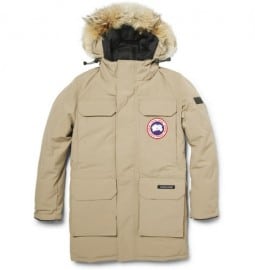
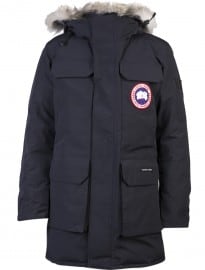
In terms of warmth, a down-filled parka is one of the finest selections you can make. The military inspired, mod-favored outerwear possesses both the sensibility and sophistication we require, whilst the versatility of the style means it works for both casual and smart looks; pairing as well with tailoring as it does jeans and t-shirt combinations.
Even as the snow clears up, the parka will continue to serve you well for the occasional cold snap and particularly the early morning commute. While we often encourage you to develop well-layered looks, a parka eradicates the necessity of excessive or bulky layers for insulation. The down filling ensures you can battle even the harshest of elements with just your suit underneath, and once removed you will be able to enjoy your commute without feeling hot or uncomfortable.

If putting all of your faith in one piece of outerwear isn’t for you, or you’re aiming for a more creative route to tackling the snow, then carefully curated layering is the way to go.
While layering is a tried and tested method in developing stylish and unique looks, its primary purpose is practicality.
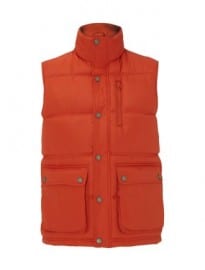
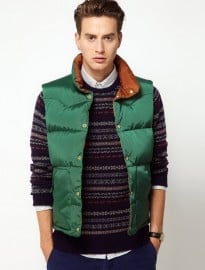
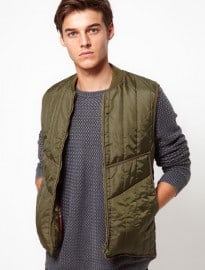
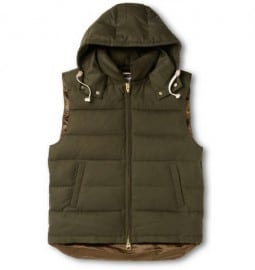
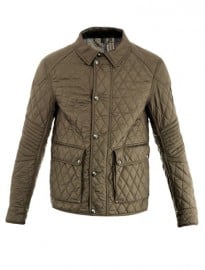
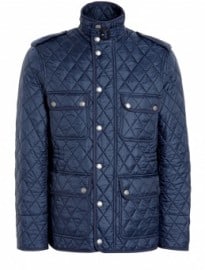
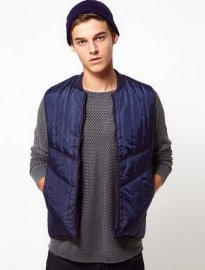
Utilizing insulating pieces, such as lightweight gilets or quilting, underneath your outer layers is an efficient way of keeping yourself warm without adding unnecessary bulk to your outfit or ruining the slim lines you’ve worked hard to create. A dispensable middle layer is also useful for when you get indoors as it can easily be removed and stored away without any hassle.
Experimental and creative layering is something that has been a hot topic within the FashionBeans community recently. As a result, the matter has been covered in two fail-safe articles:

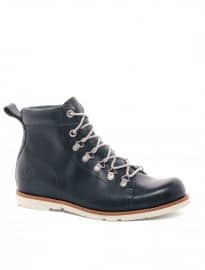
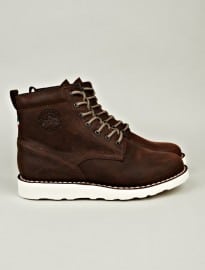
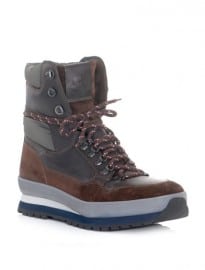
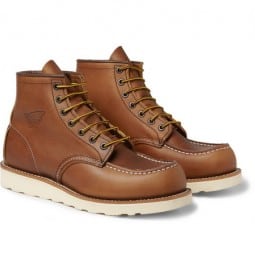
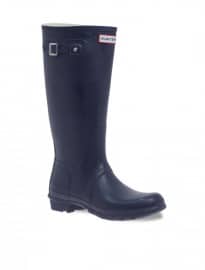
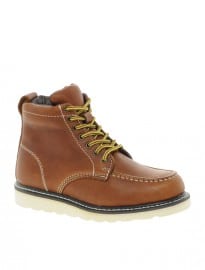
Selecting the correct footwear is vital when it comes to tackling the snow. Not only do you have to be mindful of the treacherous conditions but you also have to consider the cold and the damage weather and/or grit salt can cause to your beloved footwear. To avoid condemning your best brogues to the bin once spring hits, follow these simple rules:
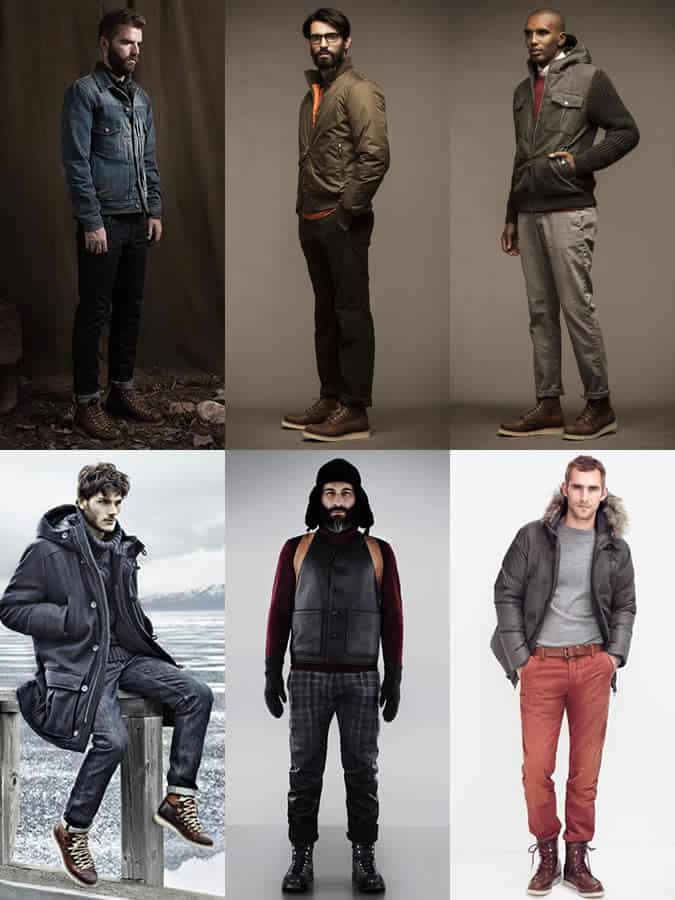
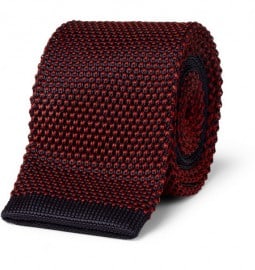
In any weather, accessories help tie an outfit together in both a practical and fashion sense. This becomes even more relevant during the winter season; there’s little point having a warm torso whilst your head and hands are freezing.
The urban myth dictates that you lose most heat from your head. Whilst not strictly true, no one wants to suffer a cruel winter wind to their bare ears. The options available are varied, although you ideally want something that will cover your ears and not be blown off by a winter gust.
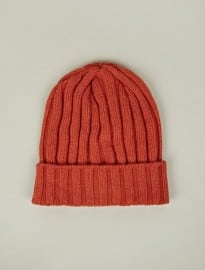
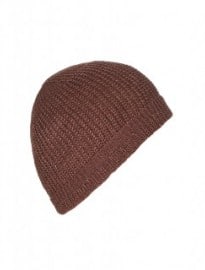
A fitted beanie is your best bet, with neutral versions able to blend seamlessly in with your existing wardrobe. Coloured versions can be utilised as a way of introducing a shot of life into a monochromatic ensemble, especially as you will most likely remove it once you are inside at your destination.
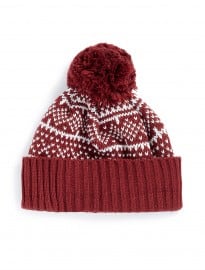
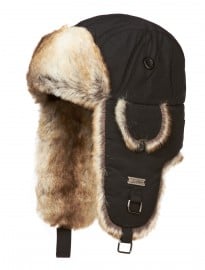
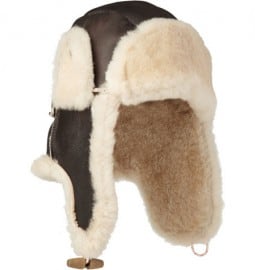
Other weather appropriate styles can include the trapper, flat cap or even the trending bobble hat:


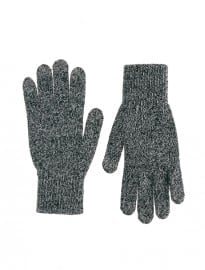
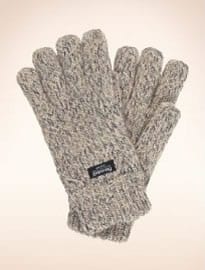
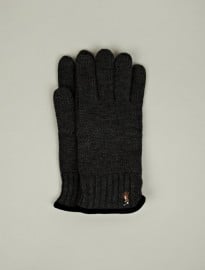
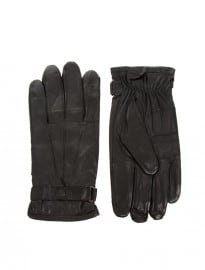
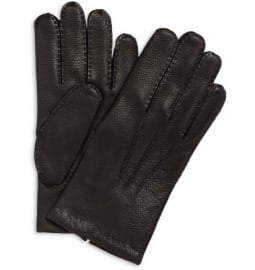
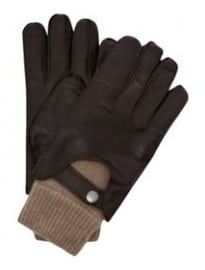
Whilst massive ski-gloves will do wonders for keeping your hands warm, they aren’t the most stylish of options. Stick to knit or, even better, leather. If you’re planning on picking up snow (you big kid), knit is probably the better option considering the salt on the ground may tarnish the leather.
If your budget will stretch, it’s also worth investing in a pair with a cashmere lining for the extra insulation.


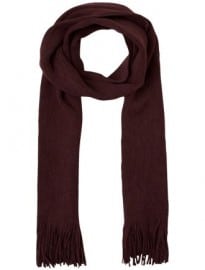
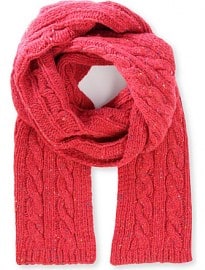
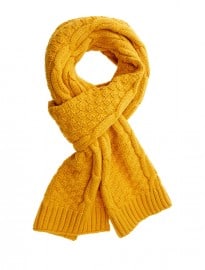
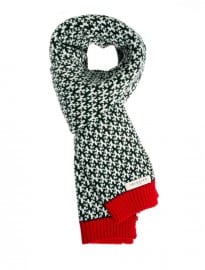
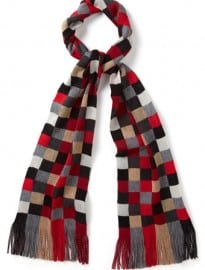
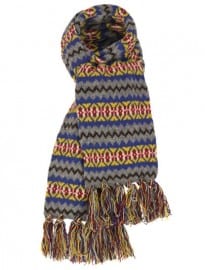
There’s not too much ground breaking to say on the topic of scarves. Treat them as an opportunity to introduce a pop of color or print to an otherwise dull outfit. Equally, make use of more timeless, classic colors if you want to complement your outfit in a more subtle manner.
For a comprehensive overview of scarf types and knots, read our guide to them here.

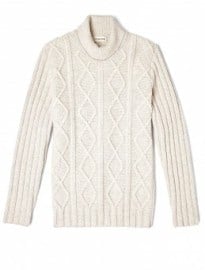
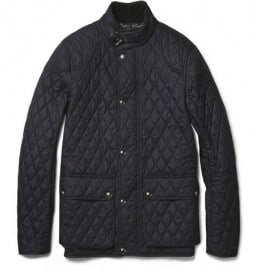
Dress for the snow in a casual manner with a roll neck jumper, quilted jacket and beanie pairing. The burgundy beanie complements the dark navy tone of the jacket, whilst slim/skinny jeans and tan leather hiking boots keep the bottom part of the look as casual as the top.
Finish off with a pair of brown leather gloves that correspond to, but don’t match, the color of the boots.


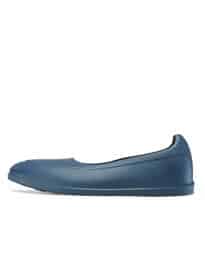
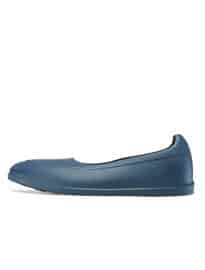
Prepare your office attire for a blizzard. Integrate a quilted gilet underneath your blazer before layering a parka over the top for maximum protection from the elements. With your top half taken care of, protect your office appropriate footwear with a pair of navy galoshes and suitable accessories (a premium umbrella will never look out of place).
With snow hitting both sides of the Atlantic in recent weeks, being able to dress practically – and stylishly – for the most punishing of weather is becoming a necessity.
But now we want to hear your view and personal tips for combating snow:
Let us know in the comments section.

A student and self-confessed fashion fanatic whose articles mainly focus on seasonal topics varying from trends to guides. As well as being a contributing writer at FashionBeans Alex maintains his own blog over at wardrobewarrior.co.uk.
 22 February 2013
 Alex Woodhall
We independently evaluate all recommended products and services. Any products or services put forward appear in no particular order. if you click on links we provide, we may receive compensation.
Snow has quickly become part and parcel of Britain’s late winter climate. Over the last few years, and particularly in recent weeks, wardrobe conditions have worsened as the country is once again blanketed in the white stuff. Despite that we have come to expect it, every time snow season arrives, it still manages to slow the country down and cause as much – if not more – disruption as it did the time before.
The year’s opening months can make it a nightmare when it comes to dressing for an often extreme climate. Most reach for the biggest and warmest clothing they can find, whilst others attempt to style it out, falling short on practicality.
Today we are going to be trying to find a happy – and stylish – medium between the two, breaking down the key considerations you should be making when creating looks designed to brace the chill.
When dressing for dropping temperatures, getting your choice of outerwear right is imperative. There is a vast array of options available for combating extreme weather, and making the right choice – in terms of practicality and polish – is the difference between a great outfit and a poor one.
In terms of warmth, a down-filled parka is one of the finest selections you can make. The military inspired, mod-favored outerwear possesses both the sensibility and sophistication we require, whilst the versatility of the style means it works for both casual and smart looks; pairing as well with tailoring as it does jeans and t-shirt combinations.
Even as the snow clears up, the parka will continue to serve you well for the occasional cold snap and particularly the early morning commute. While we often encourage you to develop well-layered looks, a parka eradicates the necessity of excessive or bulky layers for insulation. The down filling ensures you can battle even the harshest of elements with just your suit underneath, and once removed you will be able to enjoy your commute without feeling hot or uncomfortable.
If putting all of your faith in one piece of outerwear isn’t for you, or you’re aiming for a more creative route to tackling the snow, then carefully curated layering is the way to go.
While layering is a tried and tested method in developing stylish and unique looks, its primary purpose is practicality.
Utilizing insulating pieces, such as lightweight gilets or quilting, underneath your outer layers is an efficient way of keeping yourself warm without adding unnecessary bulk to your outfit or ruining the slim lines you’ve worked hard to create. A dispensable middle layer is also useful for when you get indoors as it can easily be removed and stored away without any hassle.
Experimental and creative layering is something that has been a hot topic within the FashionBeans community recently. As a result, the matter has been covered in two fail-safe articles:
Selecting the correct footwear is vital when it comes to tackling the snow. Not only do you have to be mindful of the treacherous conditions but you also have to consider the cold and the damage weather and/or grit salt can cause to your beloved footwear. To avoid condemning your best brogues to the bin once spring hits, follow these simple rules:
In any weather, accessories help tie an outfit together in both a practical and fashion sense. This becomes even more relevant during the winter season; there’s little point having a warm torso whilst your head and hands are freezing.
The urban myth dictates that you lose most heat from your head. Whilst not strictly true, no one wants to suffer a cruel winter wind to their bare ears. The options available are varied, although you ideally want something that will cover your ears and not be blown off by a winter gust.
A fitted beanie is your best bet, with neutral versions able to blend seamlessly in with your existing wardrobe. Coloured versions can be utilised as a way of introducing a shot of life into a monochromatic ensemble, especially as you will most likely remove it once you are inside at your destination.
Other weather appropriate styles can include the trapper, flat cap or even the trending bobble hat:
Whilst massive ski-gloves will do wonders for keeping your hands warm, they aren’t the most stylish of options. Stick to knit or, even better, leather. If you’re planning on picking up snow (you big kid), knit is probably the better option considering the salt on the ground may tarnish the leather.
If your budget will stretch, it’s also worth investing in a pair with a cashmere lining for the extra insulation.
There’s not too much ground breaking to say on the topic of scarves. Treat them as an opportunity to introduce a pop of color or print to an otherwise dull outfit. Equally, make use of more timeless, classic colors if you want to complement your outfit in a more subtle manner.
For a comprehensive overview of scarf types and knots, read our guide to them here.
Dress for the snow in a casual manner with a roll neck jumper, quilted jacket and beanie pairing. The burgundy beanie complements the dark navy tone of the jacket, whilst slim/skinny jeans and tan leather hiking boots keep the bottom part of the look as casual as the top.
Finish off with a pair of brown leather gloves that correspond to, but don’t match, the color of the boots.
Prepare your office attire for a blizzard. Integrate a quilted gilet underneath your blazer before layering a parka over the top for maximum protection from the elements. With your top half taken care of, protect your office appropriate footwear with a pair of navy galoshes and suitable accessories (a premium umbrella will never look out of place).
With snow hitting both sides of the Atlantic in recent weeks, being able to dress practically – and stylishly – for the most punishing of weather is becoming a necessity.
But now we want to hear your view and personal tips for combating snow:
Let us know in the comments section.
A student and self-confessed fashion fanatic whose articles mainly focus on seasonal topics varying from trends to guides. As well as being a contributing writer at FashionBeans Alex maintains his own blog over at wardrobewarrior.co.uk.


Get the latest Men's Style Advice, Evergreen Guides, Shopping Tips, and Exclusive Deals From Today's Top Brands.
We respect your privacy. We won't spam you.
Get the latest Men's Style Advice, Evergreen Guides, Shopping Tips, and Exclusive Deals From Today's Top Brands.
We respect your privacy. We won't spam you.
