


Get On The List
Get the latest Men's Style Advice, Evergreen Guides, Shopping Tips, and Exclusive Deals From Today's Top Brands.

 07 October 2015
 Luke Sampson
We independently evaluate all recommended products and services. Any products or services put forward appear in no particular order. if you click on links we provide, we may receive compensation.
Now that we’re far enough into autumn to retire the air con and start cranking up the radiator, it’s time to begin tweaking your tailoring. Just as your shorts and tees need to be retired for a couple of seasons, your warm-weather suiting could do with spending some time in hibernation too.
But what are the fabrics, colours and styles that you should be investing in for the autumn and winter months ahead? Consider this your indispensable companion for smart suit selection.
Before you start buying up the latest trends in men’s tailoring, it’s good to take it back to basics. Which means paying due attention to the stuff your suits are made from.
No matter how natty your preferred style may look on a well put-together A-Lister, if you fail to consider fabric weight you’ll constantly be left reaching for extra layers to keep out the cold.
So then, it’s important to opt for a heavier cloth as your first line of defence against the shivers. That means it’s out with lightweight cotton, mohair and linen, and in with flannel and wool. Yes, there is a confusingly large range of fabric weights on offer (more on that later), but turning your attention to flannel and wool should be your top priority when the mercury begins to plummet.
Why wool and flannel? Well, if you’re constantly plagued by the biting cold come wintertime, it could be because your tailoring collection lacks these two sturdy fabrics. As heavier materials, both offer optimal insulation when temperatures take a tumble. What’s more, they’ll guarantee a hardier wear than lighter fabrics and are less prone to those annoyingly persistent creases and wrinkles that consistently crop up on fair-weather cotton and linen designs.
If you want to be even more select in choosing your seasonal suiting, ask for fabric weight options when comparing styles. As any tailoring aficionado will already know, a suit’s cloth is usually weighed in ounces, sometimes in grams, with the weight determined by how heavy a single yard of the material in question is.
So, what’s the magic number for fabric weight that you should be looking at? Generally speaking, 12-ounces will suffice for the onset of autumn, while 16-ounces will serve you well during winter’s chilliest days – but a fabric that lands anywhere within this range should be ideal for the cooler months.
If, like many men, your budget can’t stretch to cover each and every season, you can still shop smart by selecting a mid-weight wool suit (12-ounces or so), which will serve you well from summer to winter with some shrewd styling and the addition or removal of layers as necessary.
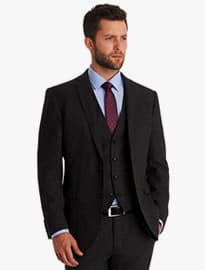
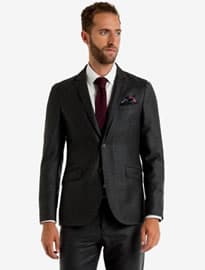
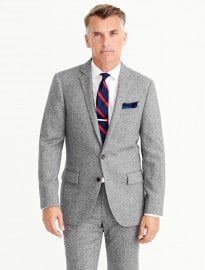
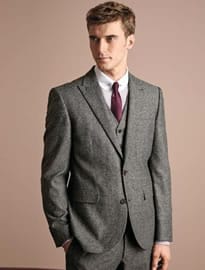
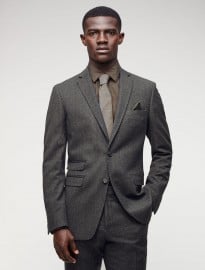
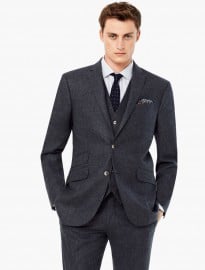
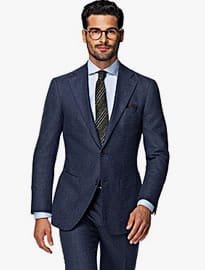
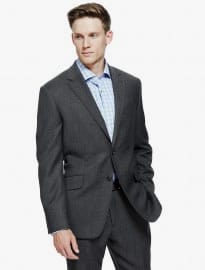
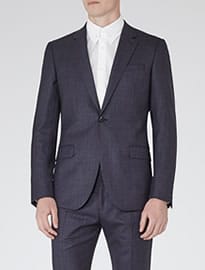
Now you know what to look out for when it comes to buying a suit that performs, what about finding one that looks good too?
Just as lighter colours sit well on lighter cloths, richer, darker shades are always king for autumn and winter’s heavier tailoring. While charcoal grey, navy and black won’t give you the peacocking powers of pastels, they will offer you the most versatility.
This is especially important to bear in mind if you’re only buying one suit – you’ll need it to take you from boardroom to bar with minimal fuss.
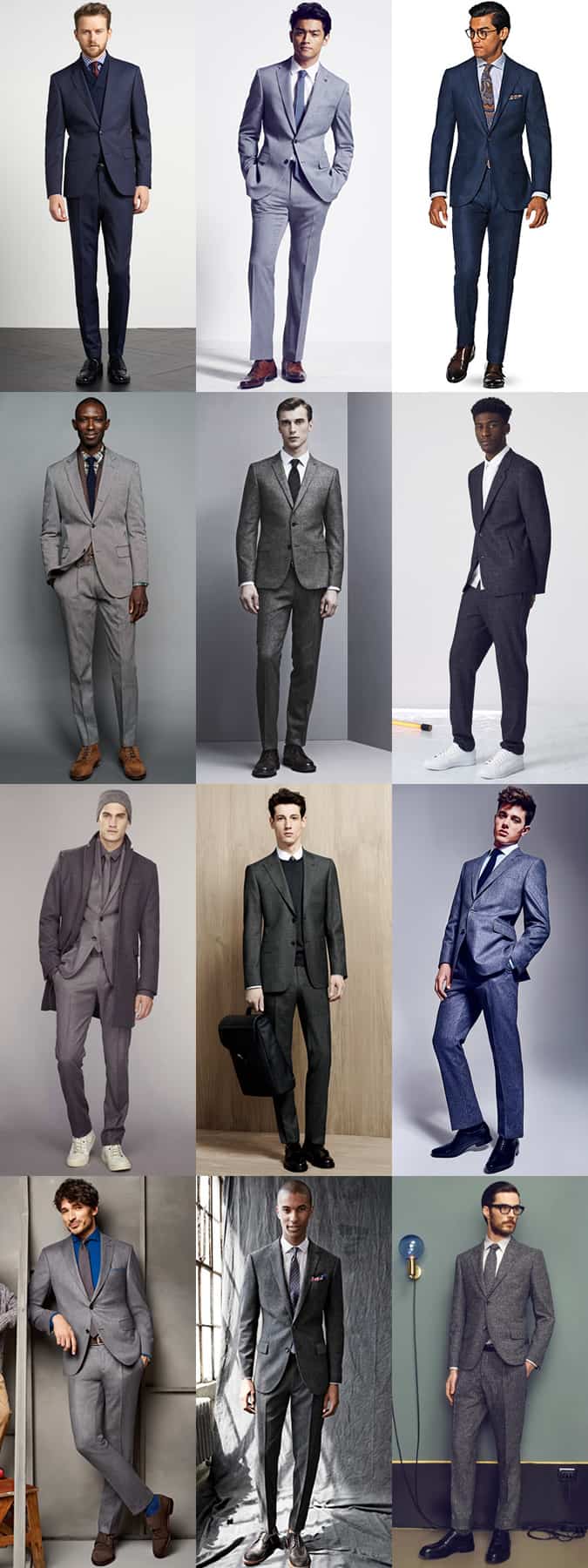
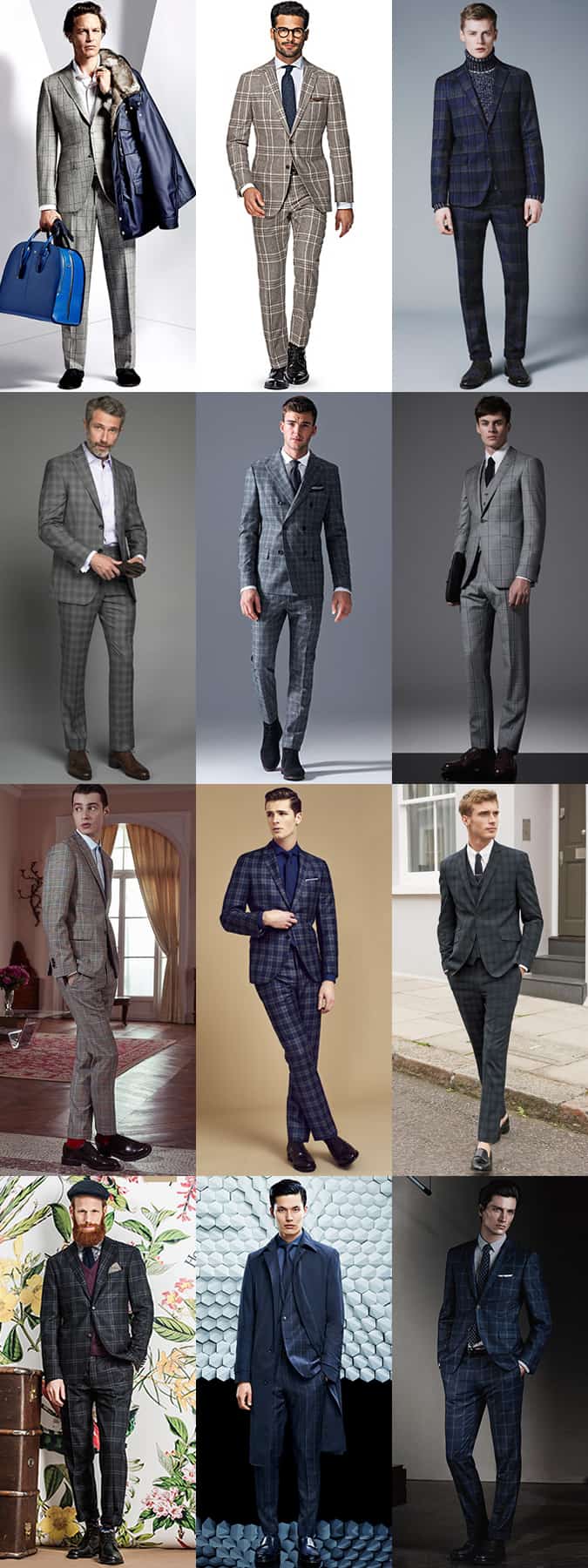
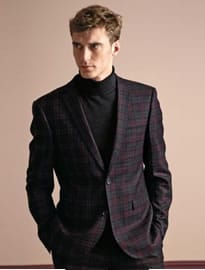
Want to be seasonally appropriate but give your look a bit of a lift? Suits in darker colours and heavier cloths lend themselves well to subtle micro patterns. However, that’s not to say that larger scale statement motifs are out of the question.
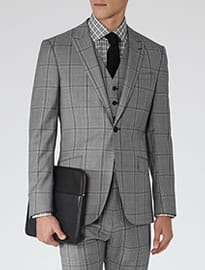
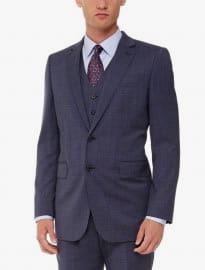
This season’s wisest way to wear pattern is in the form of checks – from the unabashedly bold to the barely-there – so try a muted Glen plaid or gingham for a point of difference, or lean towards a full-on Prince of Wales or windowpane check to make your statement loud and clear.
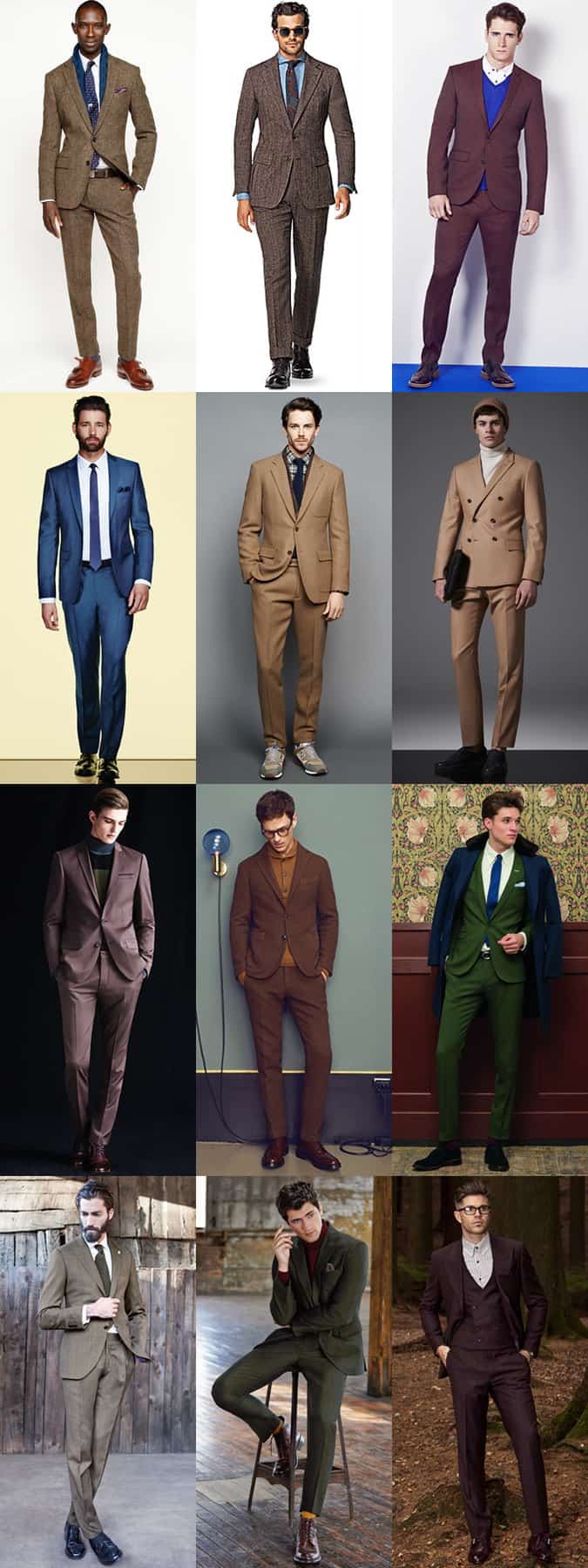
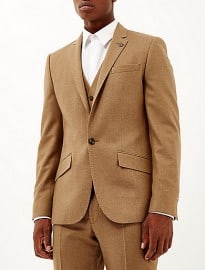
If neither pattern nor darker neutrals make your tailoring hit list, then choose from several more exciting colourways instead. Take your cue from autumn’s palette by opting for earthy shades of green and rustic brown (think tweed), or tap into menswear’s preoccupation for all things camel with a blazer rendered in this on-trend hue.
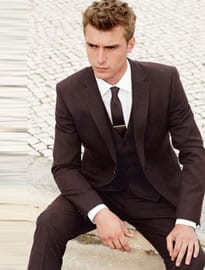
Feeling even braver? A burgundy suit should be the adventurous man’s first port of call.
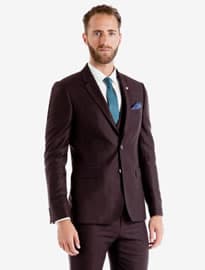
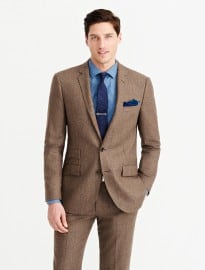
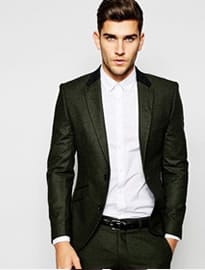
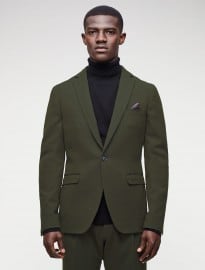
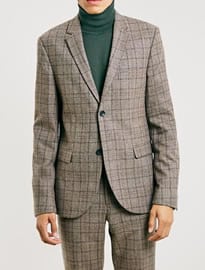
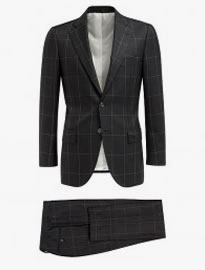
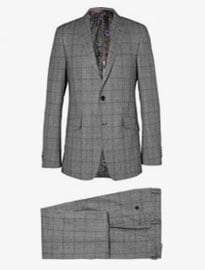
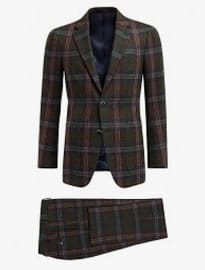
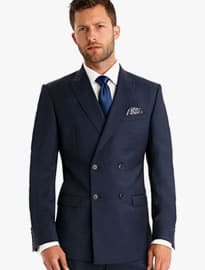
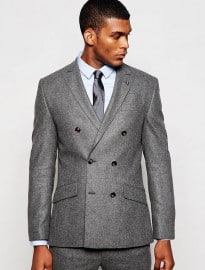
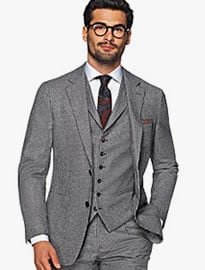
Whereas warm-weather suiting is all about maximising breathability and minimising layers, the relative chill of the autumn/winter season means you don’t need to sacrifice top-notch style to stop yourself sweating. Suddenly a three-piece double-breasted suit becomes wearable, and it won’t leave you red-faced and wiping your brow every couple of seconds either.
Still, advice on cuts and styles remains evergreen: “Choose a suit that flatters your shape,” says Alex McCart, menswear buyer at Reiss. “Double-breasted is a good choice for tall, slim men, while single-breasted is a classic all-rounder.”
What’s more, a classic single- or double-breasted jacket in a darker neutral can be worn both on- or off-duty by simply swapping out a shirt and tie in favour of fine knitwear.
If you want to cut a contemporary silhouette, make sure your suit’s fit leans more towards slim than it does classic; steer toward the latter if you’re a tailoring traditionalist. There’s one crucial thing to bear in mind here though: during the colder months your suit will need to accommodate extra layers, so it’s worth taking your tailoring slightly larger.

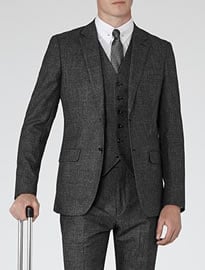
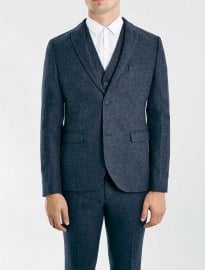
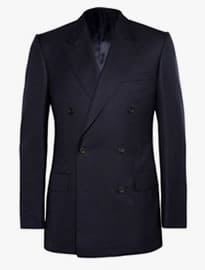
![Charcoal Yorkshire Worsted Slim Fit Luxury Suit]](https://www.fashionbeans.com/wp-content/uploads/2021/07/EBA20CHA-fb7736.jpg)
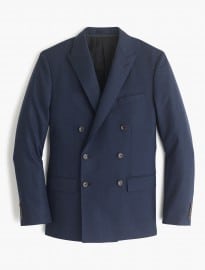
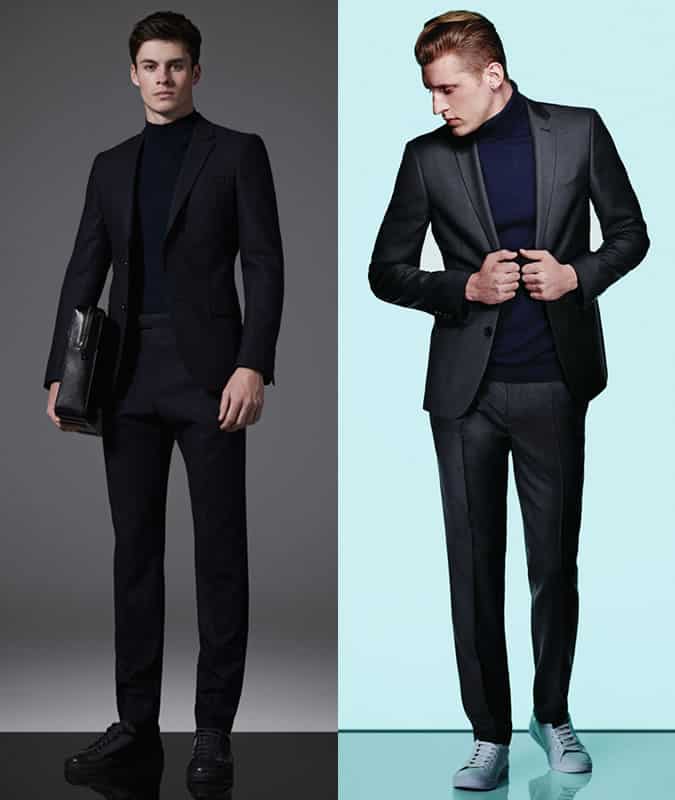
With cold weather comes plenty of styling opportunities, since you’ll need to layer up to stave off the nipping winds. Right now, a classic roll neck and a pair of minimal leather trainers will make on-trend additions to fine tailoring, adding a contemporary edge.
Prefer to keep things a little more classic? Throw a fine wool overcoat over your tailoring and round off your look with a pair of Oxfords, Derbies or monk-straps in black, brown or oxblood.
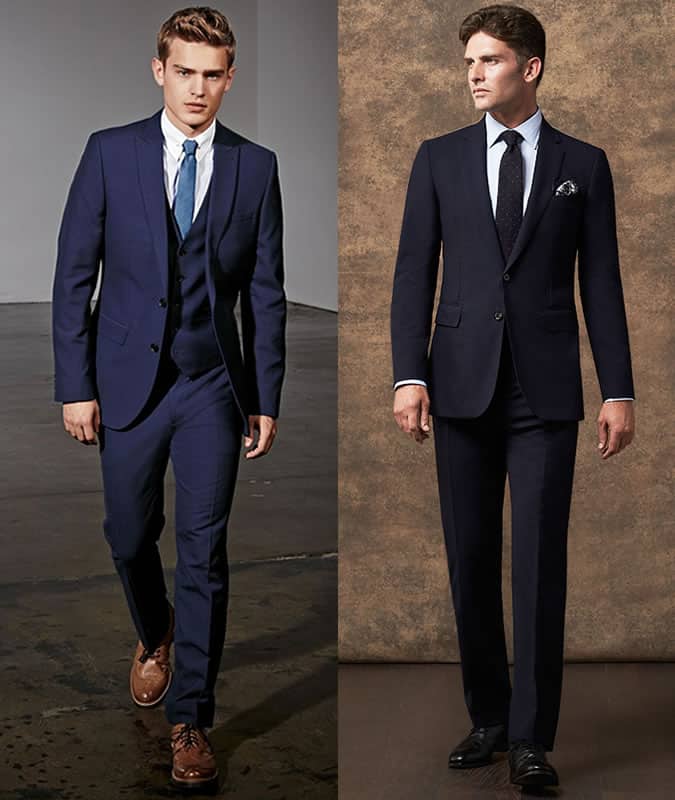
“Make sure to wear the right shoes,” reiterates McCart. “A tan pair will look great with a navy suit, whereas a classic pair of black brogues will go with anything.”
A suit can be just as seasonal as any other wardrobe staple. Chosen wisely, yours will not only make a good impression, but it’ll keep frostbite at bay too.
Do you switch up your suiting for the season at hand or do you favour a one-size-fits-all approach? Which tailoring trends are at the top of your wishlist for AW15?
Let us know by commenting below.

 07 October 2015
 Luke Sampson
We independently evaluate all recommended products and services. Any products or services put forward appear in no particular order. if you click on links we provide, we may receive compensation.
Now that we’re far enough into autumn to retire the air con and start cranking up the radiator, it’s time to begin tweaking your tailoring. Just as your shorts and tees need to be retired for a couple of seasons, your warm-weather suiting could do with spending some time in hibernation too.
But what are the fabrics, colours and styles that you should be investing in for the autumn and winter months ahead? Consider this your indispensable companion for smart suit selection.
Before you start buying up the latest trends in men’s tailoring, it’s good to take it back to basics. Which means paying due attention to the stuff your suits are made from.
No matter how natty your preferred style may look on a well put-together A-Lister, if you fail to consider fabric weight you’ll constantly be left reaching for extra layers to keep out the cold.
So then, it’s important to opt for a heavier cloth as your first line of defence against the shivers. That means it’s out with lightweight cotton, mohair and linen, and in with flannel and wool. Yes, there is a confusingly large range of fabric weights on offer (more on that later), but turning your attention to flannel and wool should be your top priority when the mercury begins to plummet.
Why wool and flannel? Well, if you’re constantly plagued by the biting cold come wintertime, it could be because your tailoring collection lacks these two sturdy fabrics. As heavier materials, both offer optimal insulation when temperatures take a tumble. What’s more, they’ll guarantee a hardier wear than lighter fabrics and are less prone to those annoyingly persistent creases and wrinkles that consistently crop up on fair-weather cotton and linen designs.
If you want to be even more select in choosing your seasonal suiting, ask for fabric weight options when comparing styles. As any tailoring aficionado will already know, a suit’s cloth is usually weighed in ounces, sometimes in grams, with the weight determined by how heavy a single yard of the material in question is.
So, what’s the magic number for fabric weight that you should be looking at? Generally speaking, 12-ounces will suffice for the onset of autumn, while 16-ounces will serve you well during winter’s chilliest days – but a fabric that lands anywhere within this range should be ideal for the cooler months.
If, like many men, your budget can’t stretch to cover each and every season, you can still shop smart by selecting a mid-weight wool suit (12-ounces or so), which will serve you well from summer to winter with some shrewd styling and the addition or removal of layers as necessary.
Now you know what to look out for when it comes to buying a suit that performs, what about finding one that looks good too?
Just as lighter colours sit well on lighter cloths, richer, darker shades are always king for autumn and winter’s heavier tailoring. While charcoal grey, navy and black won’t give you the peacocking powers of pastels, they will offer you the most versatility.
This is especially important to bear in mind if you’re only buying one suit – you’ll need it to take you from boardroom to bar with minimal fuss.
Want to be seasonally appropriate but give your look a bit of a lift? Suits in darker colours and heavier cloths lend themselves well to subtle micro patterns. However, that’s not to say that larger scale statement motifs are out of the question.
This season’s wisest way to wear pattern is in the form of checks – from the unabashedly bold to the barely-there – so try a muted Glen plaid or gingham for a point of difference, or lean towards a full-on Prince of Wales or windowpane check to make your statement loud and clear.
If neither pattern nor darker neutrals make your tailoring hit list, then choose from several more exciting colourways instead. Take your cue from autumn’s palette by opting for earthy shades of green and rustic brown (think tweed), or tap into menswear’s preoccupation for all things camel with a blazer rendered in this on-trend hue.
Feeling even braver? A burgundy suit should be the adventurous man’s first port of call.
Whereas warm-weather suiting is all about maximising breathability and minimising layers, the relative chill of the autumn/winter season means you don’t need to sacrifice top-notch style to stop yourself sweating. Suddenly a three-piece double-breasted suit becomes wearable, and it won’t leave you red-faced and wiping your brow every couple of seconds either.
Still, advice on cuts and styles remains evergreen: “Choose a suit that flatters your shape,” says Alex McCart, menswear buyer at Reiss. “Double-breasted is a good choice for tall, slim men, while single-breasted is a classic all-rounder.”
What’s more, a classic single- or double-breasted jacket in a darker neutral can be worn both on- or off-duty by simply swapping out a shirt and tie in favour of fine knitwear.
If you want to cut a contemporary silhouette, make sure your suit’s fit leans more towards slim than it does classic; steer toward the latter if you’re a tailoring traditionalist. There’s one crucial thing to bear in mind here though: during the colder months your suit will need to accommodate extra layers, so it’s worth taking your tailoring slightly larger.
With cold weather comes plenty of styling opportunities, since you’ll need to layer up to stave off the nipping winds. Right now, a classic roll neck and a pair of minimal leather trainers will make on-trend additions to fine tailoring, adding a contemporary edge.
Prefer to keep things a little more classic? Throw a fine wool overcoat over your tailoring and round off your look with a pair of Oxfords, Derbies or monk-straps in black, brown or oxblood.
“Make sure to wear the right shoes,” reiterates McCart. “A tan pair will look great with a navy suit, whereas a classic pair of black brogues will go with anything.”
A suit can be just as seasonal as any other wardrobe staple. Chosen wisely, yours will not only make a good impression, but it’ll keep frostbite at bay too.
Do you switch up your suiting for the season at hand or do you favour a one-size-fits-all approach? Which tailoring trends are at the top of your wishlist for AW15?
Let us know by commenting below.


Get the latest Men's Style Advice, Evergreen Guides, Shopping Tips, and Exclusive Deals From Today's Top Brands.
We respect your privacy. We won't spam you.
Get the latest Men's Style Advice, Evergreen Guides, Shopping Tips, and Exclusive Deals From Today's Top Brands.
We respect your privacy. We won't spam you.
