


Get On The List
Get the latest Men's Style Advice, Evergreen Guides, Shopping Tips, and Exclusive Deals From Today's Top Brands.

 01 December 2011
 Remi Clary
We independently evaluate all recommended products and services. Any products or services put forward appear in no particular order. if you click on links we provide, we may receive compensation.
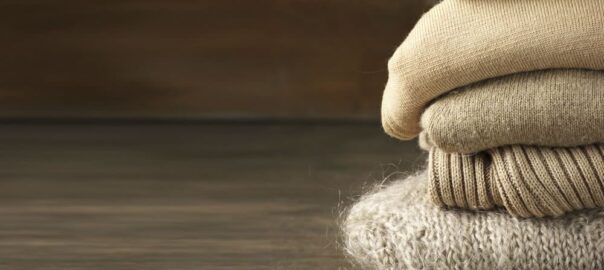
Knitwear is a winter essential for men, not only for staying warm but also for its use in layering and creating great outfits. As time goes by, you may notice that the number of knitwear pieces in your wardrobe increases; good quality knitwear is becoming more and more accessible for all budgets, and most will be striving to develop a timeless capsule wardrobe that can be reused each and every year.
Knitwear is now available literally everywhere – whether we are talking an every level £19 Uniqlo merino wool cardigan, or a £500+
Washing knitwear properly is not just about saving your money but also concerns the upkeep of your carefully crafted image. Washing your knitwear incorrectly can cause it to lose shape, shrink or bobble – all of which is going to affect your overall ‘look’ negatively. We should all be aware that knitwear shouldn’t be washed as frequently because it will lose shape, but that doesn’t mean that you let your jumpers smell like dead meat. It doesn’t matter if it’s a Ralph Lauren or a Hugo Boss – if it’s filled with smoke and dust, it will become a style killer.
Knitwear always brings you an intrinsic feeling of softness, comfort, and warmth. Washing knitwear correctly will multiply this feeling by helping you get even more wear out of each piece – ensuring its longevity, and making it worth every penny.
There are several things you should have beforehand.
Sheep’s wool is the most popular type of wool. It is used for various types of garments: from suits and dresses to sweaters and coats. Sheep wool has amazing properties for winter wear – a low rate of heat release and it absorbs moisture readily.
Wool can be wrinkled, twisted or stretched and recovers its natural shape rapidly due to its elasticity. It is also very strong. Believe it or not, it’s comparatively stronger than steel. However, it doesn’t mean that you can do whatever you want with your V-neck sweater. When it comes to clothing, it needs to be taken care of.
There are many types of sheep’s wool: Shetland, Melton, Lambswool, Merino, etc. In this article, I will focus on the most popular forms of clothing today: Lambswool and Merino.
Merino has the highest warmth to weight ratio. It is known for extreme softness, superior shine and great breathability. It also has an extremely beneficial property in that it is naturally resistant to odours.
Remember: Never put a fine wool garment into a dryer/tumble dryer.
Sometimes you can use a washing machine for merino items (ALWAYS check the label first). In general, I would recommend you only wash hats, scarves and gloves by this method. This is just in case something goes wrong – you wouldn’t end up losing a lot of money and it is easier to replace a scarf than it is your ‘favourite’ cable knit jumper. The thing to bear in mind at all times is that they are “machine washable”; this basically means you can use the machine but there is always a risk.
Remember to use a gentle cycle or cycle for knits (depends on your machine) because a regular cycle can cause the garment to shrink. Choosing the right temperature will also help, usually 30 degrees. (In some machines, “30 degrees” has a yarn ball symbol right next to it.)
Choose a milder soap made especially for this purpose. Look for a soap with a neutral, not high pH.
If you don’t want to get involved with the whole process above, send your merino to the dry cleaner. Most merino wool apparel can be cleaned by a dry cleaner. However, you should be cautious because the frequent use of harsh chemicals can negatively affect the fabric.
Lambswool is the highest quality sheep’s wool on the market. It is taken from sheep at their first shearing (when the sheep is about 7 months old), and lambswool is naturally supremely soft, smooth and elastic.
Besides Sheep’s wool, it would be sacrilege for a menswear site to not mention Cashmere – the extremely soft, luxury fabric made from the hair of the Kashmir goat.
Cashmere is actually the wool that grows beneath the goat’s coarser outer. It protects the goat from harsh winter weather and only a very limited amount of cashmere can be harvested each year. That’s why it’s considered a luxury fabric.
Although it has the amazing properties of luxury fabric, cashmere is actually very sensitive. It’s not known for its durability. Again:
Spending the time and effort hand washing your knitwear might not be very desirable for most men, especially when your schedule is tight. But as you can see, the sensitivity and value of knitwear is worth your time. Moreover, it’s unlikely that you will have to wash your knitwear once every week, so why not dedicate a couple of hours (or a morning) one weekend to wash multiple items in one sitting?
It’s actually recommended you wash your sweaters just once or twice every season in order to maintain their shape and resilience. If that still doesn’t motivate you to take greater care of the MONEY YOU have invested then consider the benefits: Properly washed knitwear can last multiple years, keep your personal style looking its very best at all times and contribute to you developing a timeless capsule wardrobe.

 01 December 2011
 Remi Clary
We independently evaluate all recommended products and services. Any products or services put forward appear in no particular order. if you click on links we provide, we may receive compensation.
Knitwear is a winter essential for men, not only for staying warm but also for its use in layering and creating great outfits. As time goes by, you may notice that the number of knitwear pieces in your wardrobe increases; good quality knitwear is becoming more and more accessible for all budgets, and most will be striving to develop a timeless capsule wardrobe that can be reused each and every year.
Knitwear is now available literally everywhere – whether we are talking an every level £19 Uniqlo merino wool cardigan, or a £500+
Washing knitwear properly is not just about saving your money but also concerns the upkeep of your carefully crafted image. Washing your knitwear incorrectly can cause it to lose shape, shrink or bobble – all of which is going to affect your overall ‘look’ negatively. We should all be aware that knitwear shouldn’t be washed as frequently because it will lose shape, but that doesn’t mean that you let your jumpers smell like dead meat. It doesn’t matter if it’s a Ralph Lauren or a Hugo Boss – if it’s filled with smoke and dust, it will become a style killer.
Knitwear always brings you an intrinsic feeling of softness, comfort, and warmth. Washing knitwear correctly will multiply this feeling by helping you get even more wear out of each piece – ensuring its longevity, and making it worth every penny.
There are several things you should have beforehand.
Sheep’s wool is the most popular type of wool. It is used for various types of garments: from suits and dresses to sweaters and coats. Sheep wool has amazing properties for winter wear – a low rate of heat release and it absorbs moisture readily.
Wool can be wrinkled, twisted or stretched and recovers its natural shape rapidly due to its elasticity. It is also very strong. Believe it or not, it’s comparatively stronger than steel. However, it doesn’t mean that you can do whatever you want with your V-neck sweater. When it comes to clothing, it needs to be taken care of.
There are many types of sheep’s wool: Shetland, Melton, Lambswool, Merino, etc. In this article, I will focus on the most popular forms of clothing today: Lambswool and Merino.
Merino has the highest warmth to weight ratio. It is known for extreme softness, superior shine and great breathability. It also has an extremely beneficial property in that it is naturally resistant to odours.
Remember: Never put a fine wool garment into a dryer/tumble dryer.
Sometimes you can use a washing machine for merino items (ALWAYS check the label first). In general, I would recommend you only wash hats, scarves and gloves by this method. This is just in case something goes wrong – you wouldn’t end up losing a lot of money and it is easier to replace a scarf than it is your ‘favourite’ cable knit jumper. The thing to bear in mind at all times is that they are “machine washable”; this basically means you can use the machine but there is always a risk.
Remember to use a gentle cycle or cycle for knits (depends on your machine) because a regular cycle can cause the garment to shrink. Choosing the right temperature will also help, usually 30 degrees. (In some machines, “30 degrees” has a yarn ball symbol right next to it.)
Choose a milder soap made especially for this purpose. Look for a soap with a neutral, not high pH.
If you don’t want to get involved with the whole process above, send your merino to the dry cleaner. Most merino wool apparel can be cleaned by a dry cleaner. However, you should be cautious because the frequent use of harsh chemicals can negatively affect the fabric.
Lambswool is the highest quality sheep’s wool on the market. It is taken from sheep at their first shearing (when the sheep is about 7 months old), and lambswool is naturally supremely soft, smooth and elastic.
Besides Sheep’s wool, it would be sacrilege for a menswear site to not mention Cashmere – the extremely soft, luxury fabric made from the hair of the Kashmir goat.
Cashmere is actually the wool that grows beneath the goat’s coarser outer. It protects the goat from harsh winter weather and only a very limited amount of cashmere can be harvested each year. That’s why it’s considered a luxury fabric.
Although it has the amazing properties of luxury fabric, cashmere is actually very sensitive. It’s not known for its durability. Again:
Spending the time and effort hand washing your knitwear might not be very desirable for most men, especially when your schedule is tight. But as you can see, the sensitivity and value of knitwear is worth your time. Moreover, it’s unlikely that you will have to wash your knitwear once every week, so why not dedicate a couple of hours (or a morning) one weekend to wash multiple items in one sitting?
It’s actually recommended you wash your sweaters just once or twice every season in order to maintain their shape and resilience. If that still doesn’t motivate you to take greater care of the MONEY YOU have invested then consider the benefits: Properly washed knitwear can last multiple years, keep your personal style looking its very best at all times and contribute to you developing a timeless capsule wardrobe.


Get the latest Men's Style Advice, Evergreen Guides, Shopping Tips, and Exclusive Deals From Today's Top Brands.
We respect your privacy. We won't spam you.
Get the latest Men's Style Advice, Evergreen Guides, Shopping Tips, and Exclusive Deals From Today's Top Brands.
We respect your privacy. We won't spam you.
