


Get On The List
Get the latest Men's Style Advice, Evergreen Guides, Shopping Tips, and Exclusive Deals From Today's Top Brands.

 27 November 2013
 Shane C. Kurup
We independently evaluate all recommended products and services. Any products or services put forward appear in no particular order. if you click on links we provide, we may receive compensation.
Tuxedo, dinner suit, black tie, cravat noir… Call it what you will, this formal code of dress is probably the smartest ensemble most modern men are expected to don during their sartorial career. With a lack of regular occasions to wear black tie nowadays, many younger gents may be unfamiliar with the art of effectively executing the look. In the United Kingdom, the tailored component of a black tie ensemble is known as a dinner suit. The name is self-explanatory; it was your uniform at the dinner table, and evolved as a more casual alternative to white tie (tailcoats and all). Black tie was exclusively an evening dress code, and remains so. Six o’clock or when darkness fell (whichever occurred first) was your cue to don your dinner suit. We’re all familiar with the look of a tuxedo (US vernacular) from black and white films, but how do you put this look together and what are the finer details of its component parts? With party season upon us, we examine how today’s gent can approach this distinct area of formal wear, and how this traditional form of dress has evolved to cement its place in the menswear wardrobe of today…
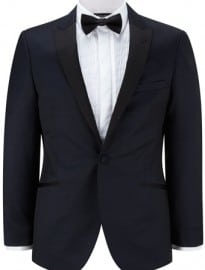
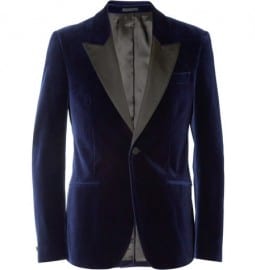
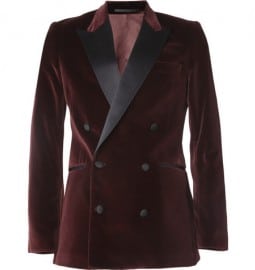
The first item to begin with is the jacket. This should be made from pure wool and is traditionally jet-black. Midnight blue also looks rather fetching and is ideal for gents who are more inclined to make a statement; this tone appears ‘blacker than black’ under artificial light, and was particularly favoured by the always dapper Duke of Windsor in the thirties. Burgundy has also made a return to the black tie sphere, with a number of design-led brands utilising the rich shade in recent collections, including Swedish label Acne and British stalwart
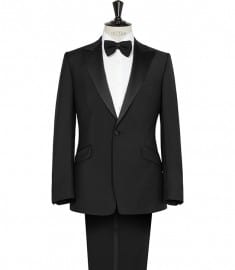
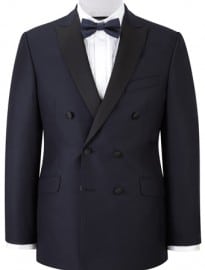
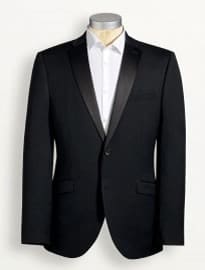
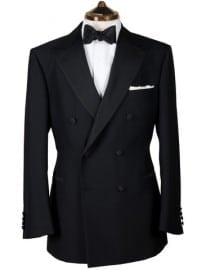
The most common dinner jacket in use today is the black, single-breasted variety, finished with satin lapels. Double-breasted, first made popular in the twenties and thirties, has begun to make a return to the wardrobe spotlight along with velvet, which made a louche mark on black tie dressing during the 1970s. Both double-breasted and velvet jackets offer a plush alternative to standard black wool single-breasted jackets, and can look refreshingly modern if executed correctly. For gents inclined to pay tribute to tradition, try a jacket with barathea silk lapels instead of standard silk or satin. This matte, textured silk was the traditional material used to finish lapels up until the 1960s, when synthetic satins and lustrous silks began to take precedence. If you really want to go the whole hog on the heritage route, you could also source a pre-1960s dinner jacket, and have a reputable tailor alter it for a more contemporary fit. These should be easily sourced from vintage suppliers in major cities or online.
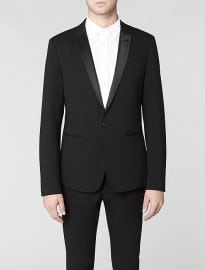
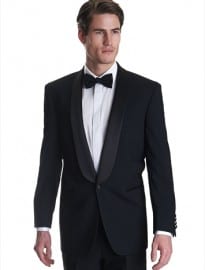
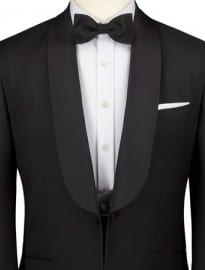
Peak lapels are the most traditional style of collar for dinner jackets. More formal than the everyday notch lapel, it culminates in a high, distinguished point. Shawl collars are also a polished alternative and will make you stand out at a black tie function amongst a sea of peak lapels. Some great labels to explore for dinner jackets include

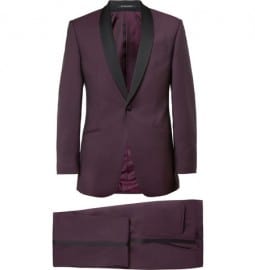
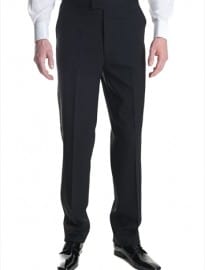
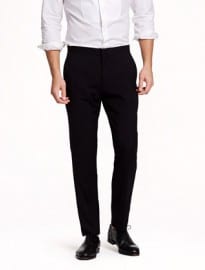
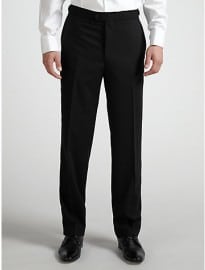
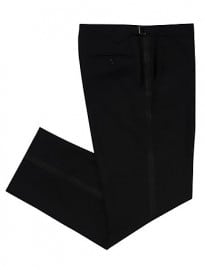
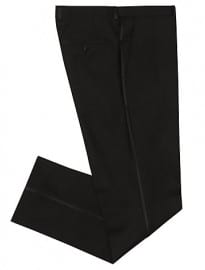
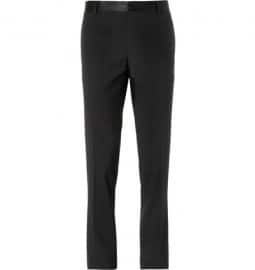
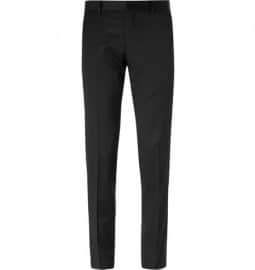
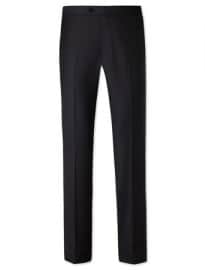
The traditional black tie trouser was high-waisted and crafted from dense barathea wool, with a pleated front and brace buttons to keep the trousers firmly in place during wear. They were finished with a braided grosgrain stripe at the sides, which had more of a matte finish than the lustrous satin stripes seen on modern black tie trousers. The fit was also much wider than the trousers of today, to aid freedom of movement for men expected to break out the dance moves after dinner. Whilst this style of trouser has largely fallen out of favour, there are labels that produce styles very close to this traditional design, updated with a slightly slimmer cut. The high-waisted trouser is particularly useful if you wish to include a waistcoat in your outfit, as the untidy waistband of the trousers will sit neatly concealed behind the waistcoat. For those of a more contemporary mindset, the slim-leg dinner trouser is a popular option. The only resemblance these trousers have to the traditional high-waisted style is the silk or satin stripe running down the sides. Some brands even incorporate a silk waistband into their designs, which is intended to bring a clean finish to the look in the absence of a cummerbund, which many men choose to forgo nowadays. Trousers should always be black and crafted from a wool-rich cloth. Velvet and other fabrics should be avoided for leg wear as they will cheapen and befuddle the clean-cut feel of a black tie ensemble. The labels suggested for jackets are also good ports of call for trousers, as your entire dinner suit should be bought from the same designer to ensure consistency in terms of colour, fabric and cut:

Without a doubt, if there’s one vital wardrobe feat a man should achieve in his lifetime, it’s mastering the art of tying a bow tie. There’s been a recent shift in reviving this once commonplace skill, with more designers producing self-tie bows each season. Self-tie bows make for a far nattier finish, due to their organic, jaunty shape in contrast to clip-ons, which look just a little too neat.
Style savants MR PORTER have produced a stunning and easy to follow guide to tying a bow tie for their industry acclaimed Journal publication. Below you can find the images and instructions you need, but we wholeheartedly recommend you check out the editorial here, as it is packed full of additional tips and tricks:
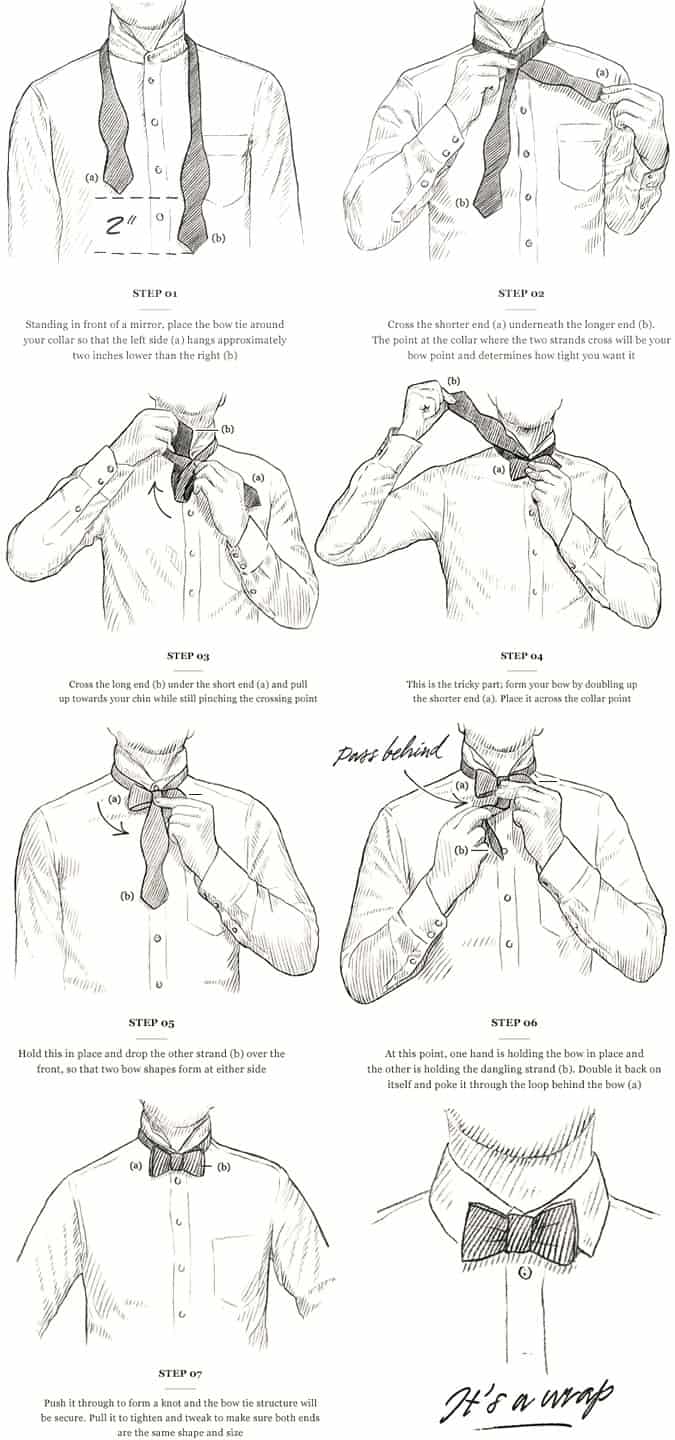 Illustrations by Ms Anje Jager for Mr Porter’s Journal
Getting hold of a self-tier is not an issue, but lacking the knowledge to fasten it may prove a problem. If you find you’re all fingers and thumbs with the diagram above, try this quick one-minute video:
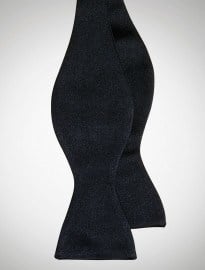
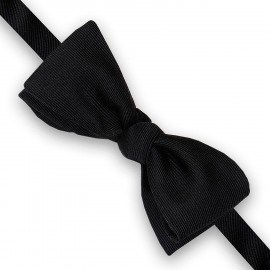
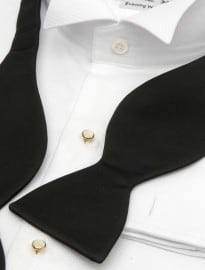
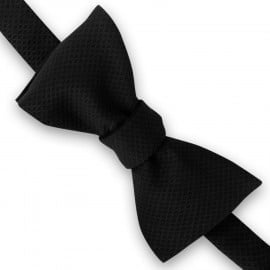
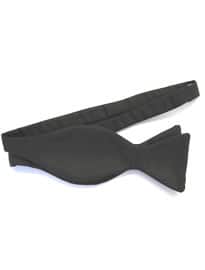
For black tie, as the name suggests, your bow tie should be jet-black. Barathea silk, previously discussed in the jackets section, was also used for bow ties before shiny silks took over, and this matte-finish material will lend a more traditional, sharper finish to your ensemble. Readily available from specialist formal wear brands, they cost a little more than standard silk bow ties, but are worth the extra pennies. For a super-louche alternative, velvet bow ties are also an option ? just make sure if you take this route that your blazer isn’t velvet as well, otherwise you run the risk of looking like a 1970s game show host. Some great brands to try for bow ties include Hilditch and Key, Drakes, Marwood London, Ralph Lauren, Austin Reed, Duchamp and Darcy Clothing:

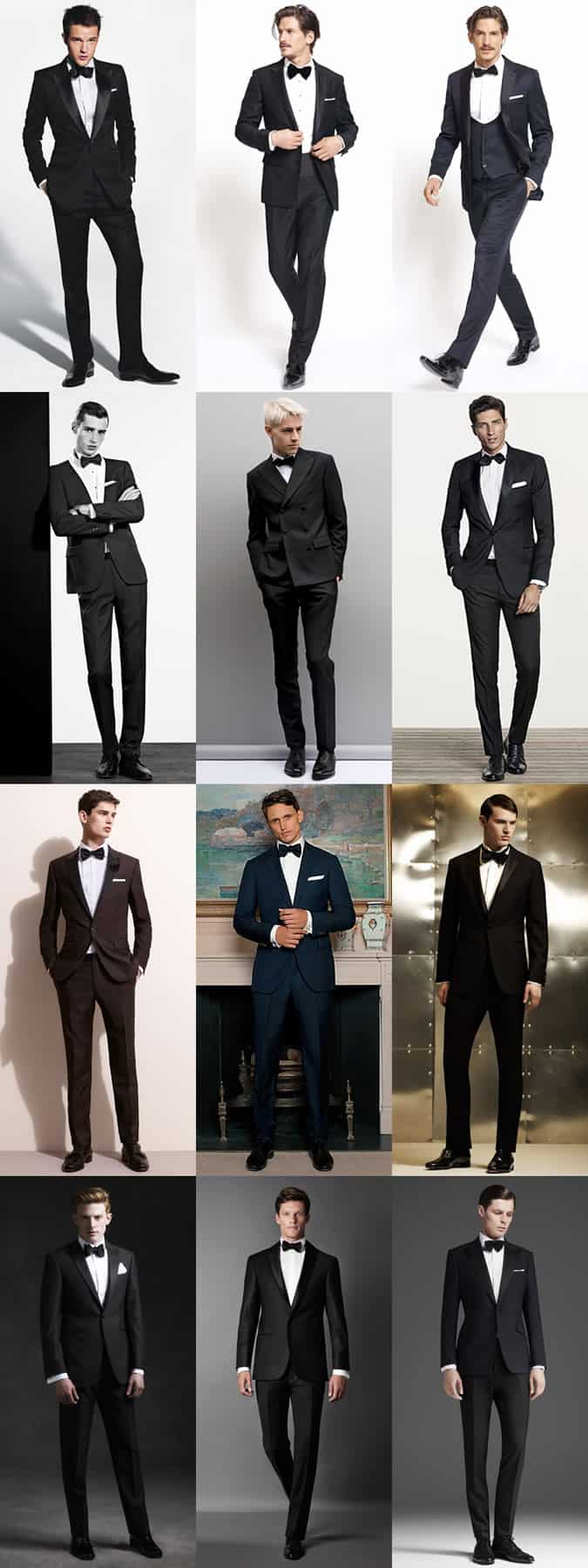
Here we have curated a selection of traditional black tie ensembles, consisting of a dinner suit, white shirt and bow tie. These would all be appropriate for the majority of black tie events:
Below you will find some more contemporary or unconventional takes on black tie. Whether it is through choice of dinner suit colour, shoe style, detailing, shirt type or even the removal of the bow tie, designers are continuing to push boundaries and trying to rewrite the rules of this previously strict dress code. It should be said that purists will look upon the majority of these outfits with contempt and they are NOT suitable for true formal events – it is up to you to adjust to the scenario and occasion. However, as you will see in part two of this guide, there is often no need to try so hard – concentrating on quality, fit and your finishing touches will ensure you effortlessly stand out from the crowd:

That’s your tailoring and neck wear sorted; in part two we’ll be examining the remaining components of black tie, including the all-important shirt and accessories to infuse a final touch of polish. Additionally, we’ll also have some tasty beverages for you to consider sampling at your next black tie occasion.

 27 November 2013
 Shane C. Kurup
We independently evaluate all recommended products and services. Any products or services put forward appear in no particular order. if you click on links we provide, we may receive compensation.
Tuxedo, dinner suit, black tie, cravat noir… Call it what you will, this formal code of dress is probably the smartest ensemble most modern men are expected to don during their sartorial career. With a lack of regular occasions to wear black tie nowadays, many younger gents may be unfamiliar with the art of effectively executing the look. In the United Kingdom, the tailored component of a black tie ensemble is known as a dinner suit. The name is self-explanatory; it was your uniform at the dinner table, and evolved as a more casual alternative to white tie (tailcoats and all). Black tie was exclusively an evening dress code, and remains so. Six o’clock or when darkness fell (whichever occurred first) was your cue to don your dinner suit. We’re all familiar with the look of a tuxedo (US vernacular) from black and white films, but how do you put this look together and what are the finer details of its component parts? With party season upon us, we examine how today’s gent can approach this distinct area of formal wear, and how this traditional form of dress has evolved to cement its place in the menswear wardrobe of today…
The first item to begin with is the jacket. This should be made from pure wool and is traditionally jet-black. Midnight blue also looks rather fetching and is ideal for gents who are more inclined to make a statement; this tone appears ‘blacker than black’ under artificial light, and was particularly favoured by the always dapper Duke of Windsor in the thirties. Burgundy has also made a return to the black tie sphere, with a number of design-led brands utilising the rich shade in recent collections, including Swedish label Acne and British stalwart
The most common dinner jacket in use today is the black, single-breasted variety, finished with satin lapels. Double-breasted, first made popular in the twenties and thirties, has begun to make a return to the wardrobe spotlight along with velvet, which made a louche mark on black tie dressing during the 1970s. Both double-breasted and velvet jackets offer a plush alternative to standard black wool single-breasted jackets, and can look refreshingly modern if executed correctly. For gents inclined to pay tribute to tradition, try a jacket with barathea silk lapels instead of standard silk or satin. This matte, textured silk was the traditional material used to finish lapels up until the 1960s, when synthetic satins and lustrous silks began to take precedence. If you really want to go the whole hog on the heritage route, you could also source a pre-1960s dinner jacket, and have a reputable tailor alter it for a more contemporary fit. These should be easily sourced from vintage suppliers in major cities or online.
Peak lapels are the most traditional style of collar for dinner jackets. More formal than the everyday notch lapel, it culminates in a high, distinguished point. Shawl collars are also a polished alternative and will make you stand out at a black tie function amongst a sea of peak lapels. Some great labels to explore for dinner jackets include
The traditional black tie trouser was high-waisted and crafted from dense barathea wool, with a pleated front and brace buttons to keep the trousers firmly in place during wear. They were finished with a braided grosgrain stripe at the sides, which had more of a matte finish than the lustrous satin stripes seen on modern black tie trousers. The fit was also much wider than the trousers of today, to aid freedom of movement for men expected to break out the dance moves after dinner. Whilst this style of trouser has largely fallen out of favour, there are labels that produce styles very close to this traditional design, updated with a slightly slimmer cut. The high-waisted trouser is particularly useful if you wish to include a waistcoat in your outfit, as the untidy waistband of the trousers will sit neatly concealed behind the waistcoat. For those of a more contemporary mindset, the slim-leg dinner trouser is a popular option. The only resemblance these trousers have to the traditional high-waisted style is the silk or satin stripe running down the sides. Some brands even incorporate a silk waistband into their designs, which is intended to bring a clean finish to the look in the absence of a cummerbund, which many men choose to forgo nowadays. Trousers should always be black and crafted from a wool-rich cloth. Velvet and other fabrics should be avoided for leg wear as they will cheapen and befuddle the clean-cut feel of a black tie ensemble. The labels suggested for jackets are also good ports of call for trousers, as your entire dinner suit should be bought from the same designer to ensure consistency in terms of colour, fabric and cut:
Without a doubt, if there’s one vital wardrobe feat a man should achieve in his lifetime, it’s mastering the art of tying a bow tie. There’s been a recent shift in reviving this once commonplace skill, with more designers producing self-tie bows each season. Self-tie bows make for a far nattier finish, due to their organic, jaunty shape in contrast to clip-ons, which look just a little too neat.
Style savants MR PORTER have produced a stunning and easy to follow guide to tying a bow tie for their industry acclaimed Journal publication. Below you can find the images and instructions you need, but we wholeheartedly recommend you check out the editorial here, as it is packed full of additional tips and tricks:
Illustrations by Ms Anje Jager for Mr Porter’s Journal
Getting hold of a self-tier is not an issue, but lacking the knowledge to fasten it may prove a problem. If you find you’re all fingers and thumbs with the diagram above, try this quick one-minute video:
For black tie, as the name suggests, your bow tie should be jet-black. Barathea silk, previously discussed in the jackets section, was also used for bow ties before shiny silks took over, and this matte-finish material will lend a more traditional, sharper finish to your ensemble. Readily available from specialist formal wear brands, they cost a little more than standard silk bow ties, but are worth the extra pennies. For a super-louche alternative, velvet bow ties are also an option ? just make sure if you take this route that your blazer isn’t velvet as well, otherwise you run the risk of looking like a 1970s game show host. Some great brands to try for bow ties include Hilditch and Key, Drakes, Marwood London, Ralph Lauren, Austin Reed, Duchamp and Darcy Clothing:
Here we have curated a selection of traditional black tie ensembles, consisting of a dinner suit, white shirt and bow tie. These would all be appropriate for the majority of black tie events:
Below you will find some more contemporary or unconventional takes on black tie. Whether it is through choice of dinner suit colour, shoe style, detailing, shirt type or even the removal of the bow tie, designers are continuing to push boundaries and trying to rewrite the rules of this previously strict dress code. It should be said that purists will look upon the majority of these outfits with contempt and they are NOT suitable for true formal events – it is up to you to adjust to the scenario and occasion. However, as you will see in part two of this guide, there is often no need to try so hard – concentrating on quality, fit and your finishing touches will ensure you effortlessly stand out from the crowd:
That’s your tailoring and neck wear sorted; in part two we’ll be examining the remaining components of black tie, including the all-important shirt and accessories to infuse a final touch of polish. Additionally, we’ll also have some tasty beverages for you to consider sampling at your next black tie occasion.


Get the latest Men's Style Advice, Evergreen Guides, Shopping Tips, and Exclusive Deals From Today's Top Brands.
We respect your privacy. We won't spam you.
Get the latest Men's Style Advice, Evergreen Guides, Shopping Tips, and Exclusive Deals From Today's Top Brands.
We respect your privacy. We won't spam you.
