


Get On The List
Get the latest Men's Style Advice, Evergreen Guides, Shopping Tips, and Exclusive Deals From Today's Top Brands.

 21 October 2013
 Will Colman
We independently evaluate all recommended products and services. Any products or services put forward appear in no particular order. if you click on links we provide, we may receive compensation.
Sometimes you just don’t get things right first time; you might make a mistake or it might not quite work out in the way you thought it would. You miss stuff, you forget to include important information or you’re just ploughing through things as quick as possible because there’s a deadline to meet. This is one of those times. Or rather, this is the rectification for one of those times. About a year ago I penned my first article on overcoats – it was a short affair, with a series of outfits for inspiration, but it lacked any real depth. I still stand by the information contained within it, but I felt that it needed something extra. Not one to shy away from my mistakes, I have decided to develop a more in-depth and (hopefully) informative piece that details why you should consider the overcoat as your go-to outerwear style this season.
At this moment in time, the weather outside has taken a dramatic turn – the wind has picked up, the rain has started falling and the temperature is definitely dropping. Yet whilst I have personally prepared well in advance for the transitional season and even got my winter coat sorted, many other unfortunate souls have not and it’s only fair that we do our best to rectify the situation before the climate begins to resemble arctic conditions.
Before we start, there are a couple of things to remember when it comes to purchasing the perfect winter coat:
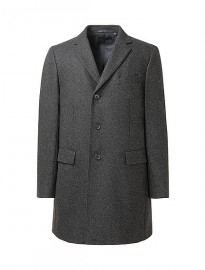
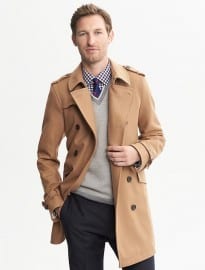
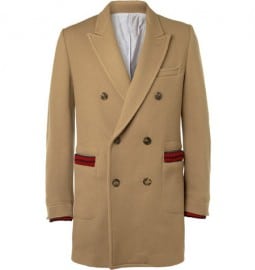
When it comes to formal wear, the neutral overcoat is king. Whether you opt for grey, charcoal or navy you’ve got yourself an extremely versatile piece that will slot seamlessly into your existing wardrobe. Due to its tailored shape and minimal detailing, it’s perfect for layering over your suit on the morning commute, ensuring protection from the elements, but it can also transition from work to play, taking any casual look up a notch instantly. For example, throw it on over a grey sweater, blue Oxford shirt and slim-leg jeans combination and finish with a pair of brogue boots for a well put together winter look. Alternatively, smarten things up with a tailored shirt and blazer and you’re still looking better than pretty much every other man on the high street. In short, just use it in much the same way as you would your other outerwear – there is no need to over-think things. As we’re discussing neutral colours here, it is definitely worth taking the time to consider the details that will set your coat apart. When you wear it, pop the collar to show off that fantastic contrast coloured felt under the collar. Look for interesting stitching details, buttons, patch pockets or inner linings. If you will predominantly be using yours for work (especially in the business/corporate world), you need to find something a bit more unique to you, in order to make your coat stand out. One simple, cost-effective way of ensuring your coat is truly one of a kind is by making some simple DIY alterations. Cheap plastic buttons can be changed to real horn or mother of pearl, badges or decorative pins can add a unique touch to lapels and you could even potentially add your very own felt under collar with a bit of practise. There are plenty of videos and guides out there (try YouTube) to help you along your way. Whether you opt for single- or double-breasted is determined by both your preference and body shape. As a general rule: tall and inverted triangle body types would benefit from double-breasted (although they can wear both) whilst short men and the larger of our kind should stick to single-breasted. A single-breasted coat will also be easier to wear both formally and casually, whilst double-breasted examples make more of a statement due to their powerful and imposing silhouette. However, a double-breasted version works much better with formal wear than it does casually because it needs to be done up most of the time to retain its shape. Personally, I would avoid black unless you are going to a formal evening event, as you risk looking too much like a doorman. Charcoal would make for a softer, more versatile alternative.




In terms of accessories, there are only three you really need to worry about: gloves, scarves and pocket squares. Stick to leather or streamlined, plain wool gloves – you don’t want to cheapen the appearance of your expensive coat with anything too casual. It is a tailored item after all. A medium weight wool scarf, tied so that the bulk of material sits in the neck opening of coat, will work perfectly here. If you are accessorising for fashion purposes rather than practicality, you could also think about using a lightweight silk version. These will be even less intrusive on the way the coat lies and can add a nice pop of colour or an on trend print to an ensemble, especially when set against a neutral overcoat. Pocket squares are a bit of a tricky issue. Adding a pocket square to the breast pocket of a coat seems a little too try hard to my mind. You could certainly store your sunglasses or gloves in there for a touch of sprezzatura, but a pocket square just seems too delicate to work with big, thick outerwear such as this. However, if you do choose to work in a pocket square, try and adjust it to your context: classic and refined for work, textured and patterned for your days off.
The overcoat is a classic, timeless piece of menswear that will never go out of fashion and deserves a place within any capsule wardrobe. Able to be used both formally and casually, they’re just as versatile as all our other winter favourites, so why not give them a go? Are you tempted? Let me know your thoughts in the comments section below…

Currently studying English Language & Literature at the University of Brighton, Will covers a variety of topics related to men’s fashion, with a particular focus on debating new trends and collections as well as discussing many of the issues affecting today’s fashionable gents.
 21 October 2013
 Will Colman
We independently evaluate all recommended products and services. Any products or services put forward appear in no particular order. if you click on links we provide, we may receive compensation.
Sometimes you just don’t get things right first time; you might make a mistake or it might not quite work out in the way you thought it would. You miss stuff, you forget to include important information or you’re just ploughing through things as quick as possible because there’s a deadline to meet. This is one of those times. Or rather, this is the rectification for one of those times. About a year ago I penned my first article on overcoats – it was a short affair, with a series of outfits for inspiration, but it lacked any real depth. I still stand by the information contained within it, but I felt that it needed something extra. Not one to shy away from my mistakes, I have decided to develop a more in-depth and (hopefully) informative piece that details why you should consider the overcoat as your go-to outerwear style this season.
At this moment in time, the weather outside has taken a dramatic turn – the wind has picked up, the rain has started falling and the temperature is definitely dropping. Yet whilst I have personally prepared well in advance for the transitional season and even got my winter coat sorted, many other unfortunate souls have not and it’s only fair that we do our best to rectify the situation before the climate begins to resemble arctic conditions.
Before we start, there are a couple of things to remember when it comes to purchasing the perfect winter coat:
When it comes to formal wear, the neutral overcoat is king. Whether you opt for grey, charcoal or navy you’ve got yourself an extremely versatile piece that will slot seamlessly into your existing wardrobe. Due to its tailored shape and minimal detailing, it’s perfect for layering over your suit on the morning commute, ensuring protection from the elements, but it can also transition from work to play, taking any casual look up a notch instantly. For example, throw it on over a grey sweater, blue Oxford shirt and slim-leg jeans combination and finish with a pair of brogue boots for a well put together winter look. Alternatively, smarten things up with a tailored shirt and blazer and you’re still looking better than pretty much every other man on the high street. In short, just use it in much the same way as you would your other outerwear – there is no need to over-think things. As we’re discussing neutral colours here, it is definitely worth taking the time to consider the details that will set your coat apart. When you wear it, pop the collar to show off that fantastic contrast coloured felt under the collar. Look for interesting stitching details, buttons, patch pockets or inner linings. If you will predominantly be using yours for work (especially in the business/corporate world), you need to find something a bit more unique to you, in order to make your coat stand out. One simple, cost-effective way of ensuring your coat is truly one of a kind is by making some simple DIY alterations. Cheap plastic buttons can be changed to real horn or mother of pearl, badges or decorative pins can add a unique touch to lapels and you could even potentially add your very own felt under collar with a bit of practise. There are plenty of videos and guides out there (try YouTube) to help you along your way. Whether you opt for single- or double-breasted is determined by both your preference and body shape. As a general rule: tall and inverted triangle body types would benefit from double-breasted (although they can wear both) whilst short men and the larger of our kind should stick to single-breasted. A single-breasted coat will also be easier to wear both formally and casually, whilst double-breasted examples make more of a statement due to their powerful and imposing silhouette. However, a double-breasted version works much better with formal wear than it does casually because it needs to be done up most of the time to retain its shape. Personally, I would avoid black unless you are going to a formal evening event, as you risk looking too much like a doorman. Charcoal would make for a softer, more versatile alternative.
In terms of accessories, there are only three you really need to worry about: gloves, scarves and pocket squares. Stick to leather or streamlined, plain wool gloves – you don’t want to cheapen the appearance of your expensive coat with anything too casual. It is a tailored item after all. A medium weight wool scarf, tied so that the bulk of material sits in the neck opening of coat, will work perfectly here. If you are accessorising for fashion purposes rather than practicality, you could also think about using a lightweight silk version. These will be even less intrusive on the way the coat lies and can add a nice pop of colour or an on trend print to an ensemble, especially when set against a neutral overcoat. Pocket squares are a bit of a tricky issue. Adding a pocket square to the breast pocket of a coat seems a little too try hard to my mind. You could certainly store your sunglasses or gloves in there for a touch of sprezzatura, but a pocket square just seems too delicate to work with big, thick outerwear such as this. However, if you do choose to work in a pocket square, try and adjust it to your context: classic and refined for work, textured and patterned for your days off.
The overcoat is a classic, timeless piece of menswear that will never go out of fashion and deserves a place within any capsule wardrobe. Able to be used both formally and casually, they’re just as versatile as all our other winter favourites, so why not give them a go? Are you tempted? Let me know your thoughts in the comments section below…
Currently studying English Language & Literature at the University of Brighton, Will covers a variety of topics related to men’s fashion, with a particular focus on debating new trends and collections as well as discussing many of the issues affecting today’s fashionable gents.


Get the latest Men's Style Advice, Evergreen Guides, Shopping Tips, and Exclusive Deals From Today's Top Brands.
We respect your privacy. We won't spam you.
Get the latest Men's Style Advice, Evergreen Guides, Shopping Tips, and Exclusive Deals From Today's Top Brands.
We respect your privacy. We won't spam you.
