


Get On The List
Get the latest Men's Style Advice, Evergreen Guides, Shopping Tips, and Exclusive Deals From Today's Top Brands.

 07 November 2024
 Shane C. Kurup
We independently evaluate all recommended products and services. Any products or services put forward appear in no particular order. if you click on links we provide, we may receive compensation.
We’re constantly being sold the virtues of cashmere – from its unrivalled softness to its comforting warmth – but what exactly makes this wool so superior? How is it different to regular sheep’s wool, and why is it so much more costly? Who does quality cashmere and how can I wear it best?
Sound familiar? Then set aside a few minutes for this succinct guide to all your cashmere-related questions, from fabrication to fine styling.
Cashmere wool is produced using the fine undercoat fibre of the Cashmere goat and other related species, which originate from the Kashmir region of North West India.
These goats produce a double fleece consisting of two layers – the outer layer consists of a coarse hair, providing a water-repellent barrier for the undercoat, which is composed of soft, insulating ultra-fine hairs. It’s this soft undercoat hair that’s used to produce cashmere wool.
It can take up to four years for a goat to produce enough fine undercoat hair to make just one cashmere jumper, and the cultivation, gathering and processing of the raw material is a long and labour-intensive process.
The fine hair is gathered when the goat begins to shed its winter coat in spring, and the fibres require ‘de-hairing’ to remove the coarser fibres from the outer fleece, which are not required for the production of cashmere.
Once separated, this fine hair is washed and dyed and then spun into yarn, ready to be used for garment manufacture. Cashmere has different grades of quality, according to where it is taken on the goat – the throat and under belly yield the softest wool, so yarn made from these fibres is particularly premium, usually with a price tag to match.
Our skin is a sensitive organ, and is often the first part of our body to drop clues that we should be treating it with a little more care.
Our skin reacts to what we wear against it; anyone who has worn a coarse sheep’s wool jumper can attest to the uncomfortable itch that ensues as soon as you pull it over your head. Unlike coarse wool, cashmere offers a pretty much itch-free experience. Thanks to its ultra-fine fibre density, cashmere lacks the rough, scratchy texture associated with traditional wool.
Cashmere is renowned for its superb insulation, outperforming other types of wool by far. In fact, certain premium-grade cashmere is up to eight times warmer than regular sheep’s wool.
Cashmere’s ability to retain such high levels of body heat is due to the unique structure of its fibres. Cashmere fibre’s super-fine structure enables it to trap a greater number of air particles, which in turn heat up to provide an exceptional insulating layer.
No wonder, then, that Cashmere goats aren’t phased by their habitat’s extreme temperature fluctuations from night to day.
Quality cashmere also has the added benefit of not shrinking when washed, unlike a lot of sheep’s wool.
Provided you don’t skimp when it comes to care and follow the correct washing instructions (see below), cashmere will retain its shape far better than other types of wool.
Convinced cashmere is for you? Here are a few things to consider before buying:
Despite its premium properties, cashmere has become a truly commercial material, being produced at an industrial scale to keep up with unsurprisingly high consumer demand. Due to the increase in production, there’s been a considerable fall in the price of the fabric, making it an affordable and accessible luxury.
Brands like Uniqlo, John Lewis, Gap and Marks & Spencer offer quality cashmere garments at prices that won’t send your accountant into anaphylactic shock:
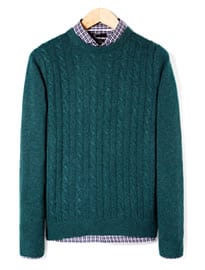

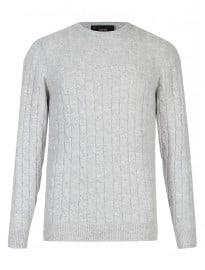
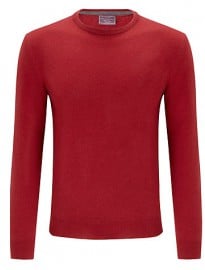
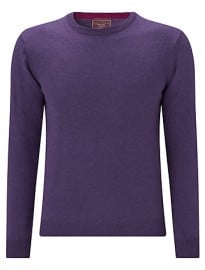
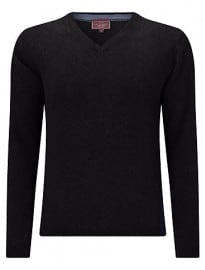
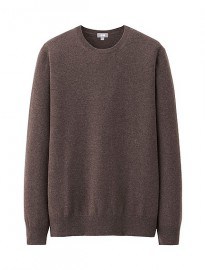
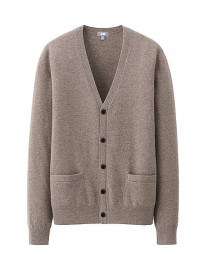
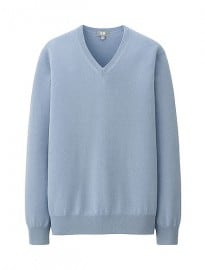
Many high-end British high street brands are particularly partial to cashmere. The likes of Reiss, Jaeger, Whistles, Johnstons of Elgin and Jigsaw all produce quality cashmere designs.
French label Jet 8 also offer cashmere pieces that are considered and spliced with a modern edge:
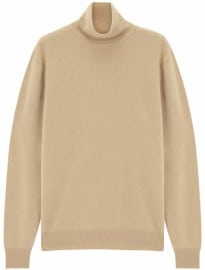
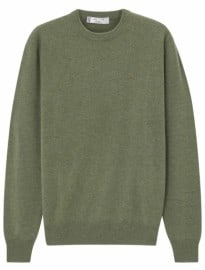

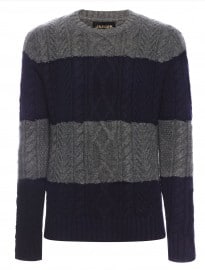
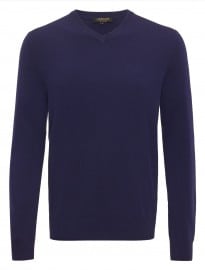
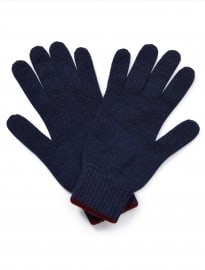
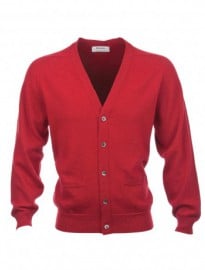

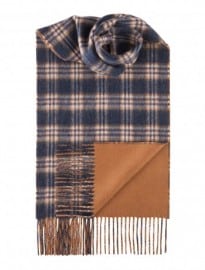
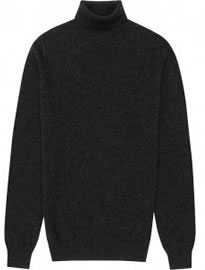
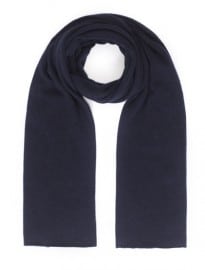
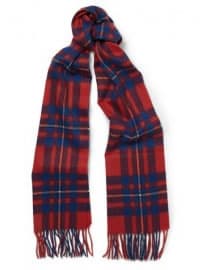
Despite the widespread availability of cashmere, the best grades of the fabric are still to be found in the store fronts of high-end brands.
Luxury labels like Berluti, Burberry and The Elder Statesmen provide a masterclass in cashmere manufacturing, with ranges that include expertly crafted, sumptuous heavy gauge cashmere knits – a must if you’re cold-blooded and deep-pocketed:
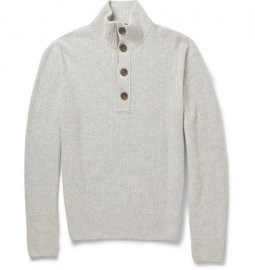
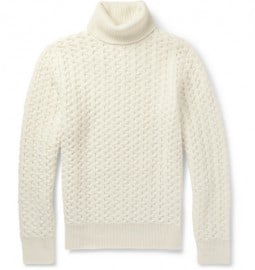
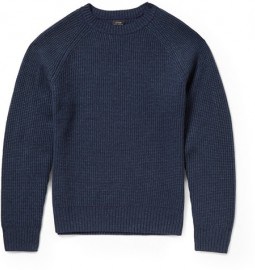
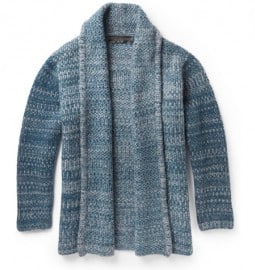
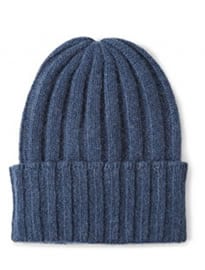
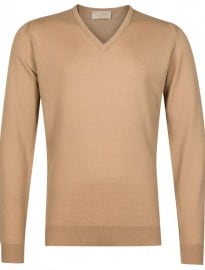
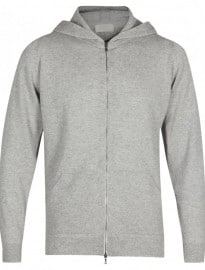
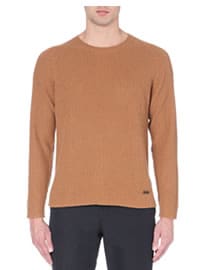
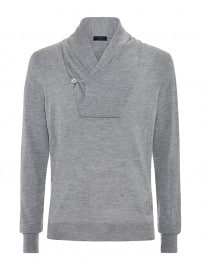
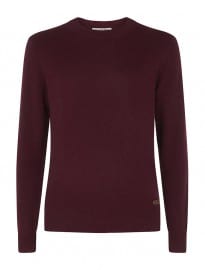
Fine gauge cashmere jumpers and cardigans are perfect for layering over button-down shirts and tees at the weekend or pairing with work shirts and suiting if you’re office-bound. For a more contemporary approach on off-duty days, you could try a cashmere hoodie – sports luxe at its finest.
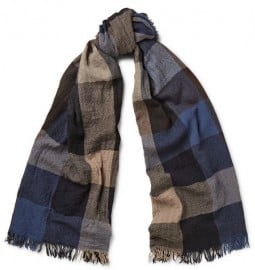
Cashmere accessories such as scarves, gloves and hats are also great for adding a sophisticated touch to your winter looks. Why not finish off a well-cut wool overcoat with a tonal cashmere scarf or a pair of cashmere gloves?

Given cashmere’s superior status in the wool family, it’s commonly misinterpreted as a delicate, precious fabric that requires specialist treatment. In actual fact, cashmere is quite a durable material and if treated properly, tends to stay in better shape than standard wool.
Unlike sheep’s wool, cashmere is best washed in water, despite many cashmere garments’ care labels giving strict ‘Dry Clean Only’ instructions. This is because cashmere is in fact a hair, rather than wool, and so can tolerate water. Often, brands advise to dry clean to avoid liability – if anything happens to the garment, it’s the cleaner that gets the blame, not the manufacturer.
Handwashing using cool water is the best method of cleaning cashmere. Be sure to use a delicate washing detergent or specialist cashmere wool wash. Some avid cashmere wearers advise using a drop of baby shampoo in the water, as this helps to maintain its soft, fluffy texture. Gently squeeze, rather than vigorously rub, the suds through the garment to clean, and then rinse thoroughly to finish.
If you have a washing machine with a hand-wash cycle, most cashmere garments can be cleaned safely using this method – just make sure to set it to a cold wash and place the garment inside a mesh bag to minimise agitation, which can cause pilling.
Once washed, never wring the garment – absorb excess water by gently pressing with a towel, reshape it while wet and lay it flat to dry in an airy place. Avoid hanging your cashmere garments up to dry, as it will cause them to stretch and lose their shape.
Tip: If your cashmere starts to bobble, avoid pulling at the loose yarn. Instead, invest in a cashmere comb, which will keep the fibres in order and remove loose hairs.

Fold – never hang – your cashmere garments to store them, so that they retain their shape. If you don’t plan to wear them for an extended period, cover with dust bags or sealable garment carriers to keep them off the wool moths’ radar.
While many men still approach cashmere with a good deal of caution, gone are the days when this fabric was considered a mere frivolous indulgence.
By investing in the right cashmere, you’ll bring both longevity and luxury to your knitwear. And if cared for properly, your cashmere garments will outlive your usual run-of-the-mill knits, easily earning back their initial outlay.

 07 November 2024
 Shane C. Kurup
We independently evaluate all recommended products and services. Any products or services put forward appear in no particular order. if you click on links we provide, we may receive compensation.
We’re constantly being sold the virtues of cashmere – from its unrivalled softness to its comforting warmth – but what exactly makes this wool so superior? How is it different to regular sheep’s wool, and why is it so much more costly? Who does quality cashmere and how can I wear it best?
Sound familiar? Then set aside a few minutes for this succinct guide to all your cashmere-related questions, from fabrication to fine styling.
Cashmere wool is produced using the fine undercoat fibre of the Cashmere goat and other related species, which originate from the Kashmir region of North West India.
These goats produce a double fleece consisting of two layers – the outer layer consists of a coarse hair, providing a water-repellent barrier for the undercoat, which is composed of soft, insulating ultra-fine hairs. It’s this soft undercoat hair that’s used to produce cashmere wool.
It can take up to four years for a goat to produce enough fine undercoat hair to make just one cashmere jumper, and the cultivation, gathering and processing of the raw material is a long and labour-intensive process.
The fine hair is gathered when the goat begins to shed its winter coat in spring, and the fibres require ‘de-hairing’ to remove the coarser fibres from the outer fleece, which are not required for the production of cashmere.
Once separated, this fine hair is washed and dyed and then spun into yarn, ready to be used for garment manufacture. Cashmere has different grades of quality, according to where it is taken on the goat – the throat and under belly yield the softest wool, so yarn made from these fibres is particularly premium, usually with a price tag to match.
Our skin is a sensitive organ, and is often the first part of our body to drop clues that we should be treating it with a little more care.
Our skin reacts to what we wear against it; anyone who has worn a coarse sheep’s wool jumper can attest to the uncomfortable itch that ensues as soon as you pull it over your head. Unlike coarse wool, cashmere offers a pretty much itch-free experience. Thanks to its ultra-fine fibre density, cashmere lacks the rough, scratchy texture associated with traditional wool.
Cashmere is renowned for its superb insulation, outperforming other types of wool by far. In fact, certain premium-grade cashmere is up to eight times warmer than regular sheep’s wool.
Cashmere’s ability to retain such high levels of body heat is due to the unique structure of its fibres. Cashmere fibre’s super-fine structure enables it to trap a greater number of air particles, which in turn heat up to provide an exceptional insulating layer.
No wonder, then, that Cashmere goats aren’t phased by their habitat’s extreme temperature fluctuations from night to day.
Quality cashmere also has the added benefit of not shrinking when washed, unlike a lot of sheep’s wool.
Provided you don’t skimp when it comes to care and follow the correct washing instructions (see below), cashmere will retain its shape far better than other types of wool.
Convinced cashmere is for you? Here are a few things to consider before buying:
Despite its premium properties, cashmere has become a truly commercial material, being produced at an industrial scale to keep up with unsurprisingly high consumer demand. Due to the increase in production, there’s been a considerable fall in the price of the fabric, making it an affordable and accessible luxury.
Brands like Uniqlo, John Lewis, Gap and Marks & Spencer offer quality cashmere garments at prices that won’t send your accountant into anaphylactic shock:
Many high-end British high street brands are particularly partial to cashmere. The likes of Reiss, Jaeger, Whistles, Johnstons of Elgin and Jigsaw all produce quality cashmere designs.
French label Jet 8 also offer cashmere pieces that are considered and spliced with a modern edge:
Despite the widespread availability of cashmere, the best grades of the fabric are still to be found in the store fronts of high-end brands.
Luxury labels like Berluti, Burberry and The Elder Statesmen provide a masterclass in cashmere manufacturing, with ranges that include expertly crafted, sumptuous heavy gauge cashmere knits – a must if you’re cold-blooded and deep-pocketed:
Fine gauge cashmere jumpers and cardigans are perfect for layering over button-down shirts and tees at the weekend or pairing with work shirts and suiting if you’re office-bound. For a more contemporary approach on off-duty days, you could try a cashmere hoodie – sports luxe at its finest.
Cashmere accessories such as scarves, gloves and hats are also great for adding a sophisticated touch to your winter looks. Why not finish off a well-cut wool overcoat with a tonal cashmere scarf or a pair of cashmere gloves?
Given cashmere’s superior status in the wool family, it’s commonly misinterpreted as a delicate, precious fabric that requires specialist treatment. In actual fact, cashmere is quite a durable material and if treated properly, tends to stay in better shape than standard wool.
Unlike sheep’s wool, cashmere is best washed in water, despite many cashmere garments’ care labels giving strict ‘Dry Clean Only’ instructions. This is because cashmere is in fact a hair, rather than wool, and so can tolerate water. Often, brands advise to dry clean to avoid liability – if anything happens to the garment, it’s the cleaner that gets the blame, not the manufacturer.
Handwashing using cool water is the best method of cleaning cashmere. Be sure to use a delicate washing detergent or specialist cashmere wool wash. Some avid cashmere wearers advise using a drop of baby shampoo in the water, as this helps to maintain its soft, fluffy texture. Gently squeeze, rather than vigorously rub, the suds through the garment to clean, and then rinse thoroughly to finish.
If you have a washing machine with a hand-wash cycle, most cashmere garments can be cleaned safely using this method – just make sure to set it to a cold wash and place the garment inside a mesh bag to minimise agitation, which can cause pilling.
Once washed, never wring the garment – absorb excess water by gently pressing with a towel, reshape it while wet and lay it flat to dry in an airy place. Avoid hanging your cashmere garments up to dry, as it will cause them to stretch and lose their shape.
Tip: If your cashmere starts to bobble, avoid pulling at the loose yarn. Instead, invest in a cashmere comb, which will keep the fibres in order and remove loose hairs.
Fold – never hang – your cashmere garments to store them, so that they retain their shape. If you don’t plan to wear them for an extended period, cover with dust bags or sealable garment carriers to keep them off the wool moths’ radar.
While many men still approach cashmere with a good deal of caution, gone are the days when this fabric was considered a mere frivolous indulgence.
By investing in the right cashmere, you’ll bring both longevity and luxury to your knitwear. And if cared for properly, your cashmere garments will outlive your usual run-of-the-mill knits, easily earning back their initial outlay.


Get the latest Men's Style Advice, Evergreen Guides, Shopping Tips, and Exclusive Deals From Today's Top Brands.
We respect your privacy. We won't spam you.
Get the latest Men's Style Advice, Evergreen Guides, Shopping Tips, and Exclusive Deals From Today's Top Brands.
We respect your privacy. We won't spam you.
