


Get On The List
Get the latest Men's Style Advice, Evergreen Guides, Shopping Tips, and Exclusive Deals From Today's Top Brands.

 22 June 2017
 Natasha Daniels
We independently evaluate all recommended products and services. Any products or services put forward appear in no particular order. if you click on links we provide, we may receive compensation.
They say wine improves with age, and people improve with wine. With 3,200 bottles being sold every minute in the UK, that’s a lot of self-improvement – but also a lot of room for error. Learning your Albariños from your Zinfandels might sound like a barrel of laughs, but becoming a Master Sommelier takes an entire decade. That’s why most of us stare gormlessly when waiters hand over a wine list that reads like War And Peace. Sifting through the vines to find the perfect bottle is both an art and a science, so to guide you through the process, we spoke to London Wine Week festival director Emma Murphy. These are her top tips to pick your tipple – and at least look like you know what you’re talking about.
The simplest way to come off like a pro when browsing the wine list is to avoid the usual suspects in terms of regions; so skip past France, Argentina and New Zealand. “When you see a rogue choice from a country you never knew made wine, it’ll generally be the gem,” says Murphy. “In recent years countries such as Bulgaria, Slovenia, Hungary and Greece have massively upped their game and are turning out some real top notch varieties – try something off piste and you may find a winner.”
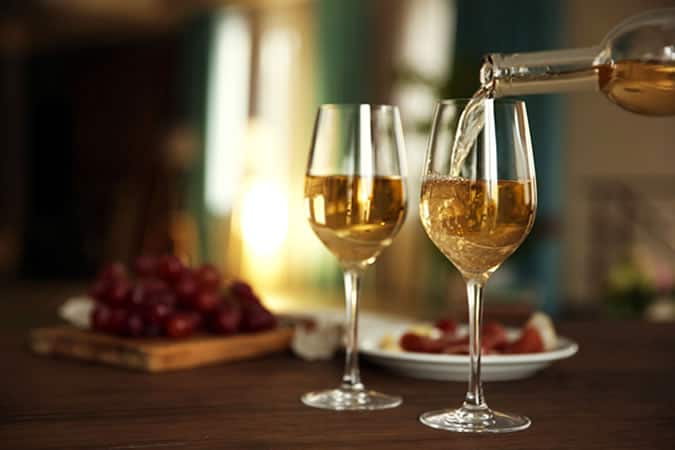
Attempting to bluff your way through a wine list in front of an expert is like trying to beat Usain Bolt in a foot race. Your best bet is to lean on a sommelier (figuratively, not drunkenly) and ask the right questions. Check for a bottle that pairs well with your date’s main dish, or ask if the restaurant has acquired anything new. “They are the very best; they have the joyous task of tasting all of these wines and generally will know the list by heart and what wine pairs best with every dish on the menu.” (Related: A Bluffer’s Guide To Whisky)
When bubbles are required, it’s a fair assumption that most will reach either reach for prosecco or – if purse strings allow – champagne. A mistake, Murphy says. “There are plenty of lesser known sparkling options that can rival even the most well-known champagne houses at a fraction of the price. “If sticking with France, cremánt is a fantastic choice – produced in the same method as champagne but from various other regions of the country. Elsewhere, Spanish cava, franciacorta from northern Italy, and in particular, English sparkling wines, are again all made in the same way. Plus, it’ll sound way more impressive on a date than reaching for the house prosecco.”
Just like what’s in your wardrobe follows trends, so too does what’s in your glass, according to Murphy. “Whether it’s riesling, rosé, or the recent comeback of sherry – if you keep abreast of what’s having a moment, not only will you impress your mates, you’ll often find really great options around as merchants and sommeliers cater for the demand with wider selections and more interesting choices.”
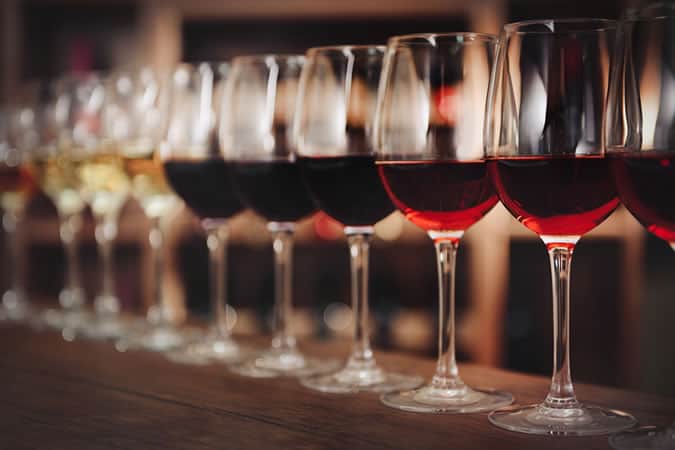
“When faced with a wall of wine in the supermarket or a menu that takes longer than dinner to read, it can be tough even to know where to begin,” says Murphy, who recommends getting familiar with a small number of easy drinking go-to wines. As a quick go-to to impress your date – or your in-laws – we’ve compiled a failsafe list of the key characteristics of some of the most popular wine varieties, and just what to order them with. Wine ‘em over.
Crisp, light and fruity, with notes of lemon Pair with: shellfish and seafood salads, grilled white meats, green vegetables
Hints of green apple and tropical fruits, with a buttery, rich and creamy finish Pair with: creamy poultry dishes, and creamy curries or pastas.
Heavyweight combo of dark fruits, rich chocolate and a hint of tobacco Pair with: rich meat dishes like steak or roast lamb and pork
Full-bodied fruit flavours that finish with a hint of pepper Pair with: rich meaty dishes with paella, lamb shanks or roast duck
Sweet fruity notes like cherries and cranberries, softened with vanilla and caramel Pair with: almost anything, from baked fish to slow-cooked lamb
Crisp citrus flavours like lime and apple, tempered with a little honey Pair with: seafood, pasta and vegetarian dishes
Sweet, slightly acidic notes of fruit and honey Pair with: chicken, seafood or sushi
Red-berry fruits with a savoury edge Pair with: most meats but especially lamb and Spanish dishes like Paella
A complex wine with citrusy notes of lime and passionfruit Pair with: Thai & Chinese cuisines
A full-bodied red wine with blackcurrant, green pepper and chocolate Pair with: rare beef, barbecued red meats, roasted root vegetables – perfect for a BBQ
Packed with jammy red berry flavours, vanilla oak tones and herbal notes Pair with: white rind cheeses, roasted white meat, herby sausages
Juicy blueberry and black cherry flavours with brown spice and tobacco Pair with: chickpea-based dishes, strongly flavoured beef or lamb
Slightly off dry, fruity rosé with soft flavours of raspberry and sweet flowers Pair with: Light meals such as salads and grilled seafood
Off-dry, fruity rosé with aromas of dried cranberry, strawberry and watermelon Pair with: light Thai dishes and fresh fruit salads
FashionBeans associate editor Natasha Daniels has spent the best part of a decade working with some of the world’s top fashion brands. A former style adviser on Radio One and ITV, and with bylines in The Telegraph, The Times and The Guardian, she now uses her experience to keep men up to date with all the need-to-know trends and key pieces.
 22 June 2017
 Natasha Daniels
We independently evaluate all recommended products and services. Any products or services put forward appear in no particular order. if you click on links we provide, we may receive compensation.
They say wine improves with age, and people improve with wine. With 3,200 bottles being sold every minute in the UK, that’s a lot of self-improvement – but also a lot of room for error. Learning your Albariños from your Zinfandels might sound like a barrel of laughs, but becoming a Master Sommelier takes an entire decade. That’s why most of us stare gormlessly when waiters hand over a wine list that reads like War And Peace. Sifting through the vines to find the perfect bottle is both an art and a science, so to guide you through the process, we spoke to London Wine Week festival director Emma Murphy. These are her top tips to pick your tipple – and at least look like you know what you’re talking about.
The simplest way to come off like a pro when browsing the wine list is to avoid the usual suspects in terms of regions; so skip past France, Argentina and New Zealand. “When you see a rogue choice from a country you never knew made wine, it’ll generally be the gem,” says Murphy. “In recent years countries such as Bulgaria, Slovenia, Hungary and Greece have massively upped their game and are turning out some real top notch varieties – try something off piste and you may find a winner.”
Attempting to bluff your way through a wine list in front of an expert is like trying to beat Usain Bolt in a foot race. Your best bet is to lean on a sommelier (figuratively, not drunkenly) and ask the right questions. Check for a bottle that pairs well with your date’s main dish, or ask if the restaurant has acquired anything new. “They are the very best; they have the joyous task of tasting all of these wines and generally will know the list by heart and what wine pairs best with every dish on the menu.” (Related: A Bluffer’s Guide To Whisky)
When bubbles are required, it’s a fair assumption that most will reach either reach for prosecco or – if purse strings allow – champagne. A mistake, Murphy says. “There are plenty of lesser known sparkling options that can rival even the most well-known champagne houses at a fraction of the price. “If sticking with France, cremánt is a fantastic choice – produced in the same method as champagne but from various other regions of the country. Elsewhere, Spanish cava, franciacorta from northern Italy, and in particular, English sparkling wines, are again all made in the same way. Plus, it’ll sound way more impressive on a date than reaching for the house prosecco.”
Just like what’s in your wardrobe follows trends, so too does what’s in your glass, according to Murphy. “Whether it’s riesling, rosé, or the recent comeback of sherry – if you keep abreast of what’s having a moment, not only will you impress your mates, you’ll often find really great options around as merchants and sommeliers cater for the demand with wider selections and more interesting choices.”
“When faced with a wall of wine in the supermarket or a menu that takes longer than dinner to read, it can be tough even to know where to begin,” says Murphy, who recommends getting familiar with a small number of easy drinking go-to wines. As a quick go-to to impress your date – or your in-laws – we’ve compiled a failsafe list of the key characteristics of some of the most popular wine varieties, and just what to order them with. Wine ‘em over.
Crisp, light and fruity, with notes of lemon Pair with: shellfish and seafood salads, grilled white meats, green vegetables
Hints of green apple and tropical fruits, with a buttery, rich and creamy finish Pair with: creamy poultry dishes, and creamy curries or pastas.
Heavyweight combo of dark fruits, rich chocolate and a hint of tobacco Pair with: rich meat dishes like steak or roast lamb and pork
Full-bodied fruit flavours that finish with a hint of pepper Pair with: rich meaty dishes with paella, lamb shanks or roast duck
Sweet fruity notes like cherries and cranberries, softened with vanilla and caramel Pair with: almost anything, from baked fish to slow-cooked lamb
Crisp citrus flavours like lime and apple, tempered with a little honey Pair with: seafood, pasta and vegetarian dishes
Sweet, slightly acidic notes of fruit and honey Pair with: chicken, seafood or sushi
Red-berry fruits with a savoury edge Pair with: most meats but especially lamb and Spanish dishes like Paella
A complex wine with citrusy notes of lime and passionfruit Pair with: Thai & Chinese cuisines
A full-bodied red wine with blackcurrant, green pepper and chocolate Pair with: rare beef, barbecued red meats, roasted root vegetables – perfect for a BBQ
Packed with jammy red berry flavours, vanilla oak tones and herbal notes Pair with: white rind cheeses, roasted white meat, herby sausages
Juicy blueberry and black cherry flavours with brown spice and tobacco Pair with: chickpea-based dishes, strongly flavoured beef or lamb
Slightly off dry, fruity rosé with soft flavours of raspberry and sweet flowers Pair with: Light meals such as salads and grilled seafood
Off-dry, fruity rosé with aromas of dried cranberry, strawberry and watermelon Pair with: light Thai dishes and fresh fruit salads
FashionBeans associate editor Natasha Daniels has spent the best part of a decade working with some of the world’s top fashion brands. A former style adviser on Radio One and ITV, and with bylines in The Telegraph, The Times and The Guardian, she now uses her experience to keep men up to date with all the need-to-know trends and key pieces.


Get the latest Men's Style Advice, Evergreen Guides, Shopping Tips, and Exclusive Deals From Today's Top Brands.
We respect your privacy. We won't spam you.
Get the latest Men's Style Advice, Evergreen Guides, Shopping Tips, and Exclusive Deals From Today's Top Brands.
We respect your privacy. We won't spam you.
