


Get On The List
Get the latest Men's Style Advice, Evergreen Guides, Shopping Tips, and Exclusive Deals From Today's Top Brands.

 17 November 2025
 FashionBeans Editors
We independently evaluate all recommended products and services. Any products or services put forward appear in no particular order. if you click on links we provide, we may receive compensation.
Adidas lost more than a collaborator when the Yeezy partnership ended. The brand also lost one of the most commercially influential product lines of the past decade. In North America especially, the business felt the hit first: slower growth, excess inventory, and a brand identity that became too reliant on a single partnership. Over the past year, Adidas has been rebuilding. There’s new leadership, a renewed focus on heritage products, and a pivot back toward performance. The question now is whether Adidas will recover, and if they do, how that recovery will shape what you wear in 2026.
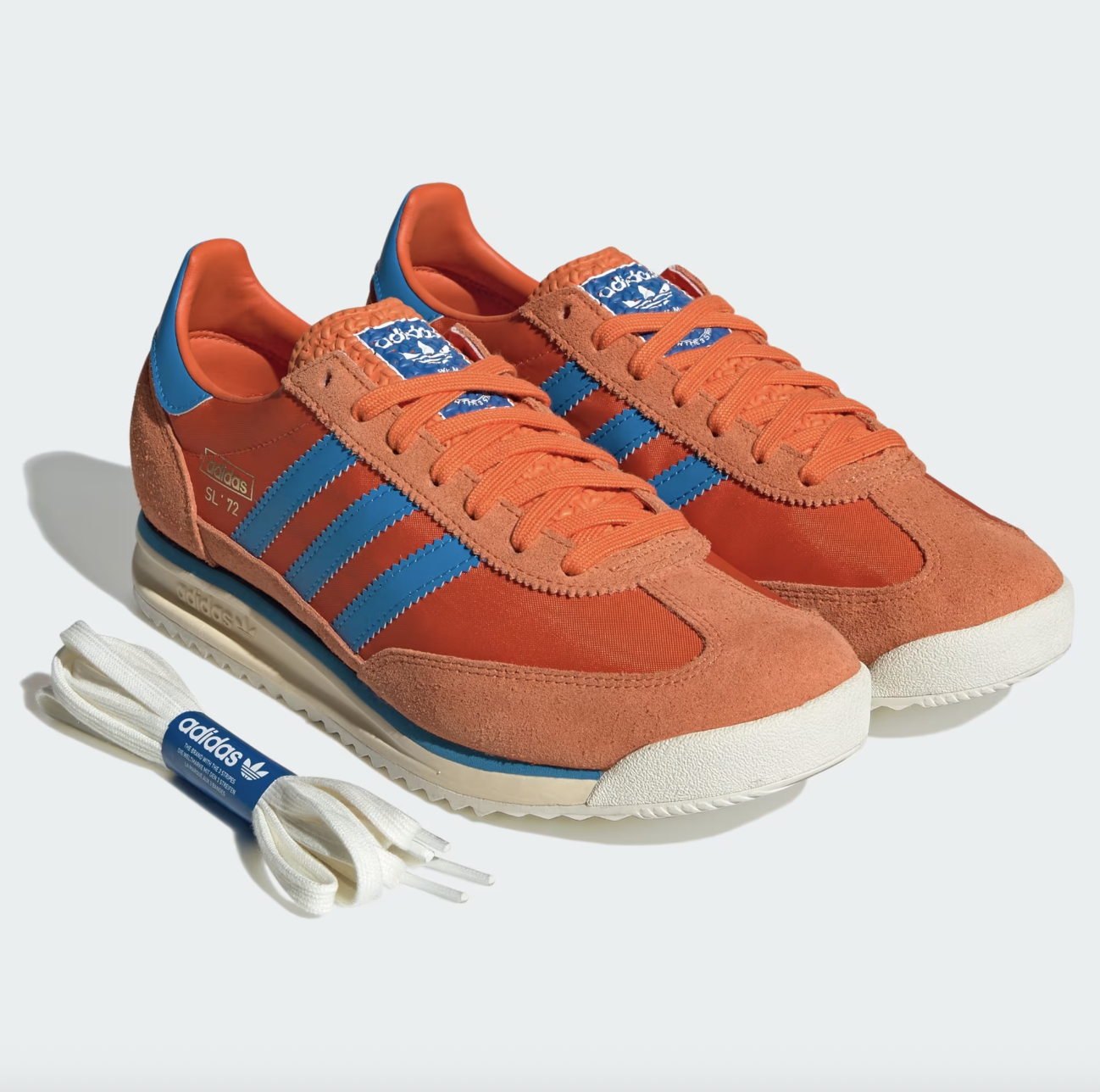
When Adidas ended the collaboration with Ye (formerly Kanye West) in 2022, the impact was immediate. The brand publicly acknowledged the termination would create “short-term negative impact” on revenues.
In the U.S., the problem compounded with tariff headwinds and retailer caution. In Q3 2025, Adidas reported a 5% decline in North American sales despite global growth of 3%.
Such performance signals a deeper challenge than just losing one line: inventory built up, full-price pricing was under threat, and Adidas’s identity in North America became unfocused.
The key here: the fallout was enough of a financial impact that it forced the brand to re-evaluate its strategy.
Adidas has four clear pillars in this rebuild:

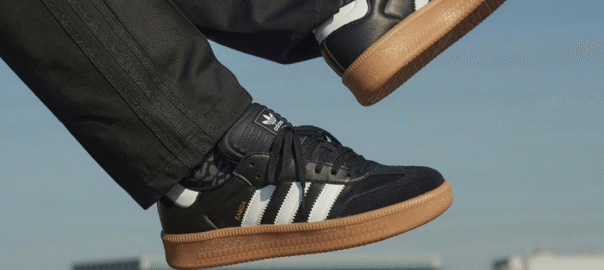
Archival silhouettes are back. The Samba in particular remains a growth driver.
These shoes carry cultural value and lower risk compared with hyped collabs that may or may not pay off. For the consumer, it means more predictable “style buys” rather than gamble drops.
Performance doesn’t cover only gym shoes anymore, it’s also includes aesthetic choices and technical utility. Adidas’s running segment, for instance, grew around 30% in Q3 2025.
In North America, where athleisure remains strong, this promises shoes that are gym-ready, street-ready, and built for daily wear.
Adidas is tightening distribution, reducing excessive discounting, and improving in-store storytelling. The aim: rebuild perceived value, which took a hit with heavy promos during the fallout.
For you as a shopper, expect more full-price integrity, clearer brand messaging, and fewer “washouts” of style via over-discounting.
With CEO Bjørn Gulden at the helm since 2023 (and a clear mandate for “brand strength over hype”), Adidas is betting on a long-game strategy.
That means fewer flashy celebrity-driven stunts, more consistent brand positioning — which ultimately benefits the consumer who wants style with substance.
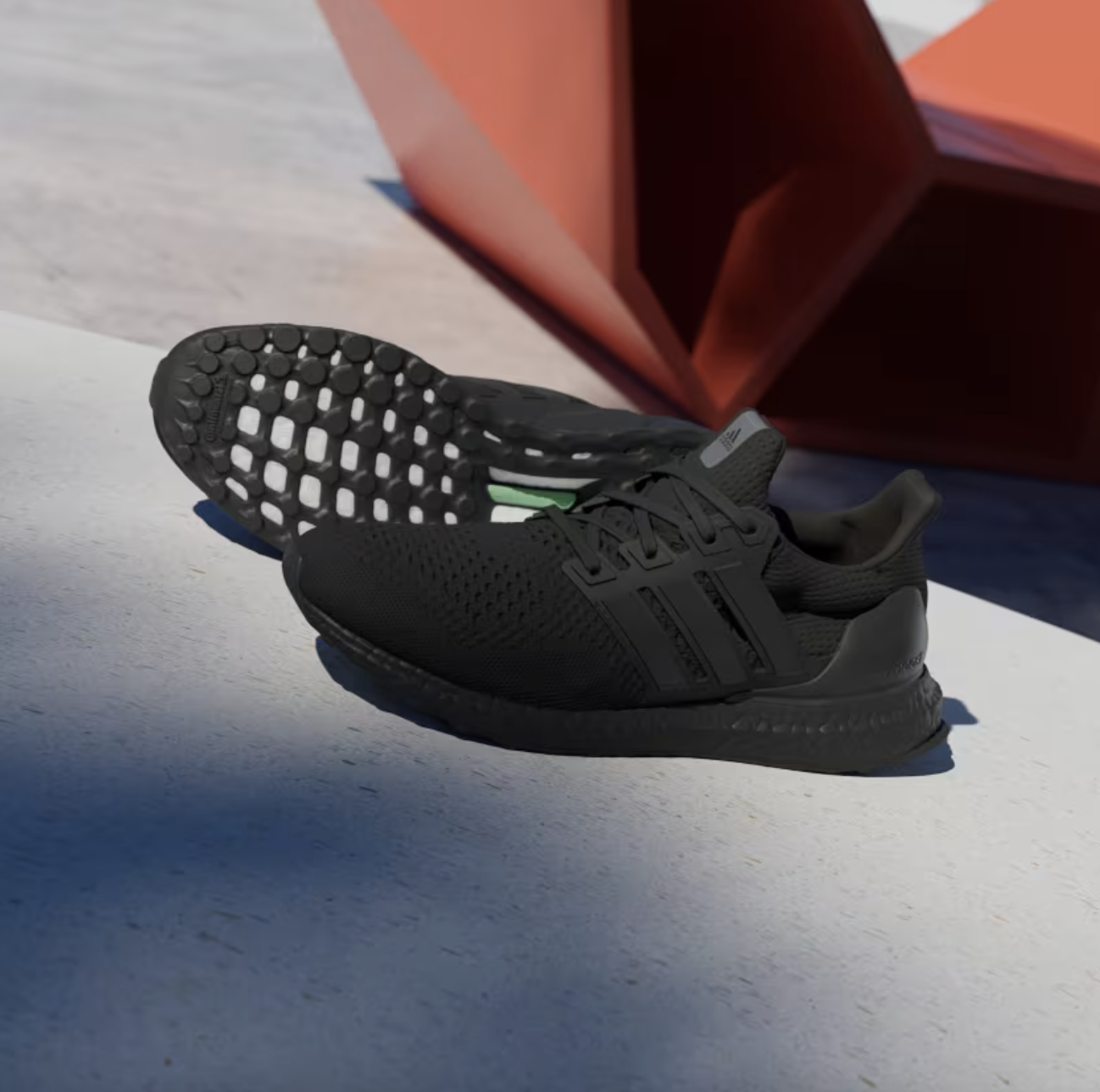
Expect more colors, materials, and collaborations around their classic models. We’re past the “novelty drop” phase and entering refinement. The search interest for Samba peaked (per Google Trends) and now is stabilizing.
Running shoes, training models and hybrids will come with sleeker silhouettes and subtle branding. Adidas knows North America demands it (and Q3 2025 growth in running proves it).
Track jackets, warm-ups and windbreakers are back — but tailored for modern wardrobes, not full vintage excess. Consumers will see archive styles re-imagined, not simply copied.
Instead of brand X + star Y being everything, Adidas is playing on its own archive, its own history. That means you’ll see pieces with genuine brand lineage — and that removes some of the gamble when buying.

Expect more accessible pricing. Heritage classics cost less to scale than hyped limited drops.
Better everyday sneakers. The performance-lifestyle crossover means fewer “one-wear” shoes, more reliable rotation pieces.
More stable trends. With Adidas focusing on heritage + performance, you’ll see fewer wild pivots and more consistent style cues.
Cleaner fits and simpler silhouettes. Classic Adidas shoes pair with straight-leg trousers, light denim, cargos. They’re adaptable.
More reliable availability. Because the brand is moving away from hyper-limited drops, your chances of securing key pieces improve. That’s good for budget-conscious style.

Adidas is in rebuild mode — but the foundation looks stronger than the hype-cycle that defined its last decade. North America is the toughest market to win; Adidas knows this and is designing for it directly. For you, the consumer, that means more style that holds up, more performance built into everyday pieces, and fewer chaotic flashes of hype that disappear as quickly as they appear.
If 2024 was a reset year, 2025 and 2026 is the start of a more confident Adidas — anchored in heritage, tuned for modern tastes, and less dependent on volatile superstar partnerships. The three stripes are still relevant — maybe now more resilient.
The end of the Yeezy era was both a setback and an opportunity for Adidas. In North America, it has forced the brand to face its vulnerabilities and re-build with intention.
What you wear next season — the sneakers, the tracksuits, the mix of sport and street — will be shaped by this rehabilitation. Adidas isn’t chasing hype as much as it is re-engineering relevance. And that’s a shift worth knowing about if you care about style that lasts.

The editorial team at FashionBeans is your trusted partner in redefining modern men’s style. Established in 2007, FashionBeans has evolved into a leading authority in men’s fashion, with millions of readers seeking practical advice, expert insights, and real-world inspiration for curating their wardrobe and lifestyle.
Our editorial team combines over 50 years of collective experience in fashion journalism, styling, and retail. Each editor brings specialized expertise—from luxury fashion and sustainable style to the latest grooming technology and fragrance science. With backgrounds ranging from GQ and Esquire to personal styling for celebrities, our team ensures every recommendation comes from a place of deep industry knowledge.
 17 November 2025
 FashionBeans Editors
We independently evaluate all recommended products and services. Any products or services put forward appear in no particular order. if you click on links we provide, we may receive compensation.
Adidas lost more than a collaborator when the Yeezy partnership ended. The brand also lost one of the most commercially influential product lines of the past decade. In North America especially, the business felt the hit first: slower growth, excess inventory, and a brand identity that became too reliant on a single partnership. Over the past year, Adidas has been rebuilding. There’s new leadership, a renewed focus on heritage products, and a pivot back toward performance. The question now is whether Adidas will recover, and if they do, how that recovery will shape what you wear in 2026.
When Adidas ended the collaboration with Ye (formerly Kanye West) in 2022, the impact was immediate. The brand publicly acknowledged the termination would create “short-term negative impact” on revenues.
In the U.S., the problem compounded with tariff headwinds and retailer caution. In Q3 2025, Adidas reported a 5% decline in North American sales despite global growth of 3%.
Such performance signals a deeper challenge than just losing one line: inventory built up, full-price pricing was under threat, and Adidas’s identity in North America became unfocused.
The key here: the fallout was enough of a financial impact that it forced the brand to re-evaluate its strategy.
Adidas has four clear pillars in this rebuild:
Archival silhouettes are back. The Samba in particular remains a growth driver.
These shoes carry cultural value and lower risk compared with hyped collabs that may or may not pay off. For the consumer, it means more predictable “style buys” rather than gamble drops.
Performance doesn’t cover only gym shoes anymore, it’s also includes aesthetic choices and technical utility. Adidas’s running segment, for instance, grew around 30% in Q3 2025.
In North America, where athleisure remains strong, this promises shoes that are gym-ready, street-ready, and built for daily wear.
Adidas is tightening distribution, reducing excessive discounting, and improving in-store storytelling. The aim: rebuild perceived value, which took a hit with heavy promos during the fallout.
For you as a shopper, expect more full-price integrity, clearer brand messaging, and fewer “washouts” of style via over-discounting.
With CEO Bjørn Gulden at the helm since 2023 (and a clear mandate for “brand strength over hype”), Adidas is betting on a long-game strategy.
That means fewer flashy celebrity-driven stunts, more consistent brand positioning — which ultimately benefits the consumer who wants style with substance.
Expect more colors, materials, and collaborations around their classic models. We’re past the “novelty drop” phase and entering refinement. The search interest for Samba peaked (per Google Trends) and now is stabilizing.
Running shoes, training models and hybrids will come with sleeker silhouettes and subtle branding. Adidas knows North America demands it (and Q3 2025 growth in running proves it).
Track jackets, warm-ups and windbreakers are back — but tailored for modern wardrobes, not full vintage excess. Consumers will see archive styles re-imagined, not simply copied.
Instead of brand X + star Y being everything, Adidas is playing on its own archive, its own history. That means you’ll see pieces with genuine brand lineage — and that removes some of the gamble when buying.
Expect more accessible pricing. Heritage classics cost less to scale than hyped limited drops.
Better everyday sneakers. The performance-lifestyle crossover means fewer “one-wear” shoes, more reliable rotation pieces.
More stable trends. With Adidas focusing on heritage + performance, you’ll see fewer wild pivots and more consistent style cues.
Cleaner fits and simpler silhouettes. Classic Adidas shoes pair with straight-leg trousers, light denim, cargos. They’re adaptable.
More reliable availability. Because the brand is moving away from hyper-limited drops, your chances of securing key pieces improve. That’s good for budget-conscious style.
Adidas is in rebuild mode — but the foundation looks stronger than the hype-cycle that defined its last decade. North America is the toughest market to win; Adidas knows this and is designing for it directly. For you, the consumer, that means more style that holds up, more performance built into everyday pieces, and fewer chaotic flashes of hype that disappear as quickly as they appear.
If 2024 was a reset year, 2025 and 2026 is the start of a more confident Adidas — anchored in heritage, tuned for modern tastes, and less dependent on volatile superstar partnerships. The three stripes are still relevant — maybe now more resilient.
The end of the Yeezy era was both a setback and an opportunity for Adidas. In North America, it has forced the brand to face its vulnerabilities and re-build with intention.
What you wear next season — the sneakers, the tracksuits, the mix of sport and street — will be shaped by this rehabilitation. Adidas isn’t chasing hype as much as it is re-engineering relevance. And that’s a shift worth knowing about if you care about style that lasts.
The editorial team at FashionBeans is your trusted partner in redefining modern men’s style. Established in 2007, FashionBeans has evolved into a leading authority in men’s fashion, with millions of readers seeking practical advice, expert insights, and real-world inspiration for curating their wardrobe and lifestyle.
Our editorial team combines over 50 years of collective experience in fashion journalism, styling, and retail. Each editor brings specialized expertise—from luxury fashion and sustainable style to the latest grooming technology and fragrance science. With backgrounds ranging from GQ and Esquire to personal styling for celebrities, our team ensures every recommendation comes from a place of deep industry knowledge.


Get the latest Men's Style Advice, Evergreen Guides, Shopping Tips, and Exclusive Deals From Today's Top Brands.
We respect your privacy. We won't spam you.
Get the latest Men's Style Advice, Evergreen Guides, Shopping Tips, and Exclusive Deals From Today's Top Brands.
We respect your privacy. We won't spam you.
