


Get On The List
Get the latest Men's Style Advice, Evergreen Guides, Shopping Tips, and Exclusive Deals From Today's Top Brands.
 10 September 2021
 Sam Higgins
We independently evaluate all recommended products and services. Any products or services put forward appear in no particular order. if you click on links we provide, we may receive compensation.
It seems simple, rolling your sleeves. But trust us, a sloppily-folded cuff can ruin even the most well-curated look. On the flip-side, a precision-perfect roll can make it. Whether it’s just sunny or you’re getting hot under the collar at work, being in the know with what technique works best for the shirt you’re wearing is more important than ever.
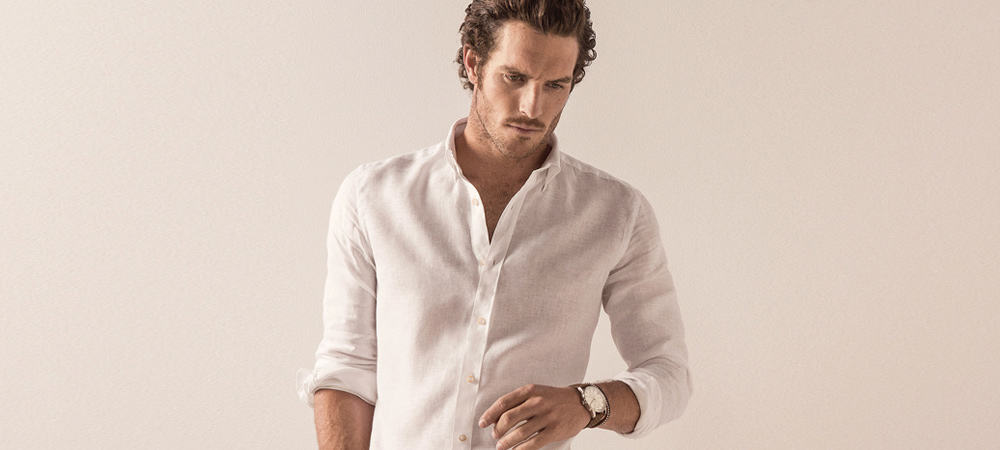
For example, lighter fabrics like linen crinkle easily and that’s hard to avoid, so embrace it, but ensuring your folded sleeves are neat and trim will avoid the look leaning into scruffiness. For smart dressers who worry a roll will take their look into overly casual territory, there’s options that show your roll is purposeful while also nailing practicality.
Context is also key – the roll you choose for an Oxford shirt that’s worn at the park may differ to one worn while attending an interview, for instance. These four rolls will allow you to dial the formality up or down while also allowing your arms to breathe in the warm weather.

Although it is seen as the classic, traditional way to roll up shirt sleeves, the military roll is often overlooked for a quick-fix. But this technique is simpler than you think and when executed correctly with military precision, will only aid the neatness of your look. If your cuffs have a patterned interior, this is a nice way of showing that off, too.
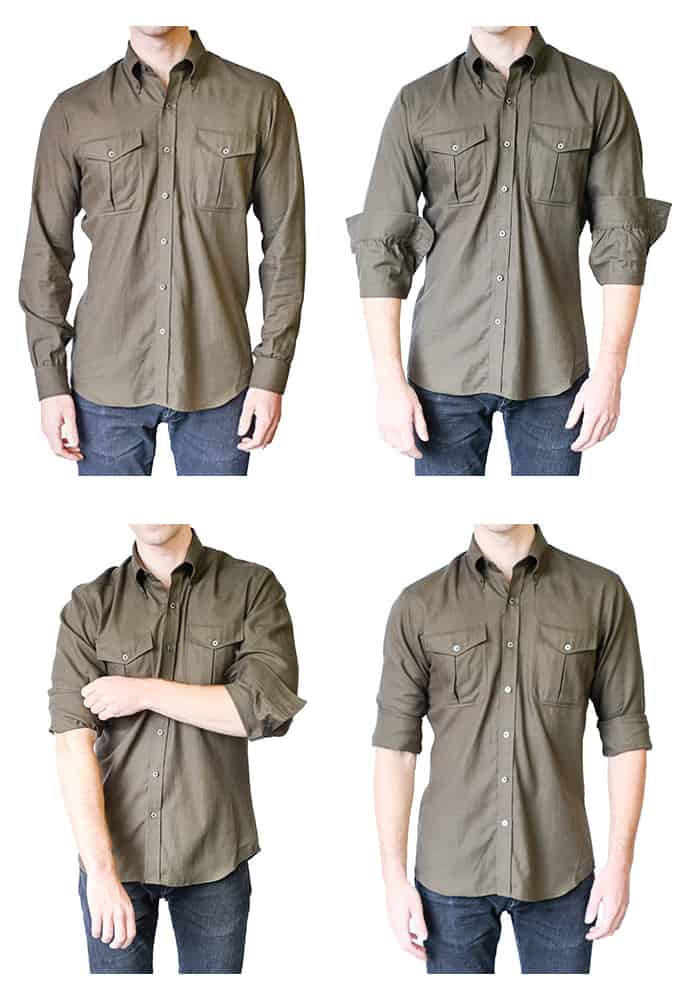

The most casual of rolls, the forearm roll is perfect for when you’re on-the-go as it can be achieved in seconds. This technique, which only reveals a third of your arm, gives your more-structured shirts a relaxed, off-duty feel and is subtle enough that it won’t hinder any intended smartness.


If you want to extend an invitation to the gun show to everyone in the vicinity, the high-roller technique is the one for you. Maybe you’ve got tattoo ideas you want to show off or you genuinely need to roll up your sleeves to get stuck into some manual labour; either way, it’s best achieved by rolling before putting on your shirt but if you’re already in the office, maybe that’s not the best idea.


Out of all of the techniques listed, this is the one you’d probably intuitively go to first. The clue is in the name – this is a simple and effective technique that works across all shirt types. Use it to its best ability on your long-sleeve casual shirts that boast wider arms, as plenty of fabric is needed to make this a comfortable choice.

Rolling up your sleeves is synonymous with hard work and getting the job done. So it’s a look that works especially well on flannel shirts and denim shirts – even if your 9-5 is at a bijou co-working space rather than a timber yard.
Rolling your sleeves may dress down an office outfit but that doesn’t mean you have to lose the tie at the same time. Just keep the rolls neat, symmetrical and no higher than the elbow.
Always use the same roll on both arms to avoid looking lopsided (and a bit lazy).
Unless it’s a French cuff, which is always rolled back and buttoned, rolling your shirt cuff back for just a single roll looks like a weird, unfinished, halfway house of a look.
While you get away with it at weddings once the speeches and photos are done and all the free wine is gone, rolling the sleeves at other formal occasions is a no-no. Never do it with black tie. Shirt, Turnbull & Asser; photography, Charlie Thomas

 10 September 2021
 Sam Higgins
We independently evaluate all recommended products and services. Any products or services put forward appear in no particular order. if you click on links we provide, we may receive compensation.
It seems simple, rolling your sleeves. But trust us, a sloppily-folded cuff can ruin even the most well-curated look. On the flip-side, a precision-perfect roll can make it. Whether it’s just sunny or you’re getting hot under the collar at work, being in the know with what technique works best for the shirt you’re wearing is more important than ever.
For example, lighter fabrics like linen crinkle easily and that’s hard to avoid, so embrace it, but ensuring your folded sleeves are neat and trim will avoid the look leaning into scruffiness. For smart dressers who worry a roll will take their look into overly casual territory, there’s options that show your roll is purposeful while also nailing practicality.
Context is also key – the roll you choose for an Oxford shirt that’s worn at the park may differ to one worn while attending an interview, for instance. These four rolls will allow you to dial the formality up or down while also allowing your arms to breathe in the warm weather.
Although it is seen as the classic, traditional way to roll up shirt sleeves, the military roll is often overlooked for a quick-fix. But this technique is simpler than you think and when executed correctly with military precision, will only aid the neatness of your look. If your cuffs have a patterned interior, this is a nice way of showing that off, too.
The most casual of rolls, the forearm roll is perfect for when you’re on-the-go as it can be achieved in seconds. This technique, which only reveals a third of your arm, gives your more-structured shirts a relaxed, off-duty feel and is subtle enough that it won’t hinder any intended smartness.
If you want to extend an invitation to the gun show to everyone in the vicinity, the high-roller technique is the one for you. Maybe you’ve got tattoo ideas you want to show off or you genuinely need to roll up your sleeves to get stuck into some manual labour; either way, it’s best achieved by rolling before putting on your shirt but if you’re already in the office, maybe that’s not the best idea.
Out of all of the techniques listed, this is the one you’d probably intuitively go to first. The clue is in the name – this is a simple and effective technique that works across all shirt types. Use it to its best ability on your long-sleeve casual shirts that boast wider arms, as plenty of fabric is needed to make this a comfortable choice.
Rolling up your sleeves is synonymous with hard work and getting the job done. So it’s a look that works especially well on flannel shirts and denim shirts – even if your 9-5 is at a bijou co-working space rather than a timber yard.
Rolling your sleeves may dress down an office outfit but that doesn’t mean you have to lose the tie at the same time. Just keep the rolls neat, symmetrical and no higher than the elbow.
Always use the same roll on both arms to avoid looking lopsided (and a bit lazy).
Unless it’s a French cuff, which is always rolled back and buttoned, rolling your shirt cuff back for just a single roll looks like a weird, unfinished, halfway house of a look.
While you get away with it at weddings once the speeches and photos are done and all the free wine is gone, rolling the sleeves at other formal occasions is a no-no. Never do it with black tie. Shirt, Turnbull & Asser; photography, Charlie Thomas


Get the latest Men's Style Advice, Evergreen Guides, Shopping Tips, and Exclusive Deals From Today's Top Brands.
We respect your privacy. We won't spam you.
Get the latest Men's Style Advice, Evergreen Guides, Shopping Tips, and Exclusive Deals From Today's Top Brands.
We respect your privacy. We won't spam you.
