


Get On The List
Get the latest Men's Style Advice, Evergreen Guides, Shopping Tips, and Exclusive Deals From Today's Top Brands.

 19 November 2025
 FashionBeans Editors
We independently evaluate all recommended products and services. Any products or services put forward appear in no particular order. if you click on links we provide, we may receive compensation.
Boxing has delivered some wild matchups over the years. But nothing in the sport’s modern era compares to the spectacle of Jake Paul stepping into the ring with Anthony Joshua.
One is a two-time heavyweight world champion and Olympic gold medallist, shaped by discipline and legacy.
The other is a YouTuber-turned-promoter-turned-fighter, shaped by disruption, entertainment and self-created momentum.
Beyond the power punches and press-conference theatrics, this fight represents something deeper – a collision of branding, style identity and how modern athletes build influence far beyond their sport.
In 2025, fighters don’t just sell their physicality.
They sell a world around them – image, fashion, mindset, lifestyle.
At the heart of Joshua vs Paul is a very real war of classic vs modern, athlete vs entertainer, legacy vs hype. The brands behind them tell that story better than anything.
Anthony Joshua is the blueprint of the modern heavyweight professional. His brand is built on discipline, prestige and broad mainstream appeal – and the companies around him reflect that.

Joshua has been one of Under Armour’s key global faces, fronting campaigns that highlight training, preparation and performance. The alignment is obvious:
Under Armour reinforces Joshua’s image as a dedicated, process-driven competitor – the guy who lives in the gym, not online.
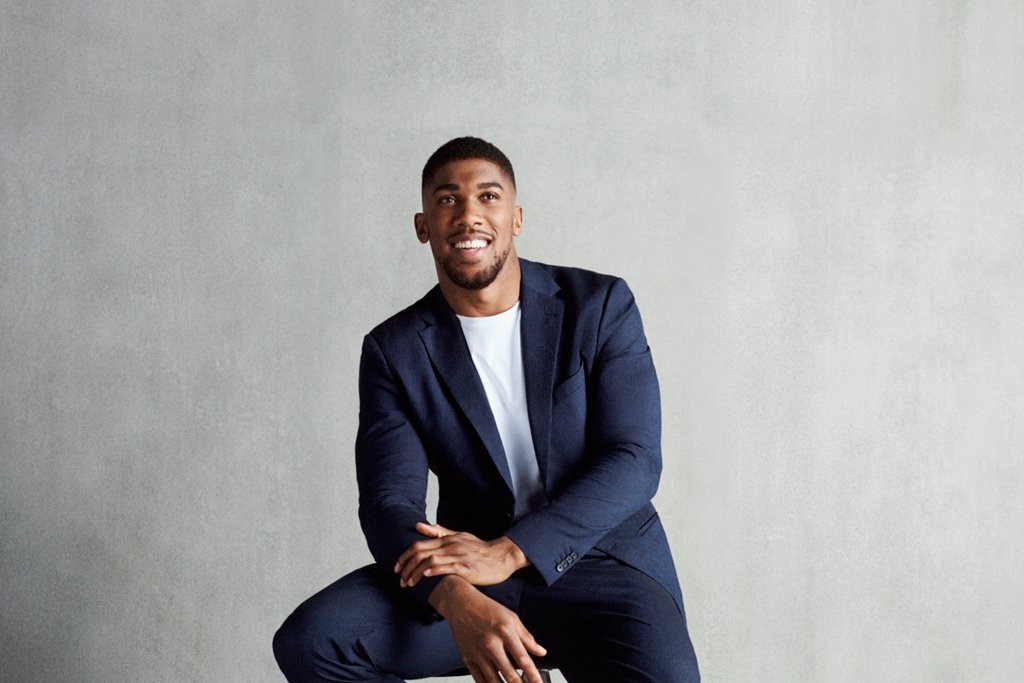
Where Under Armour owns Joshua’s performance side, Hugo Boss speaks to his off-duty and red carpet persona.
Sharp tailoring, clean lines, modern formalwear – Joshua in Boss communicates:
It’s a smart pairing: the heavyweight champion as a fully-formed style figure, just as comfortable in a tux at an awards show as he is in hand wraps in the gym.
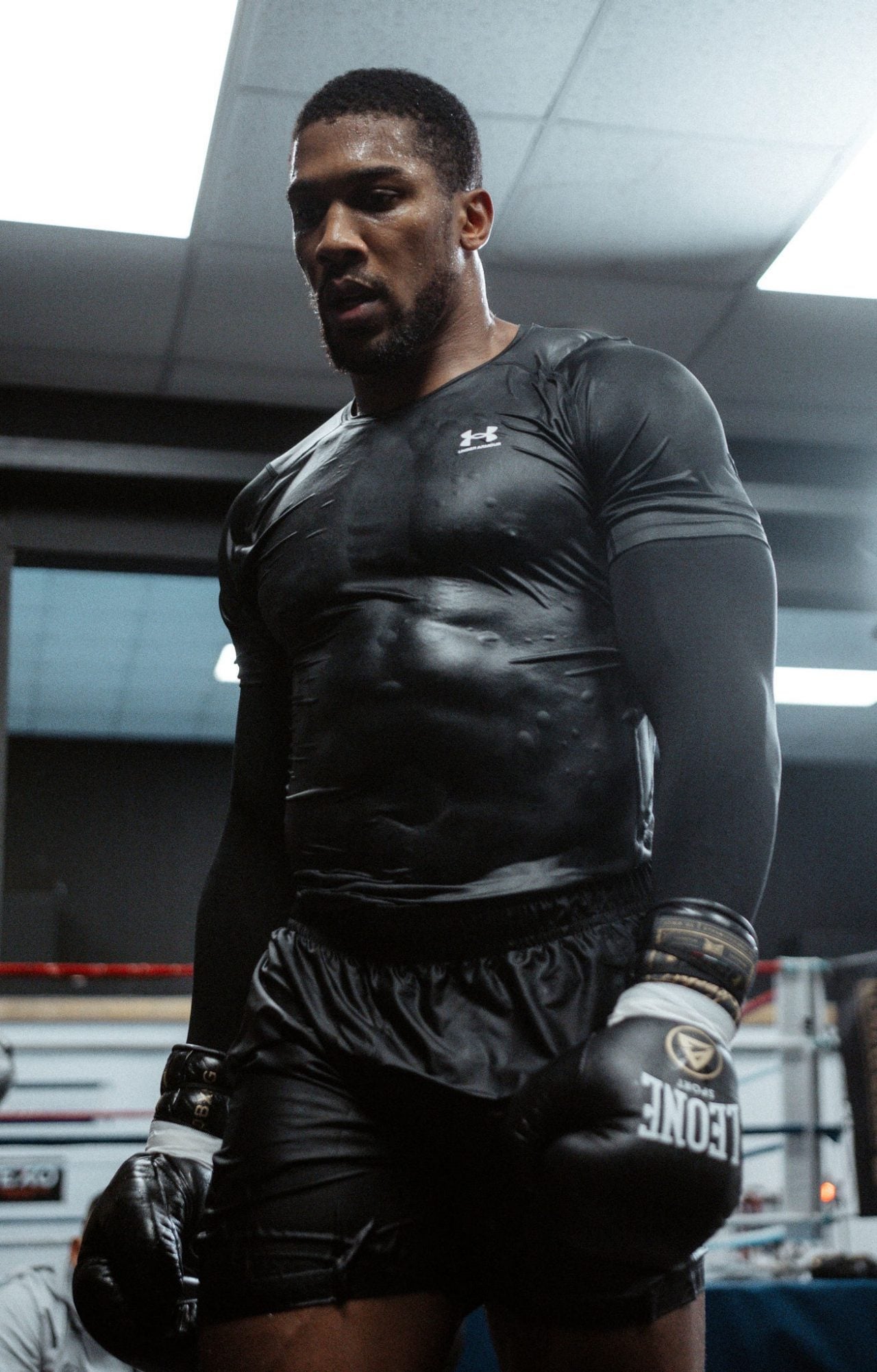
On the boxing side, Leone 1947 has long been associated with European combat sports – Italian craftsmanship, classic silhouettes, traditional gloves and equipment.
For a fighter like Joshua, gloves from a brand like Leone send a quiet message: respect for the lineage of the sport. It’s not loud, it’s not hype-driven, but it signals that he still sees boxing as a craft.
Joshua’s ecosystem looks like this:
It’s the world of a classic athlete – controlled, sponsor-backed, polished, and built for long-term legacy.
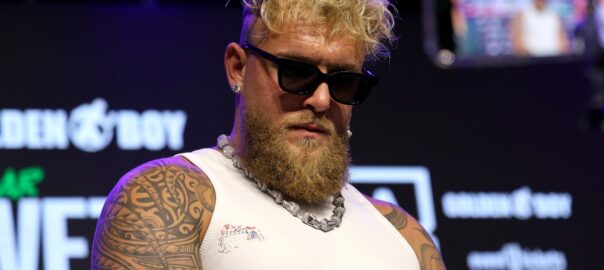
Jake Paul is the opposite side of the coin.
He didn’t come from the amateur system or Olympic stage. He came from YouTube thumbnails and viral clips – and then muscled his way into legitimate boxing conversations through sheer volume of work, self-belief and carefully curated chaos.
His brand world is different too.

Joshua partners with established giants.
Jake builds his own.
“W” by Jake Paul is not just merch – it’s clothing designed to live in the content ecosystem he controls:
He doesn’t just wear brands – he is one.
This is the creator-era model: rather than being the face of someone else’s campaign, you launch your own.
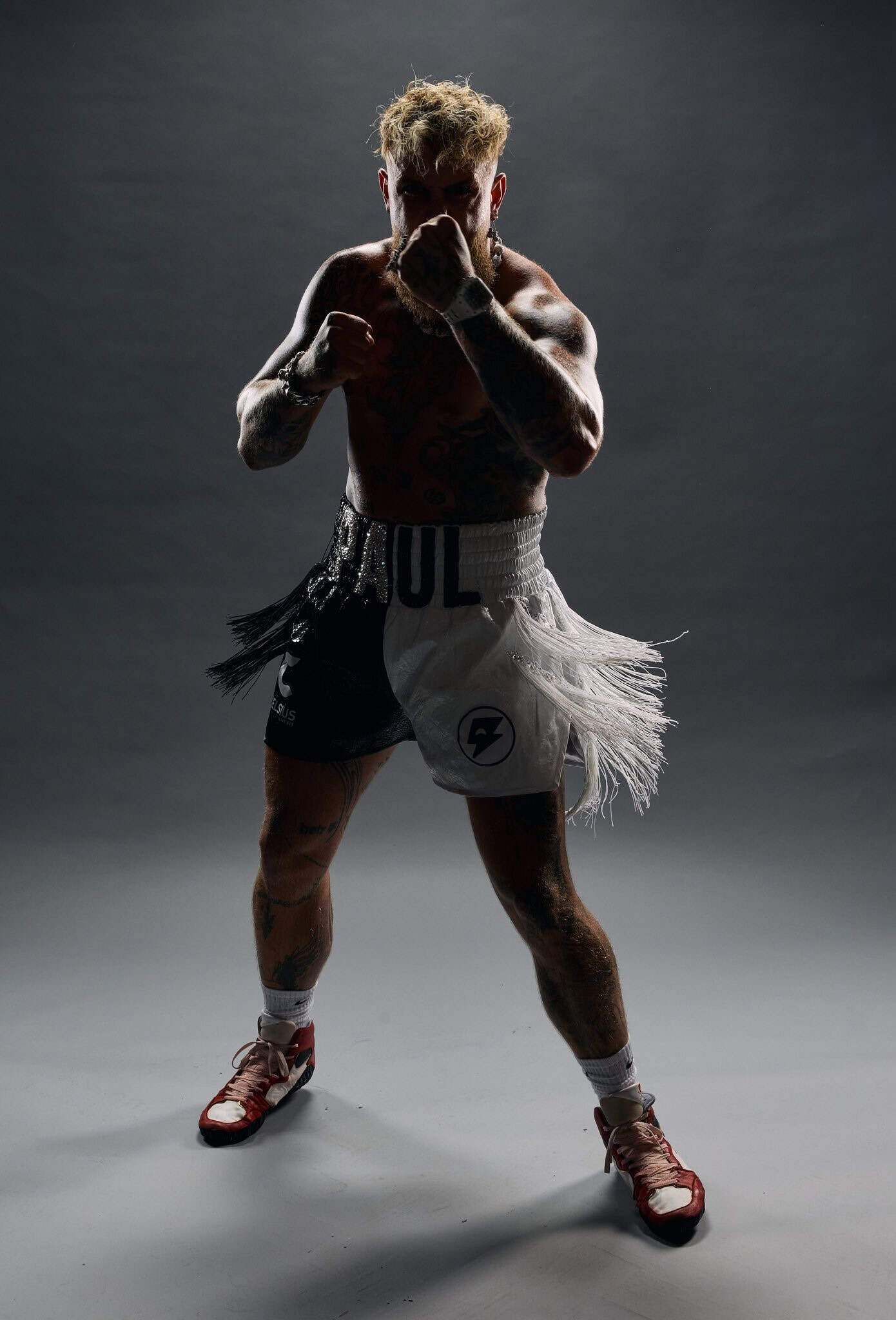
Despite the theatrics, Jake doesn’t cut corners on his equipment. He uses Grant – one of the most prestigious glove brands in boxing, trusted by names like Floyd Mayweather and Canelo Álvarez.
Grant is a subtle but important signal:
You might not like the route he took to get here, but the choice of gear shows he’s serious about where he is now.
Jake’s ecosystem looks more like this:
He’s not a traditional endorser. He’s a self-contained media and merchandise engine – part fighter, part showman, part brand architect.
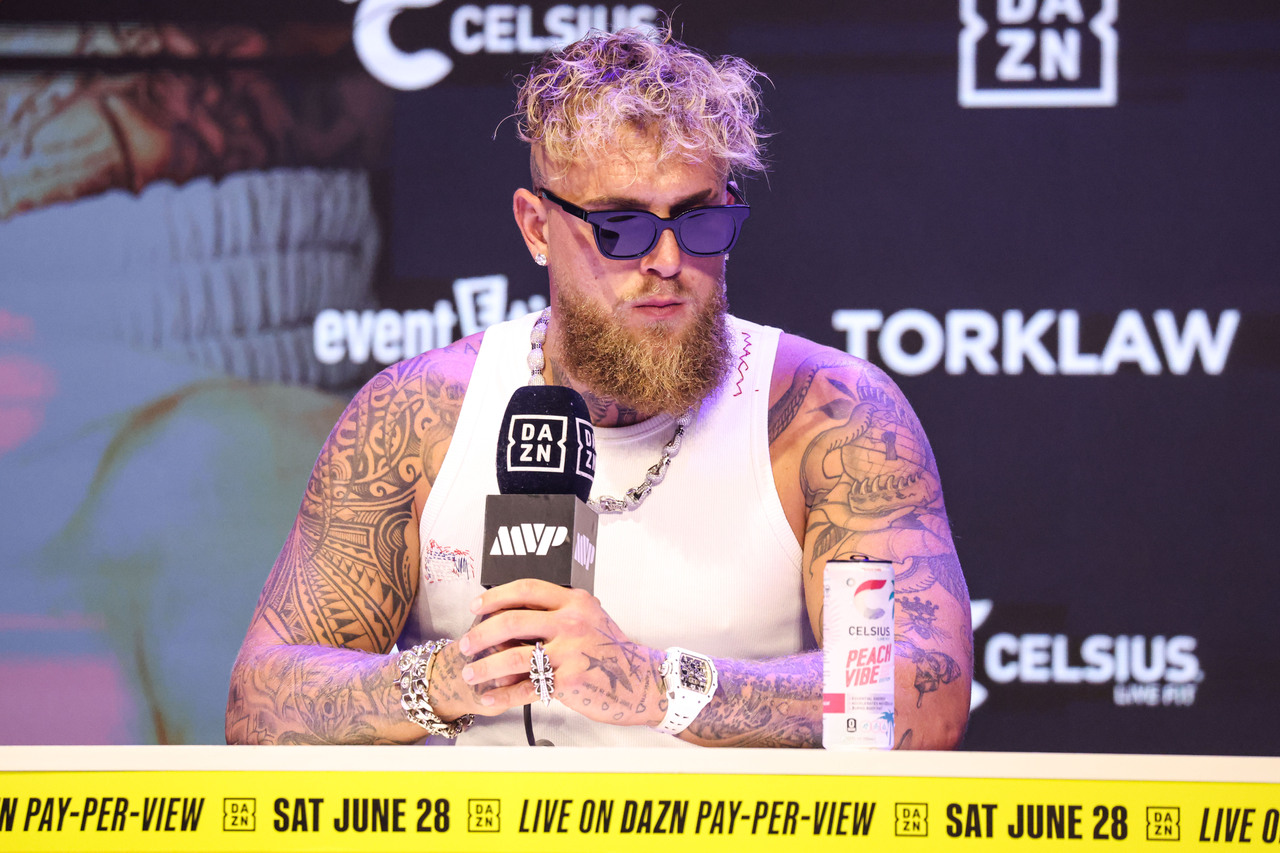
For brands, this matchup is a blueprint of where sports marketing is going.
Joshua proves there’s still huge value in classic athlete partnerships – disciplined, aspirational, grounded in performance.
Jake proves there’s different, equally powerful value in backing a disruptor – someone who can generate conversation, controversy and reach in ways traditional campaigns can’t.
The smartest brands will learn to speak to both worlds.
Whether it’s:
Boxing is once again shaping how men see themselves – strong, expressive, disciplined or disruptive. There’s massive opportunity for footwear, apparel and lifestyle brands to build around this moment.
In the Joshua vs Paul era, fighters are:
They’re not just wearing brands. They are brands.
That shift is exactly why a fight like this exists in the first place.

Jake Paul vs Anthony Joshua is a bizarre, fascinating, totally modern moment in boxing.
Classic vs modern.
Athlete vs entertainer.
Sponsor-backed legacy vs self-built brand.
And the logos in their corners tell you almost as much as the tale of the tape.
Joshua stands for the established order – the champion polished by global giants like Under Armour and Hugo Boss.
Paul stands for the new order – the entertainer who turned his own name into a label and stepped into the world of elite gear with Grant.
Whichever way the fight goes, one thing is clear:
The future of boxing won’t be written just on scorecards.
It’ll be written in brand decks, campaign visuals and the worlds each fighter builds around themselves.

The editorial team at FashionBeans is your trusted partner in redefining modern men’s style. Established in 2007, FashionBeans has evolved into a leading authority in men’s fashion, with millions of readers seeking practical advice, expert insights, and real-world inspiration for curating their wardrobe and lifestyle.
Our editorial team combines over 50 years of collective experience in fashion journalism, styling, and retail. Each editor brings specialized expertise—from luxury fashion and sustainable style to the latest grooming technology and fragrance science. With backgrounds ranging from GQ and Esquire to personal styling for celebrities, our team ensures every recommendation comes from a place of deep industry knowledge.
 19 November 2025
 FashionBeans Editors
We independently evaluate all recommended products and services. Any products or services put forward appear in no particular order. if you click on links we provide, we may receive compensation.
Boxing has delivered some wild matchups over the years. But nothing in the sport’s modern era compares to the spectacle of Jake Paul stepping into the ring with Anthony Joshua.
One is a two-time heavyweight world champion and Olympic gold medallist, shaped by discipline and legacy.
The other is a YouTuber-turned-promoter-turned-fighter, shaped by disruption, entertainment and self-created momentum.
Beyond the power punches and press-conference theatrics, this fight represents something deeper – a collision of branding, style identity and how modern athletes build influence far beyond their sport.
In 2025, fighters don’t just sell their physicality.
They sell a world around them – image, fashion, mindset, lifestyle.
At the heart of Joshua vs Paul is a very real war of classic vs modern, athlete vs entertainer, legacy vs hype. The brands behind them tell that story better than anything.
Anthony Joshua is the blueprint of the modern heavyweight professional. His brand is built on discipline, prestige and broad mainstream appeal – and the companies around him reflect that.
Joshua has been one of Under Armour’s key global faces, fronting campaigns that highlight training, preparation and performance. The alignment is obvious:
Under Armour reinforces Joshua’s image as a dedicated, process-driven competitor – the guy who lives in the gym, not online.
Where Under Armour owns Joshua’s performance side, Hugo Boss speaks to his off-duty and red carpet persona.
Sharp tailoring, clean lines, modern formalwear – Joshua in Boss communicates:
It’s a smart pairing: the heavyweight champion as a fully-formed style figure, just as comfortable in a tux at an awards show as he is in hand wraps in the gym.
On the boxing side, Leone 1947 has long been associated with European combat sports – Italian craftsmanship, classic silhouettes, traditional gloves and equipment.
For a fighter like Joshua, gloves from a brand like Leone send a quiet message: respect for the lineage of the sport. It’s not loud, it’s not hype-driven, but it signals that he still sees boxing as a craft.
Joshua’s ecosystem looks like this:
It’s the world of a classic athlete – controlled, sponsor-backed, polished, and built for long-term legacy.
Jake Paul is the opposite side of the coin.
He didn’t come from the amateur system or Olympic stage. He came from YouTube thumbnails and viral clips – and then muscled his way into legitimate boxing conversations through sheer volume of work, self-belief and carefully curated chaos.
His brand world is different too.
Joshua partners with established giants.
Jake builds his own.
“W” by Jake Paul is not just merch – it’s clothing designed to live in the content ecosystem he controls:
He doesn’t just wear brands – he is one.
This is the creator-era model: rather than being the face of someone else’s campaign, you launch your own.
Despite the theatrics, Jake doesn’t cut corners on his equipment. He uses Grant – one of the most prestigious glove brands in boxing, trusted by names like Floyd Mayweather and Canelo Álvarez.
Grant is a subtle but important signal:
You might not like the route he took to get here, but the choice of gear shows he’s serious about where he is now.
Jake’s ecosystem looks more like this:
He’s not a traditional endorser. He’s a self-contained media and merchandise engine – part fighter, part showman, part brand architect.
For brands, this matchup is a blueprint of where sports marketing is going.
Joshua proves there’s still huge value in classic athlete partnerships – disciplined, aspirational, grounded in performance.
Jake proves there’s different, equally powerful value in backing a disruptor – someone who can generate conversation, controversy and reach in ways traditional campaigns can’t.
The smartest brands will learn to speak to both worlds.
Whether it’s:
Boxing is once again shaping how men see themselves – strong, expressive, disciplined or disruptive. There’s massive opportunity for footwear, apparel and lifestyle brands to build around this moment.
In the Joshua vs Paul era, fighters are:
They’re not just wearing brands. They are brands.
That shift is exactly why a fight like this exists in the first place.
Jake Paul vs Anthony Joshua is a bizarre, fascinating, totally modern moment in boxing.
Classic vs modern.
Athlete vs entertainer.
Sponsor-backed legacy vs self-built brand.
And the logos in their corners tell you almost as much as the tale of the tape.
Joshua stands for the established order – the champion polished by global giants like Under Armour and Hugo Boss.
Paul stands for the new order – the entertainer who turned his own name into a label and stepped into the world of elite gear with Grant.
Whichever way the fight goes, one thing is clear:
The future of boxing won’t be written just on scorecards.
It’ll be written in brand decks, campaign visuals and the worlds each fighter builds around themselves.
The editorial team at FashionBeans is your trusted partner in redefining modern men’s style. Established in 2007, FashionBeans has evolved into a leading authority in men’s fashion, with millions of readers seeking practical advice, expert insights, and real-world inspiration for curating their wardrobe and lifestyle.
Our editorial team combines over 50 years of collective experience in fashion journalism, styling, and retail. Each editor brings specialized expertise—from luxury fashion and sustainable style to the latest grooming technology and fragrance science. With backgrounds ranging from GQ and Esquire to personal styling for celebrities, our team ensures every recommendation comes from a place of deep industry knowledge.


Get the latest Men's Style Advice, Evergreen Guides, Shopping Tips, and Exclusive Deals From Today's Top Brands.
We respect your privacy. We won't spam you.
Get the latest Men's Style Advice, Evergreen Guides, Shopping Tips, and Exclusive Deals From Today's Top Brands.
We respect your privacy. We won't spam you.
