


Get On The List
Get the latest Men's Style Advice, Evergreen Guides, Shopping Tips, and Exclusive Deals From Today's Top Brands.

 19 November 2025
 FashionBeans Editors
We independently evaluate all recommended products and services. Any products or services put forward appear in no particular order. if you click on links we provide, we may receive compensation.
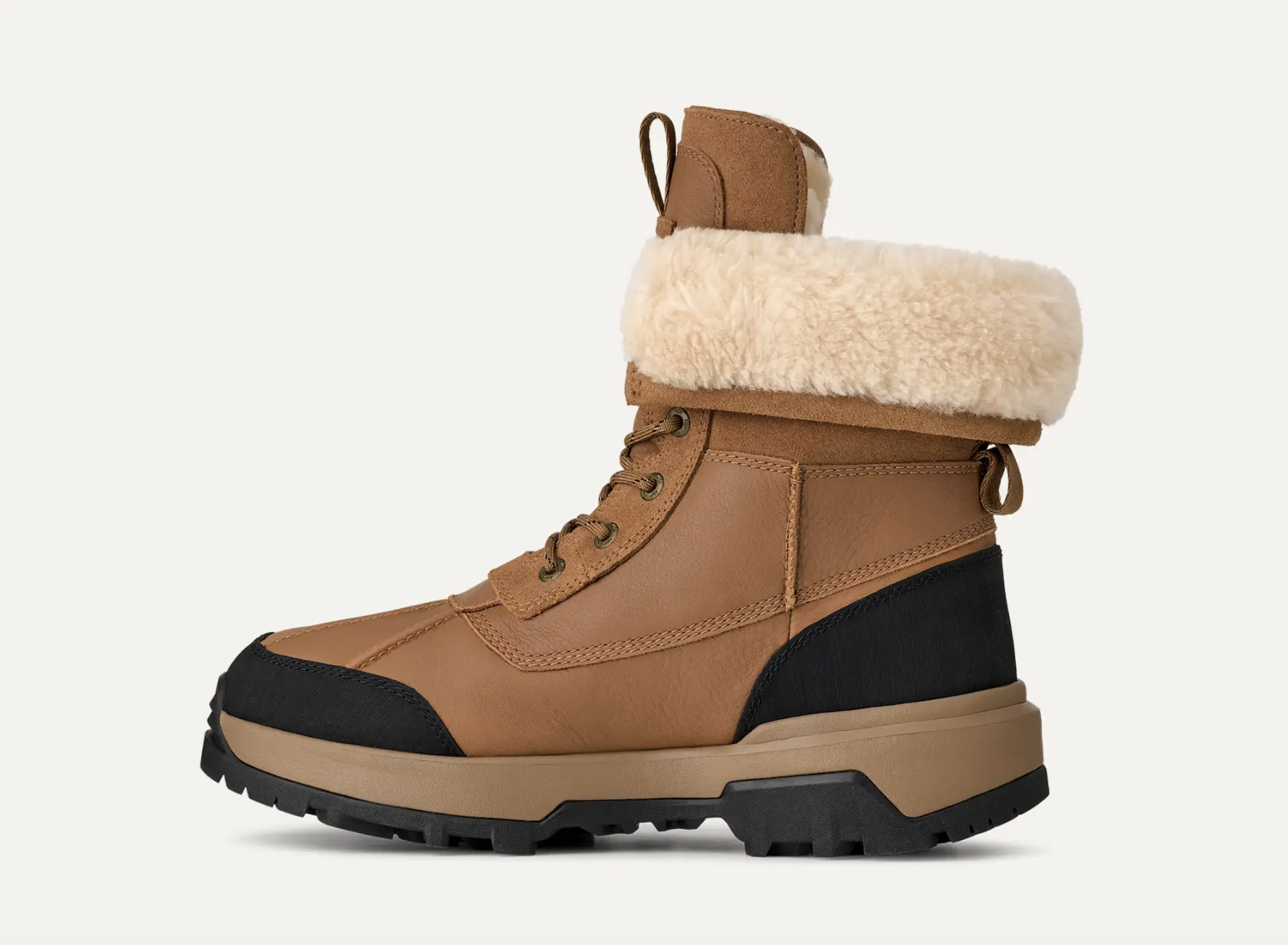
If you are the type of guy who checks specs before dropping 250 dollars on boots, the UGG Adirondack Boot XXV is one of those models worth a proper look. On paper it sits somewhere between a fashion boot and full winter gear. In reality it behaves much closer to the second.
This is the men’s Adirondack XXV, the current anniversary version that combines elements of the original Adirondack and the Butte boot.
Most “winter” boots in the fashion lane start with decent leather and add a warm lining. The Adirondack goes several steps further.
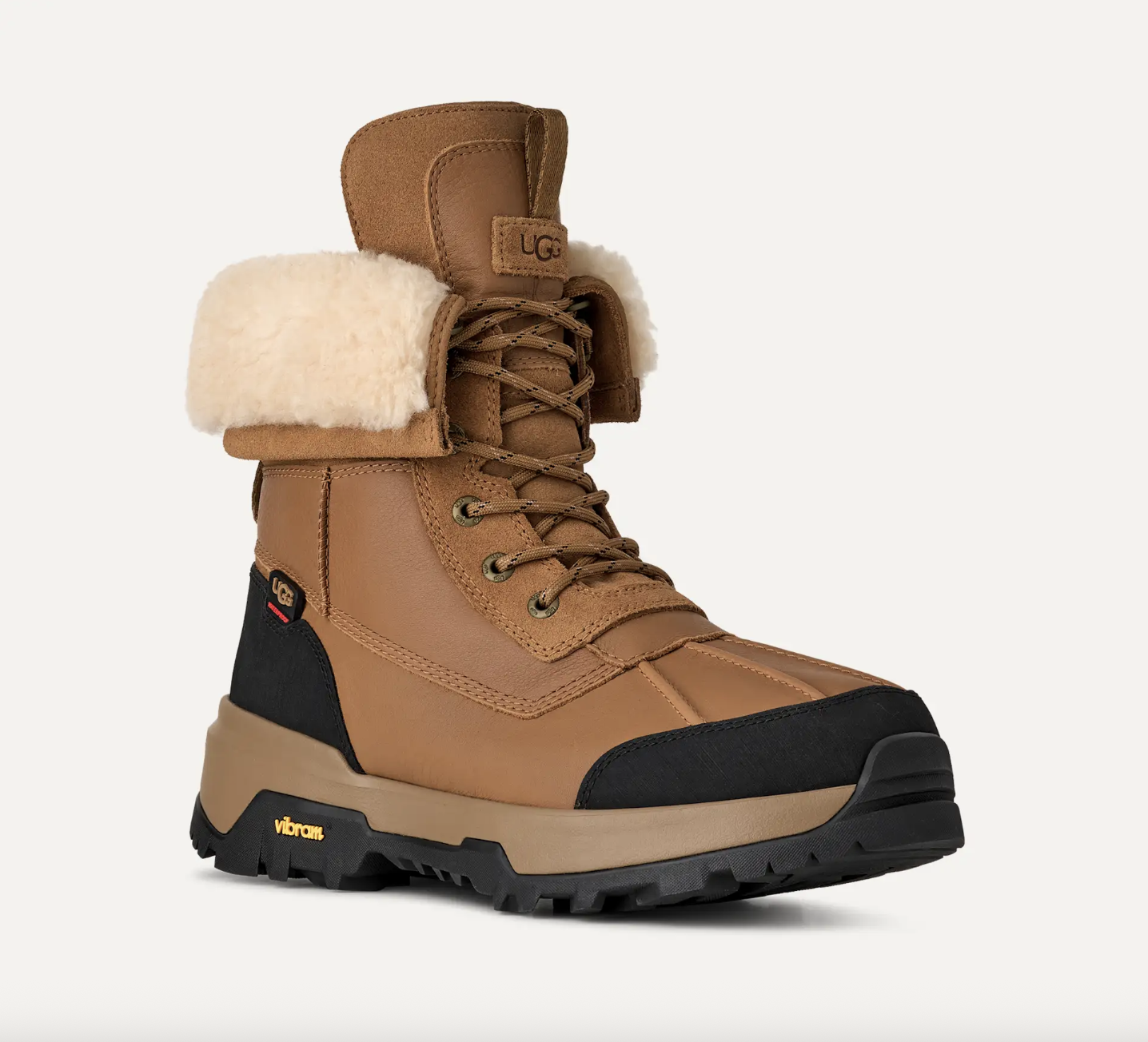
Most fashion boots will give you leather and maybe some fleece. This is closer to a purpose-built snow boot that happens to look good with normal clothes.
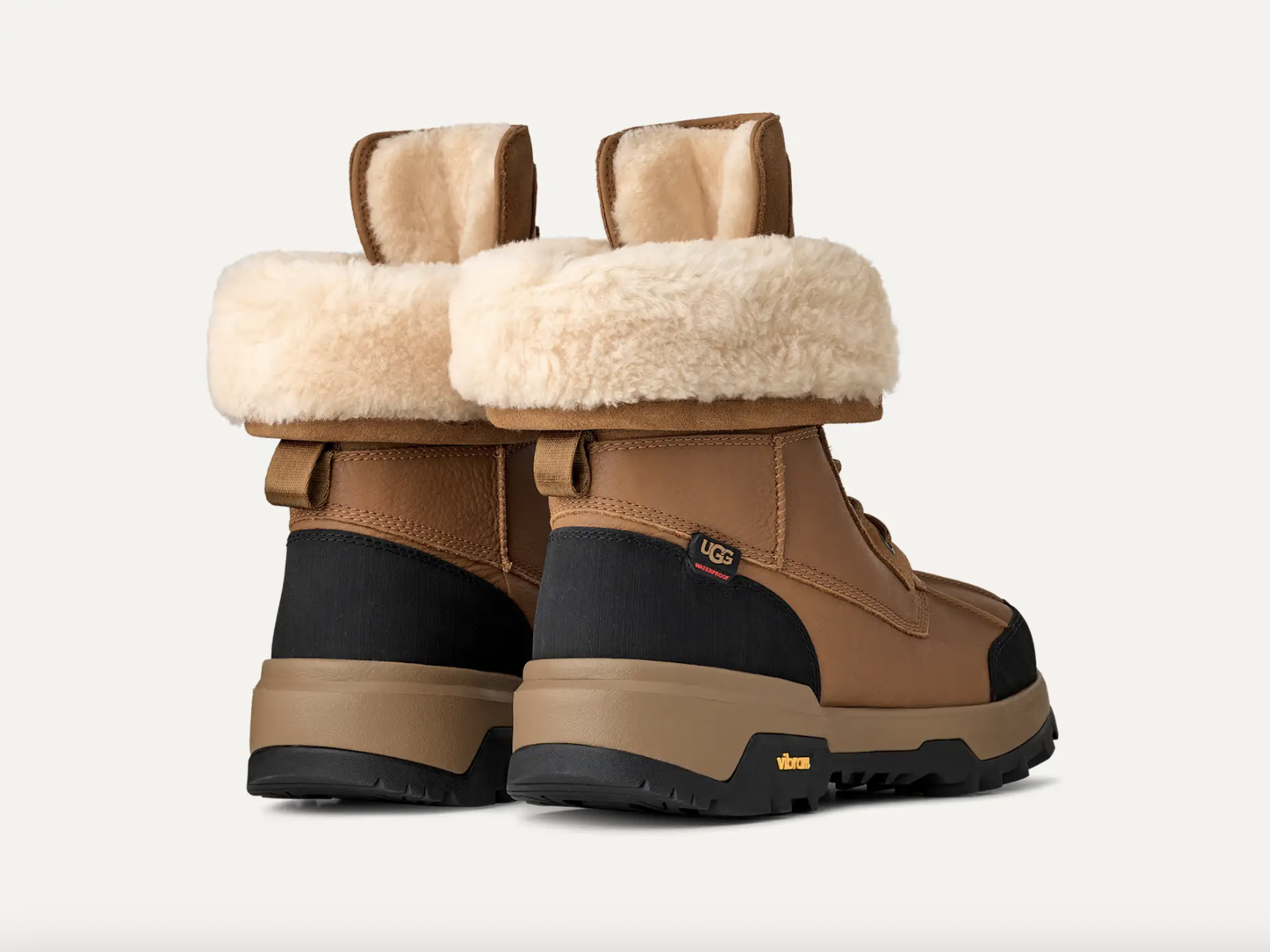
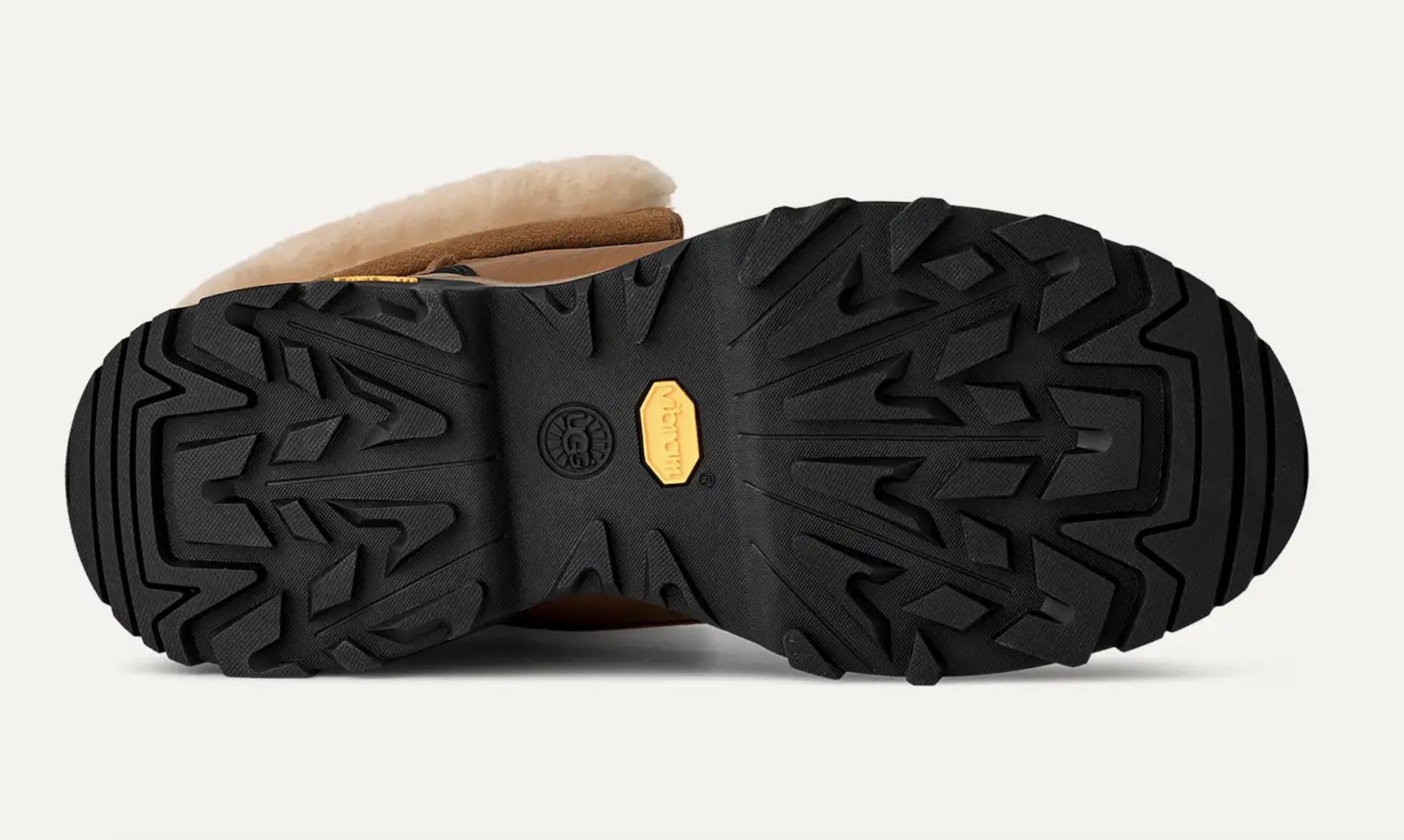
Underfoot, the Adirondack uses a Vibram outsole with ICETREK rubber, designed to stay flexible and grippy when the temperature drops.
That matters in three ways:
If you are used to basic rubber soles on casual boots, the difference in winter confidence is noticeable.
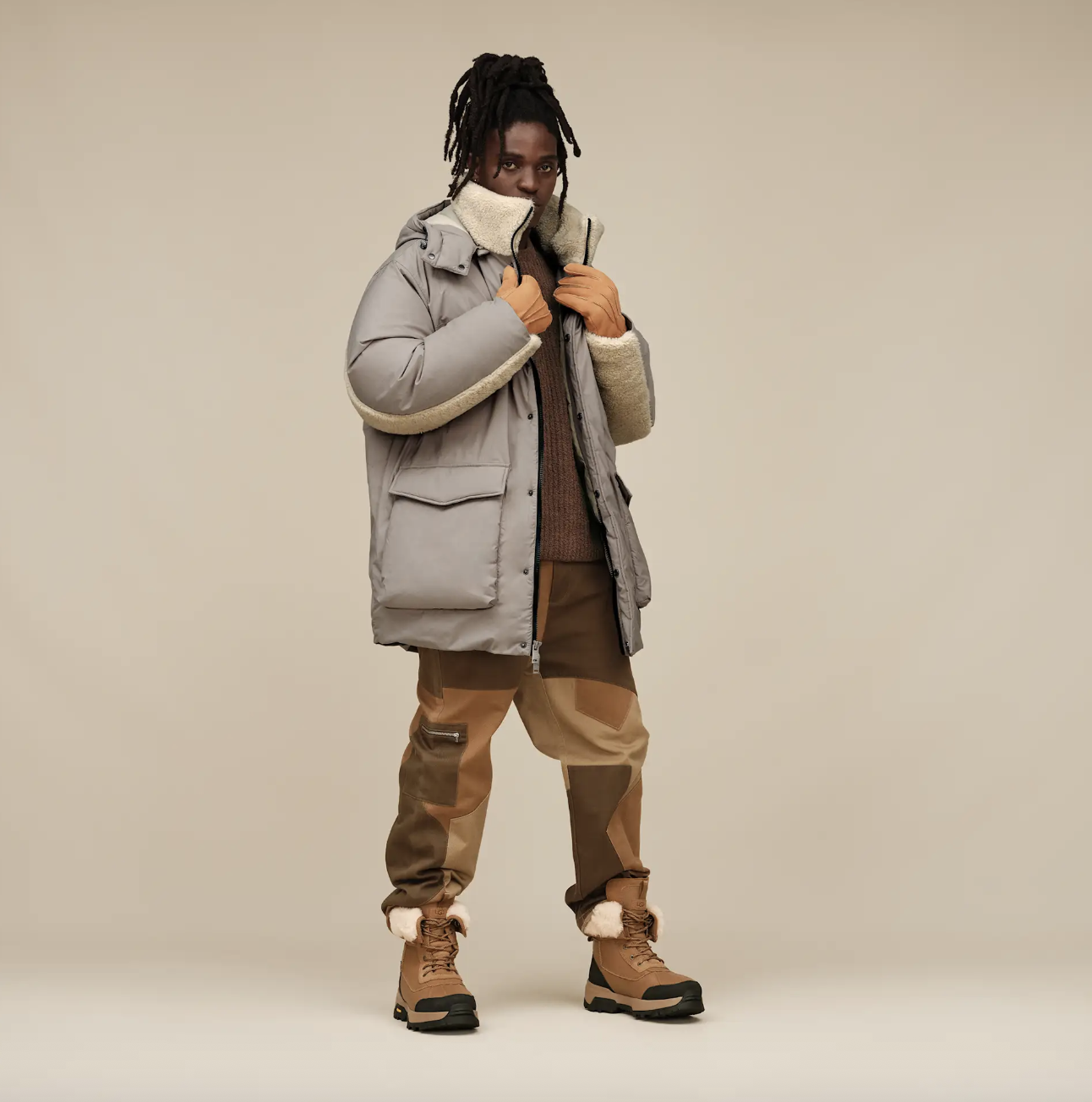
The men’s Adirondack XXV runs true to size for most feet, with a medium width and enough volume for a thicker winter sock. Retailers note that some versions of the Adirondack line can feel snug at first, especially with all the insulation packed in.
If you are between sizes or plan on heavy socks, going up half a size is a safe move.
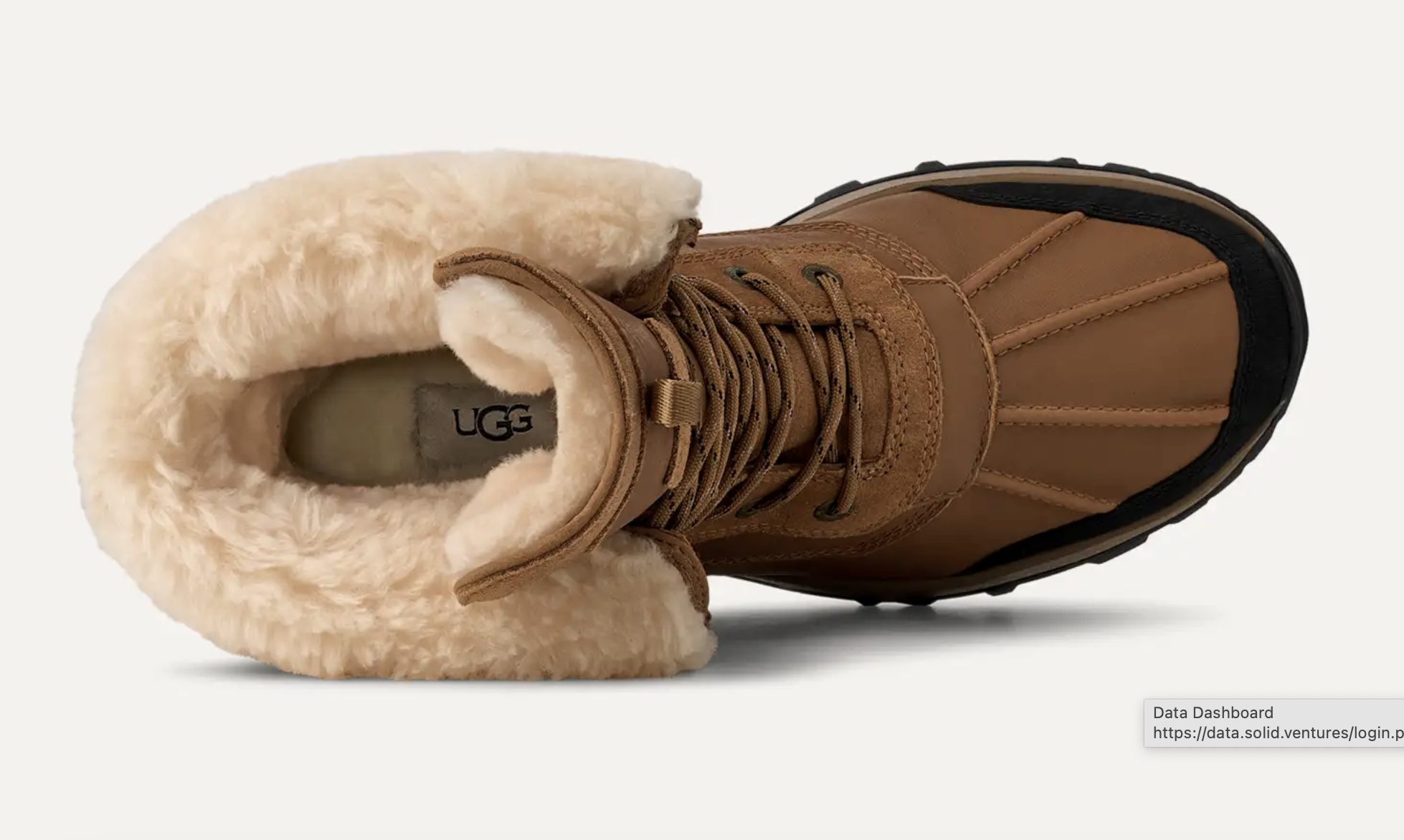
A lot of men default to work boots or hiking boots once winter hits. The Adirondack sits in a different lane.
Compared to a typical work boot:
Compared to a hiking boot:
You are getting more true winter performance than a fashion boot, with a look that blends into everyday outfits better than most hardcore outdoor models.
The Adirondack XXV is overbuilt for mild winters, which is exactly why it shines in harsher ones. Think about it for:
Where it is less ideal: warm indoor offices all day or mild climates where you spend most of winter in light rain rather than snow. In those cases a weather-ready sneaker or lighter boot will feel less overbuilt.
At around 250 dollars, the men’s UGG Adirondack XXV is not an impulse buy. It does make sense if:
If your winter is more drizzle than blizzard, you can save money with a lighter style. If your winter involves frozen sidewalks, unplowed side streets, and long dog walks, the Adirondack is the kind of boot that justifies the research and the spend.

The editorial team at FashionBeans is your trusted partner in redefining modern men’s style. Established in 2007, FashionBeans has evolved into a leading authority in men’s fashion, with millions of readers seeking practical advice, expert insights, and real-world inspiration for curating their wardrobe and lifestyle.
Our editorial team combines over 50 years of collective experience in fashion journalism, styling, and retail. Each editor brings specialized expertise—from luxury fashion and sustainable style to the latest grooming technology and fragrance science. With backgrounds ranging from GQ and Esquire to personal styling for celebrities, our team ensures every recommendation comes from a place of deep industry knowledge.
 19 November 2025
 FashionBeans Editors
We independently evaluate all recommended products and services. Any products or services put forward appear in no particular order. if you click on links we provide, we may receive compensation.
If you are the type of guy who checks specs before dropping 250 dollars on boots, the UGG Adirondack Boot XXV is one of those models worth a proper look. On paper it sits somewhere between a fashion boot and full winter gear. In reality it behaves much closer to the second.
This is the men’s Adirondack XXV, the current anniversary version that combines elements of the original Adirondack and the Butte boot.
Most “winter” boots in the fashion lane start with decent leather and add a warm lining. The Adirondack goes several steps further.
Most fashion boots will give you leather and maybe some fleece. This is closer to a purpose-built snow boot that happens to look good with normal clothes.
Underfoot, the Adirondack uses a Vibram outsole with ICETREK rubber, designed to stay flexible and grippy when the temperature drops.
That matters in three ways:
If you are used to basic rubber soles on casual boots, the difference in winter confidence is noticeable.
The men’s Adirondack XXV runs true to size for most feet, with a medium width and enough volume for a thicker winter sock. Retailers note that some versions of the Adirondack line can feel snug at first, especially with all the insulation packed in.
If you are between sizes or plan on heavy socks, going up half a size is a safe move.
A lot of men default to work boots or hiking boots once winter hits. The Adirondack sits in a different lane.
Compared to a typical work boot:
Compared to a hiking boot:
You are getting more true winter performance than a fashion boot, with a look that blends into everyday outfits better than most hardcore outdoor models.
The Adirondack XXV is overbuilt for mild winters, which is exactly why it shines in harsher ones. Think about it for:
Where it is less ideal: warm indoor offices all day or mild climates where you spend most of winter in light rain rather than snow. In those cases a weather-ready sneaker or lighter boot will feel less overbuilt.
At around 250 dollars, the men’s UGG Adirondack XXV is not an impulse buy. It does make sense if:
If your winter is more drizzle than blizzard, you can save money with a lighter style. If your winter involves frozen sidewalks, unplowed side streets, and long dog walks, the Adirondack is the kind of boot that justifies the research and the spend.
The editorial team at FashionBeans is your trusted partner in redefining modern men’s style. Established in 2007, FashionBeans has evolved into a leading authority in men’s fashion, with millions of readers seeking practical advice, expert insights, and real-world inspiration for curating their wardrobe and lifestyle.
Our editorial team combines over 50 years of collective experience in fashion journalism, styling, and retail. Each editor brings specialized expertise—from luxury fashion and sustainable style to the latest grooming technology and fragrance science. With backgrounds ranging from GQ and Esquire to personal styling for celebrities, our team ensures every recommendation comes from a place of deep industry knowledge.


Get the latest Men's Style Advice, Evergreen Guides, Shopping Tips, and Exclusive Deals From Today's Top Brands.
We respect your privacy. We won't spam you.
Get the latest Men's Style Advice, Evergreen Guides, Shopping Tips, and Exclusive Deals From Today's Top Brands.
We respect your privacy. We won't spam you.
