


Get On The List
Get the latest Men's Style Advice, Evergreen Guides, Shopping Tips, and Exclusive Deals From Today's Top Brands.
 16 November 2026
 FashionBeans Editors
We independently evaluate all recommended products and services. Any products or services put forward appear in no particular order. if you click on links we provide, we may receive compensation.
You have saved the restaurants. Bookmarked the hotel. Spent an unreasonable amount of time deciding where to get coffee.
Then you arrive in a new city and spend your shopping afternoon walking past shops you could have visited at home.
Somewhere nearby, there might be a vintage shop with a particularly good eye for outerwear. An independent boutique introducing designers you have never encountered. A small clothing store that someone local would have recommended, if only you had known whom to ask.
The idea behind weaRu? began with exactly that kind of missed opportunity.
After returning from a trip, Irish founder John O’Connor was asked by a colleague whether he had visited a particular store. It sounded exactly his kind of place. It had been just two streets off the main street.
He had come home without knowing it existed.
It is a familiar frustration. Someone mentions a place after your trip, shows you a photograph and tells you how much you would have loved it. You look up the address. You were around the corner. You might even have walked past the end of the street.
Now you are home, wishing someone had told you while you were still there.
O’Connor kept thinking about what a missed shop could mean: a designer he might never discover, a conversation he would never have, a piece he might have worn for years.
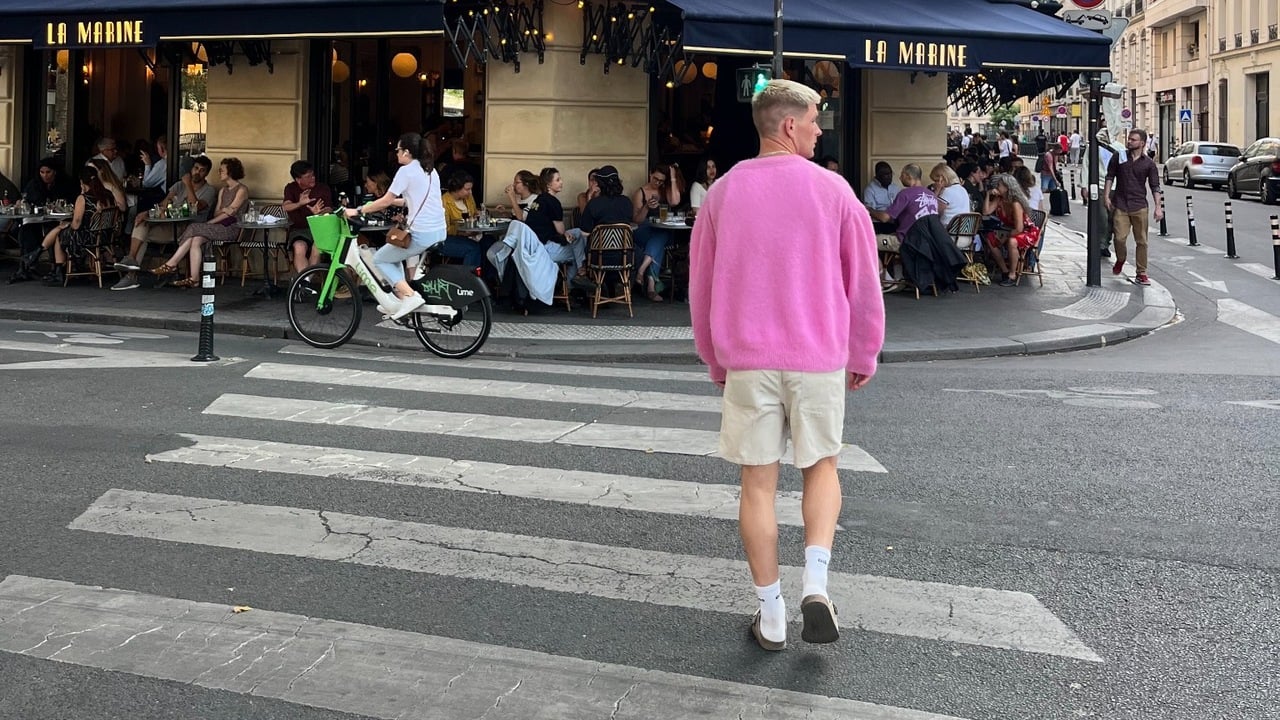
Other trips gave him those moments. Walking through Paris brought the pleasure of finding somewhere he had never intended to go, then knowing he would remember it long after returning home. In Milan, following a dog down an alleyway led him to a sneaker store. He got talking to the owner, they exchanged Instagram accounts, and a chance detour became a connection that lasted beyond the visit.
That feeling became the reason for weaRu?. The excitement of stepping into somewhere unfamiliar and meeting someone who cares deeply about what they do. Finding a place you want to tell a friend about. Coming home with an answer when someone asks, “Where did you get that?”
Now available on the App Store, the free iPhone app brings together a curated selection of fashion, vintage, concept and homeware destinations across 12 European cities. Users can find shops nearby, save the places they want to remember and follow walking directions to the door.
The premise is straightforward: help more people find those places while they still have the chance to walk inside.
The wider opportunity is more interesting. At a time when another purchase is always within reach, perhaps there is value in putting a little more thought into where we go shopping in the first place.
Finding somewhere to buy clothes is rarely the difficult part of a city break. Finding somewhere that reflects your taste can take considerably more effort.
A saved social post might have disappeared into a folder. A recommendation might refer to a different branch. A promising name might turn out to be a showroom rather than somewhere you can walk in and browse.
weaRu? approaches the problem through selection.
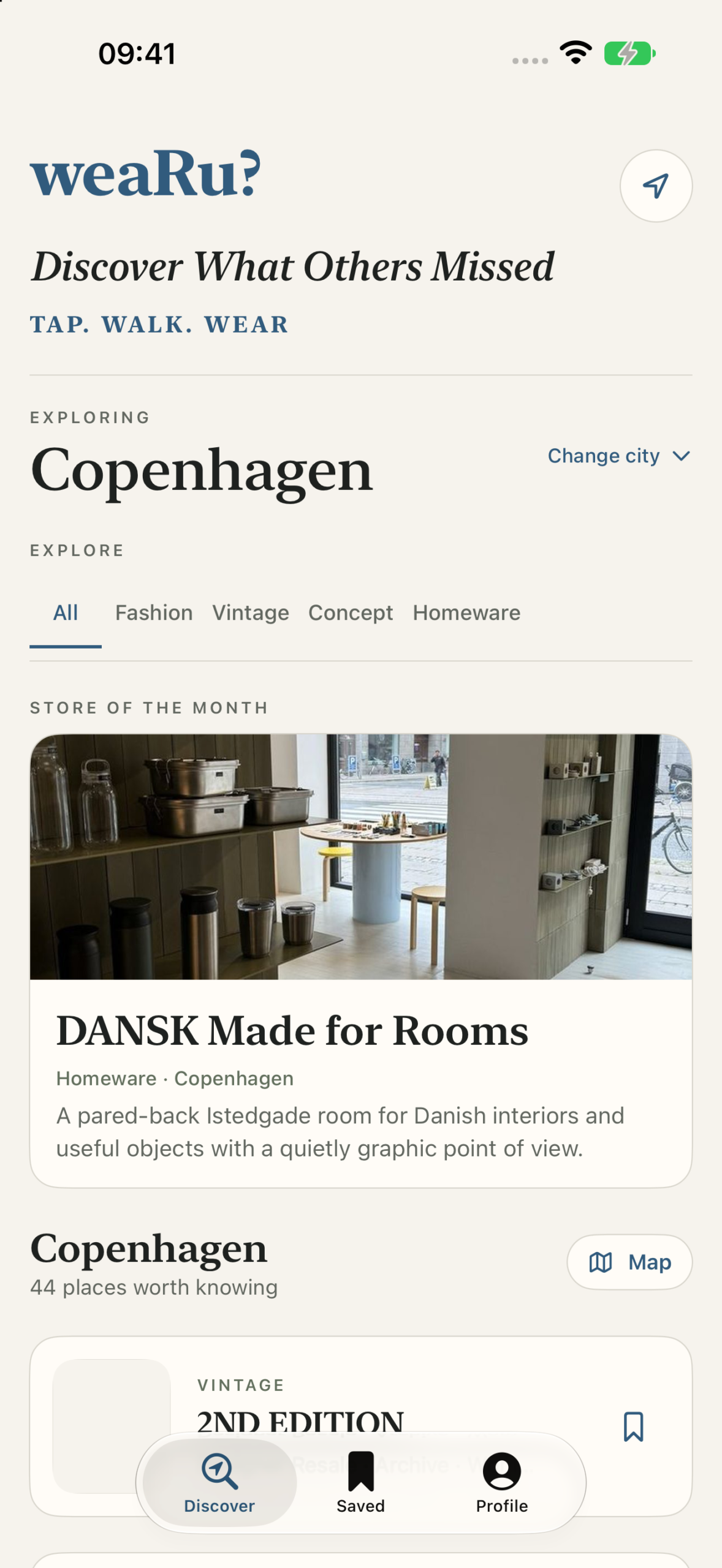
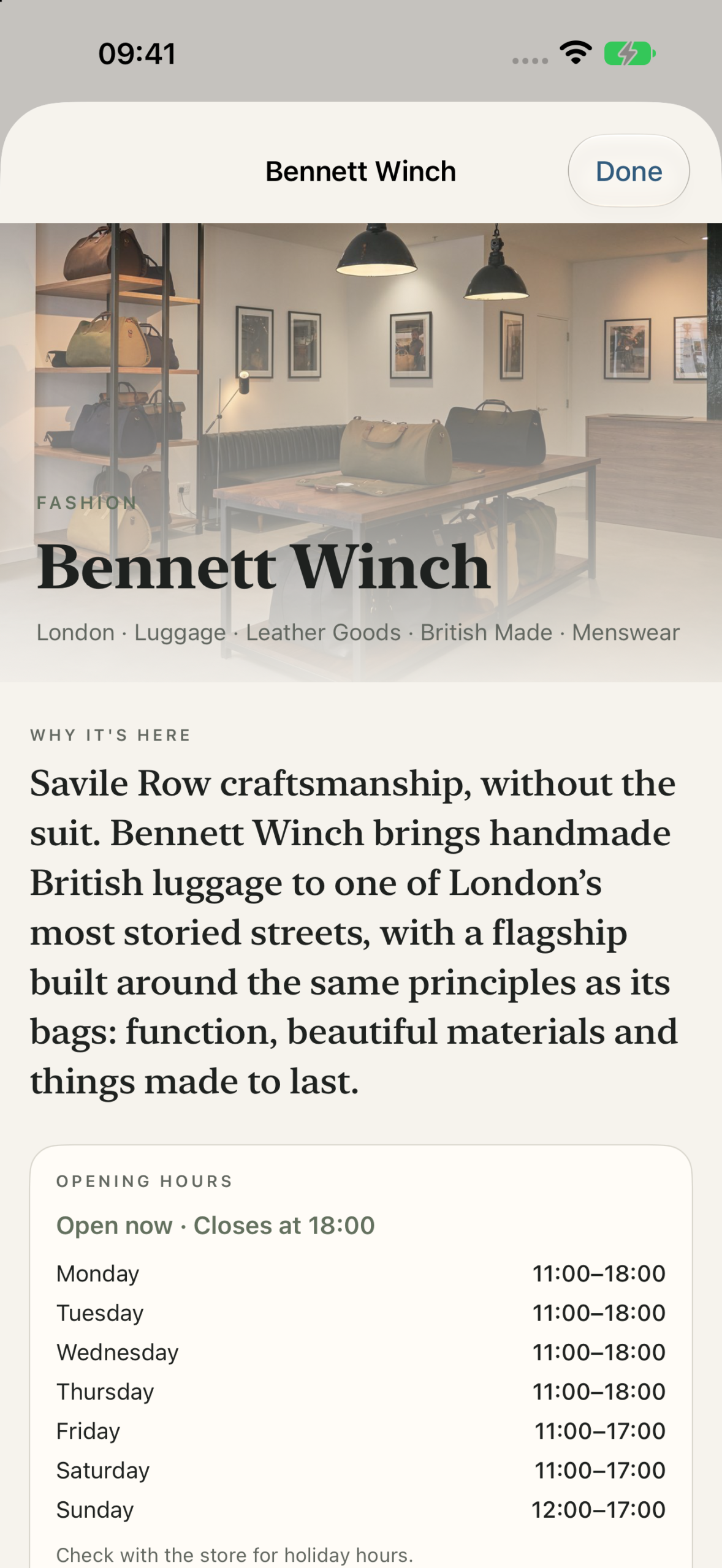
Its editorial remit includes independent boutiques, vintage and archive destinations, concept stores and distinctive brand-owned shops. Familiar high-street chains and major luxury houses sit outside that remit.
That leaves room for places with a particular point of view: a tightly chosen rail, an unusual mix of labels or a physical space that makes the visit worthwhile.
For anyone interested in personal style, that distinction matters. A good shop can introduce you to a different way of dressing. You might discover a cut you had overlooked, a label you had never tried or an older piece that makes your existing wardrobe feel more interesting.
The value of the visit can outlast the purchase. Sometimes, it can come from trying something on and realising exactly what you are looking for.
The environmental case for changing our relationship with clothing is substantial.
According to the European Environment Agency, average EU consumption of clothing, footwear and household textiles increased from 17 kilograms per person in 2019 to 19 kilograms in 2022. The agency identifies longer use, reuse and repair among the changes needed to reduce the sector’s environmental pressures.
Those are large challenges. At wardrobe level, however, they often come down to quite ordinary decisions.
Will you wear this jacket regularly? Can the trousers be altered? Would a secondhand version serve you just as well? Is the thing you already own actually the better option?
A shop visit gives those questions some space.
You can feel the cloth, look at the lining, check the seams and see how a garment moves on your body. You can ask about its construction or condition. You can leave, think about it and return later.
Vintage shopping makes that process particularly tangible. A piece has already had a life before it reaches your wardrobe. Finding something you want to keep wearing offers a practical way to participate in reuse.
weaRu?’s sustainability relevance sits in making those destinations easier to discover. Its selection includes opportunities to explore vintage and to look beyond the most obvious retail options.
A listing is an editorial choice, with no environmental certification attached. Independent ownership alone cannot tell you how a garment was made, and buying something secondhand still deserves a moment’s consideration.
The useful question is what happens after you find it: whether it becomes something you wear, maintain and keep.
There is another reason to explore beyond the familiar shopping route: it makes travelling more rewarding.
A city begins to feel different when you have a reason to walk into a neighbourhood you had not planned to visit. A shop can become the starting point for an afternoon: somewhere to browse, followed by a café, a bookshop or a street you would otherwise have missed.
Clothing can hold that experience particularly well.
A jacket bought during a trip may remind you of the afternoon you found it. A vintage shirt can carry a story before you even add your own. An unfamiliar label can become something you return to for years.
That does not make the purchase environmentally responsible by itself. It can, however, give you a reason to value it beyond the moment of buying it.
For O’Connor, the people inside those shops are part of the attraction. He talks about meeting owners with an exceptional eye for clothes who lack the advertising budgets to make themselves easily discoverable. Helping someone find their door can also introduce them to the person, the knowledge and the enthusiasm behind the selection.
His ambition is simple: give visitors the chance to “be a local for the day.”
weaRu? currently covers Amsterdam, Antwerp, Barcelona, Berlin, Copenhagen, Dublin, Lisbon, London, Milan, Paris, Porto and Stockholm.

The app gives travellers a starting point in each city, while leaving the experience of discovery where it belongs: outside, on foot, through the door.
One of the more useful changes we can make as shoppers is to stop treating every browsing trip as something that needs to end in a transaction.
Trying on a coat might clarify the shape you want. Looking through a vintage rail might reveal which fabrics you are drawn to. A conversation in a shop might help you understand why something fits poorly or what could be altered.
You can take that knowledge home without taking another garment.
When something does catch your eye, a few questions can help:
Can you picture wearing it with clothes you already own? Does it fit the life you actually lead? Would you still want it without the excitement of finding it on holiday?
A considered wardrobe develops through those decisions. Price, provenance and materials all deserve attention, alongside the simple likelihood that you will reach for the piece again.
For a discovery app, encouraging that kind of judgement is a more credible sustainability opportunity than treating every additional purchase as progress.
The Irish identity behind weaRu? gives the launch a local story. The problem it addresses will be familiar to anyone who has tried to find somewhere interesting to shop in an unfamiliar city.
There is plenty of information available. The work is in deciding which places deserve your time.
weaRu?’s answer is a curated fashion map, built around destinations with a reason to visit. Browsing is available without creating an account, and users can keep separate records of places they have saved and visited.
Its potential will ultimately depend on the quality of that selection and the usefulness of the experience on the street.
For fashion readers, the immediate appeal is easy to understand: arrive somewhere new with a better starting point than a search for the nearest shopping centre.
For more considered consumption, the opportunity is quieter. Discover an alternative. Look closely. Ask a question. Give yourself time to decide.
The feeling O’Connor wants to share is the one that stayed with him from his own travels: finding somewhere unexpected, meeting someone who cares about what they do and coming home with a story worth telling.
A wardrobe you care about can begin with a shop you almost walked past.
weaRu? is available free for iPhone on the App Store.
Disclosure: This article was prepared with input from weaRu? founder John O’Connor.

The editorial team at FashionBeans is your trusted partner in redefining modern men’s style. Established in 2007, FashionBeans has evolved into a leading authority in men’s fashion, with millions of readers seeking practical advice, expert insights, and real-world inspiration for curating their wardrobe and lifestyle.
Our editorial team combines over 50 years of collective experience in fashion journalism, styling, and retail. Each editor brings specialized expertise—from luxury fashion and sustainable style to the latest grooming technology and fragrance science. With backgrounds ranging from GQ and Esquire to personal styling for celebrities, our team ensures every recommendation comes from a place of deep industry knowledge.
 16 November 2026
 FashionBeans Editors
We independently evaluate all recommended products and services. Any products or services put forward appear in no particular order. if you click on links we provide, we may receive compensation.
You have saved the restaurants. Bookmarked the hotel. Spent an unreasonable amount of time deciding where to get coffee.
Then you arrive in a new city and spend your shopping afternoon walking past shops you could have visited at home.
Somewhere nearby, there might be a vintage shop with a particularly good eye for outerwear. An independent boutique introducing designers you have never encountered. A small clothing store that someone local would have recommended, if only you had known whom to ask.
The idea behind weaRu? began with exactly that kind of missed opportunity.
After returning from a trip, Irish founder John O’Connor was asked by a colleague whether he had visited a particular store. It sounded exactly his kind of place. It had been just two streets off the main street.
He had come home without knowing it existed.
It is a familiar frustration. Someone mentions a place after your trip, shows you a photograph and tells you how much you would have loved it. You look up the address. You were around the corner. You might even have walked past the end of the street.
Now you are home, wishing someone had told you while you were still there.
O’Connor kept thinking about what a missed shop could mean: a designer he might never discover, a conversation he would never have, a piece he might have worn for years.
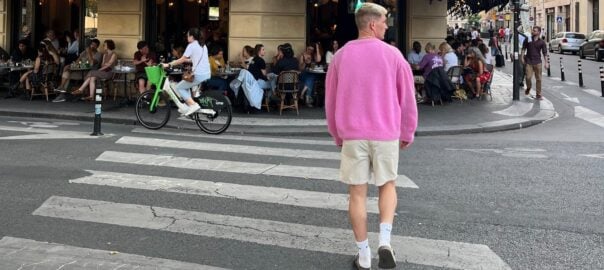
Other trips gave him those moments. Walking through Paris brought the pleasure of finding somewhere he had never intended to go, then knowing he would remember it long after returning home. In Milan, following a dog down an alleyway led him to a sneaker store. He got talking to the owner, they exchanged Instagram accounts, and a chance detour became a connection that lasted beyond the visit.
That feeling became the reason for weaRu?. The excitement of stepping into somewhere unfamiliar and meeting someone who cares deeply about what they do. Finding a place you want to tell a friend about. Coming home with an answer when someone asks, “Where did you get that?”
Now available on the App Store, the free iPhone app brings together a curated selection of fashion, vintage, concept and homeware destinations across 12 European cities. Users can find shops nearby, save the places they want to remember and follow walking directions to the door.
The premise is straightforward: help more people find those places while they still have the chance to walk inside.
The wider opportunity is more interesting. At a time when another purchase is always within reach, perhaps there is value in putting a little more thought into where we go shopping in the first place.
Finding somewhere to buy clothes is rarely the difficult part of a city break. Finding somewhere that reflects your taste can take considerably more effort.
A saved social post might have disappeared into a folder. A recommendation might refer to a different branch. A promising name might turn out to be a showroom rather than somewhere you can walk in and browse.
weaRu? approaches the problem through selection.
Its editorial remit includes independent boutiques, vintage and archive destinations, concept stores and distinctive brand-owned shops. Familiar high-street chains and major luxury houses sit outside that remit.
That leaves room for places with a particular point of view: a tightly chosen rail, an unusual mix of labels or a physical space that makes the visit worthwhile.
For anyone interested in personal style, that distinction matters. A good shop can introduce you to a different way of dressing. You might discover a cut you had overlooked, a label you had never tried or an older piece that makes your existing wardrobe feel more interesting.
The value of the visit can outlast the purchase. Sometimes, it can come from trying something on and realising exactly what you are looking for.
The environmental case for changing our relationship with clothing is substantial.
According to the European Environment Agency, average EU consumption of clothing, footwear and household textiles increased from 17 kilograms per person in 2019 to 19 kilograms in 2022. The agency identifies longer use, reuse and repair among the changes needed to reduce the sector’s environmental pressures.
Those are large challenges. At wardrobe level, however, they often come down to quite ordinary decisions.
Will you wear this jacket regularly? Can the trousers be altered? Would a secondhand version serve you just as well? Is the thing you already own actually the better option?
A shop visit gives those questions some space.
You can feel the cloth, look at the lining, check the seams and see how a garment moves on your body. You can ask about its construction or condition. You can leave, think about it and return later.
Vintage shopping makes that process particularly tangible. A piece has already had a life before it reaches your wardrobe. Finding something you want to keep wearing offers a practical way to participate in reuse.
weaRu?’s sustainability relevance sits in making those destinations easier to discover. Its selection includes opportunities to explore vintage and to look beyond the most obvious retail options.
A listing is an editorial choice, with no environmental certification attached. Independent ownership alone cannot tell you how a garment was made, and buying something secondhand still deserves a moment’s consideration.
The useful question is what happens after you find it: whether it becomes something you wear, maintain and keep.
There is another reason to explore beyond the familiar shopping route: it makes travelling more rewarding.
A city begins to feel different when you have a reason to walk into a neighbourhood you had not planned to visit. A shop can become the starting point for an afternoon: somewhere to browse, followed by a café, a bookshop or a street you would otherwise have missed.
Clothing can hold that experience particularly well.
A jacket bought during a trip may remind you of the afternoon you found it. A vintage shirt can carry a story before you even add your own. An unfamiliar label can become something you return to for years.
That does not make the purchase environmentally responsible by itself. It can, however, give you a reason to value it beyond the moment of buying it.
For O’Connor, the people inside those shops are part of the attraction. He talks about meeting owners with an exceptional eye for clothes who lack the advertising budgets to make themselves easily discoverable. Helping someone find their door can also introduce them to the person, the knowledge and the enthusiasm behind the selection.
His ambition is simple: give visitors the chance to “be a local for the day.”
weaRu? currently covers Amsterdam, Antwerp, Barcelona, Berlin, Copenhagen, Dublin, Lisbon, London, Milan, Paris, Porto and Stockholm.
The app gives travellers a starting point in each city, while leaving the experience of discovery where it belongs: outside, on foot, through the door.
One of the more useful changes we can make as shoppers is to stop treating every browsing trip as something that needs to end in a transaction.
Trying on a coat might clarify the shape you want. Looking through a vintage rail might reveal which fabrics you are drawn to. A conversation in a shop might help you understand why something fits poorly or what could be altered.
You can take that knowledge home without taking another garment.
When something does catch your eye, a few questions can help:
Can you picture wearing it with clothes you already own? Does it fit the life you actually lead? Would you still want it without the excitement of finding it on holiday?
A considered wardrobe develops through those decisions. Price, provenance and materials all deserve attention, alongside the simple likelihood that you will reach for the piece again.
For a discovery app, encouraging that kind of judgement is a more credible sustainability opportunity than treating every additional purchase as progress.
The Irish identity behind weaRu? gives the launch a local story. The problem it addresses will be familiar to anyone who has tried to find somewhere interesting to shop in an unfamiliar city.
There is plenty of information available. The work is in deciding which places deserve your time.
weaRu?’s answer is a curated fashion map, built around destinations with a reason to visit. Browsing is available without creating an account, and users can keep separate records of places they have saved and visited.
Its potential will ultimately depend on the quality of that selection and the usefulness of the experience on the street.
For fashion readers, the immediate appeal is easy to understand: arrive somewhere new with a better starting point than a search for the nearest shopping centre.
For more considered consumption, the opportunity is quieter. Discover an alternative. Look closely. Ask a question. Give yourself time to decide.
The feeling O’Connor wants to share is the one that stayed with him from his own travels: finding somewhere unexpected, meeting someone who cares about what they do and coming home with a story worth telling.
A wardrobe you care about can begin with a shop you almost walked past.
weaRu? is available free for iPhone on the App Store.
Disclosure: This article was prepared with input from weaRu? founder John O’Connor.
The editorial team at FashionBeans is your trusted partner in redefining modern men’s style. Established in 2007, FashionBeans has evolved into a leading authority in men’s fashion, with millions of readers seeking practical advice, expert insights, and real-world inspiration for curating their wardrobe and lifestyle.
Our editorial team combines over 50 years of collective experience in fashion journalism, styling, and retail. Each editor brings specialized expertise—from luxury fashion and sustainable style to the latest grooming technology and fragrance science. With backgrounds ranging from GQ and Esquire to personal styling for celebrities, our team ensures every recommendation comes from a place of deep industry knowledge.


Get the latest Men's Style Advice, Evergreen Guides, Shopping Tips, and Exclusive Deals From Today's Top Brands.
We respect your privacy. We won't spam you.
Get the latest Men's Style Advice, Evergreen Guides, Shopping Tips, and Exclusive Deals From Today's Top Brands.
We respect your privacy. We won't spam you.
