


Get On The List
Get the latest Men's Style Advice, Evergreen Guides, Shopping Tips, and Exclusive Deals From Today's Top Brands.

 02 June 2015
 Gabriel Weil
We independently evaluate all recommended products and services. Any products or services put forward appear in no particular order. if you click on links we provide, we may receive compensation.
Have you ever thought about the first impressions you make?
On a first date, at a business meeting, or during any other kind of interpersonal exchange, your age, gender, ethnicity, posture, voice and numerous other features – varying depending on the observer – come together to produce a subjective, abstract and sometimes, unfortunately, unfair impression of you. This whole process happens as quickly as one tenth of a second, after which it becomes much more difficult to impress otherwise or fix anything that went wrong.
Yes, it seems unjust, but isn’t it better to know exactly what you’re dealing with? From the condition of your hair to the state of your shoes, each component of your image contributes to how you’re perceived each day.
So, how do you ensure you’re received warmly, rather than pointedly dismissed, by your more style savvy peers?
The answer is texture, gentlemen. Texture – whether the supple smoothness of a nappa leather jacket or the resinous effect of a sweatshirt’s painted shoulder – is what separates the men from the boys.
By definition, texture is the feel, appearance or consistency of a surface or substance. In fashion, it may come from a material’s natural appearance or the way it has been treated (woven, printed, covered, embossed, etc.) for a functional or aesthetic purpose.
A bit like a fine wine, the richer and more complex the texture, the greater the degree of attention you capture, whether that’s a double-take of appreciation from a passer-by or someone so intrigued they can’t help but cop a feel.
With this in mind, check out some of the best ways you can add eye-catching 3D interest to your warm-weather ensembles this season:
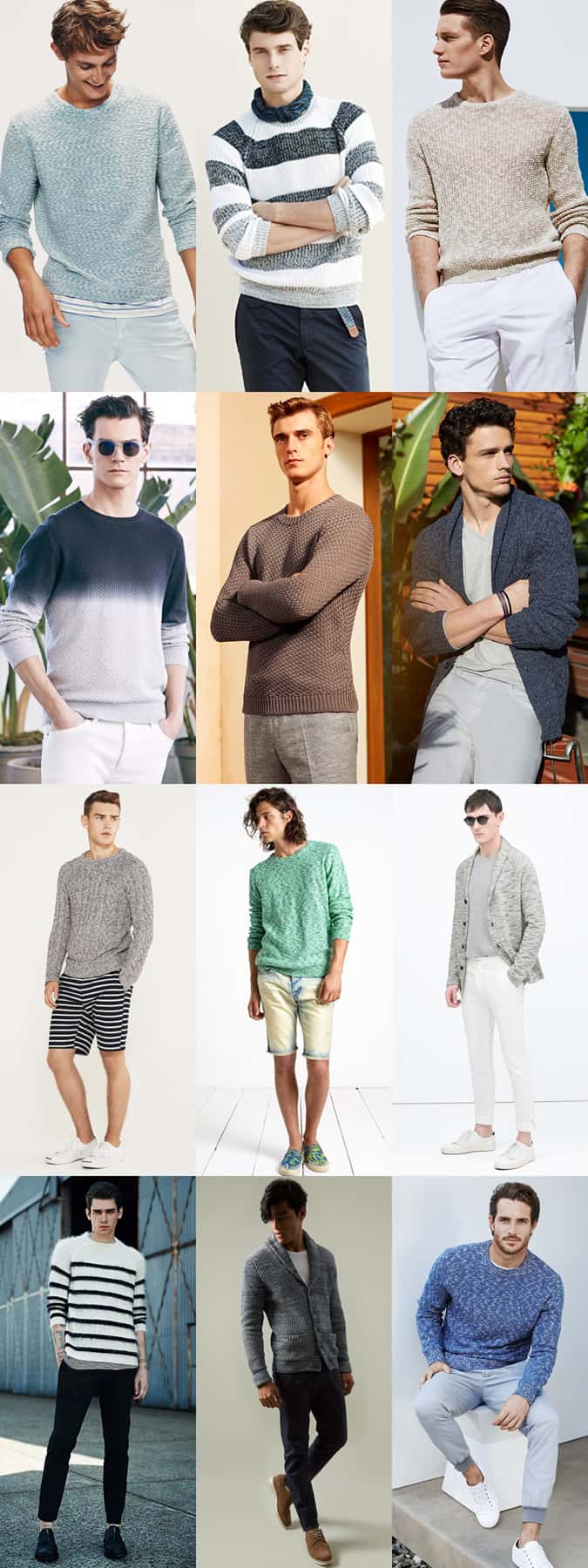
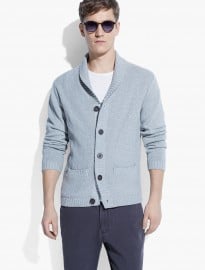
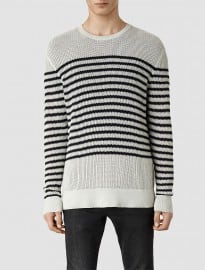
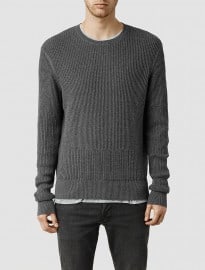
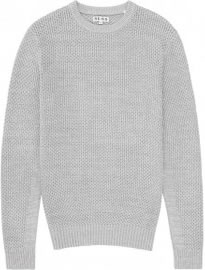
Just because the sun is splitting the rocks outside, it doesn’t mean you can’t take advantage of knitted textures. Cable, ribbed and waffle knit jumpers and cardigans in season-appropriate gauges are well suited to summer wardrobes in need of some textural enrichment, and especially good for throwing on over the top of a vest or tee once the evening draws in.
As well as keeping your eye out for those designs in a finer gauge, you’ll also need to consider material. 100 per cent cotton, cotton-linen and cotton-silk blends are the breathable, lightweight fabrications that will allow you to harness knitwear’s distinctive texture for the warmer months of the year, without running the risk of overheating.
Like you would with your cold-weather knits, take some time to check that the jumper or cardigan you’re about to invest in is carefully crafted – i.e. tightly rather than loosely woven.
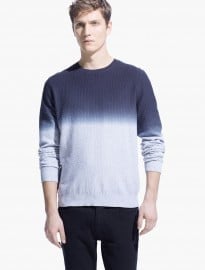
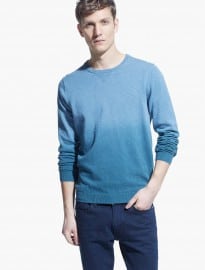
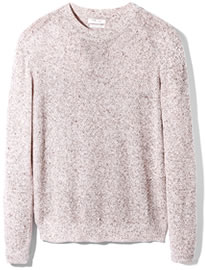
Other features that will help bring additional depth and character to your warm-weather knitwear include dip-dye or ombré effects, patterns/prints, as well as subtle marled or flecked detailing:

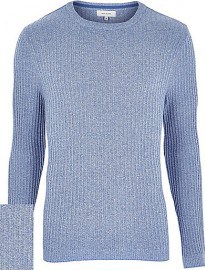
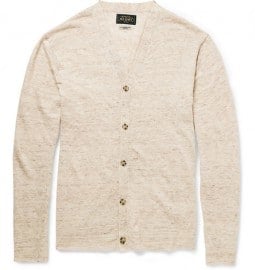
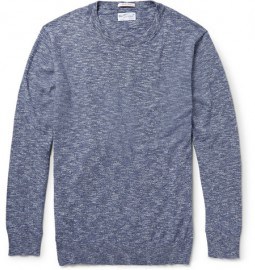
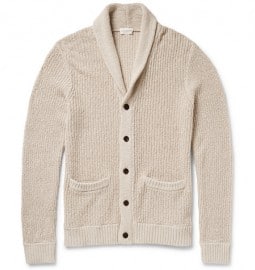
Since there is not always the need for an outerwear layer during the high summer months, you’ll want to make sure that your jacket introduces texture to your look without adding unnecessary bulk.
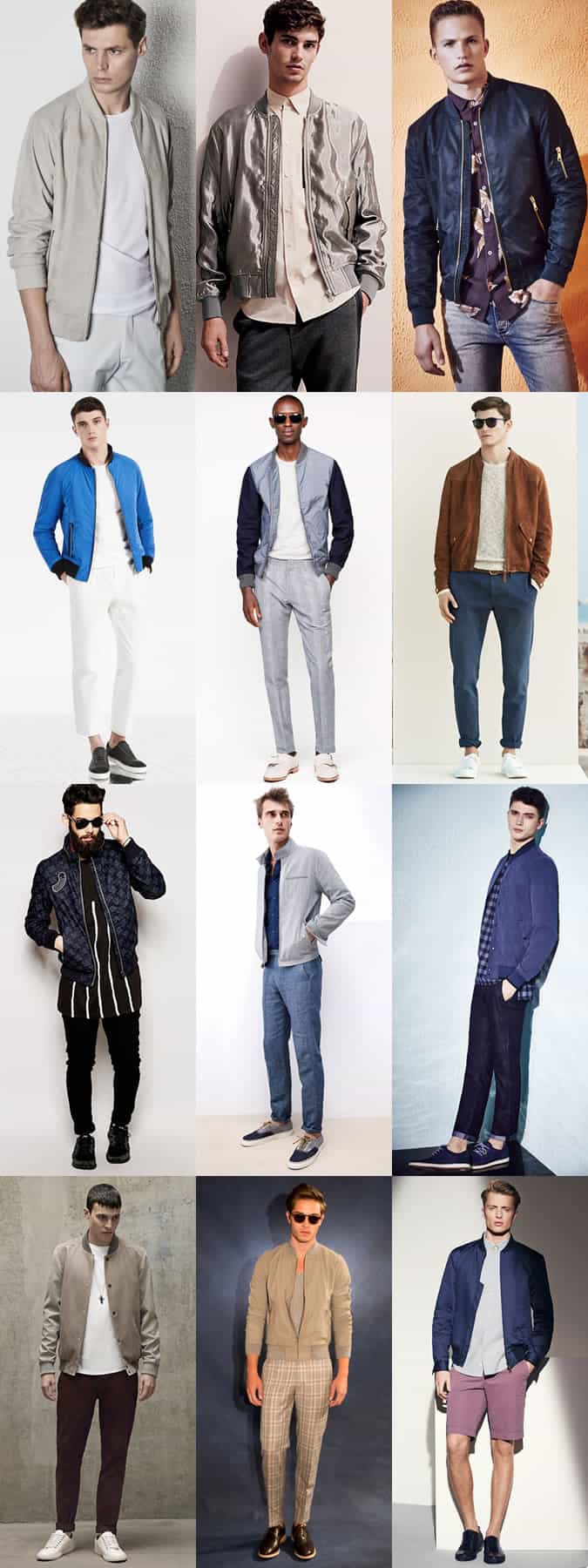
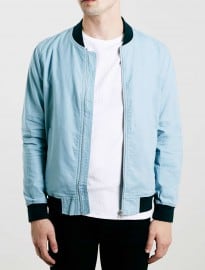
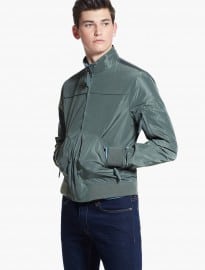
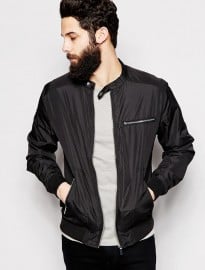
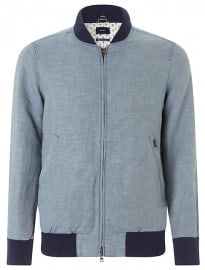
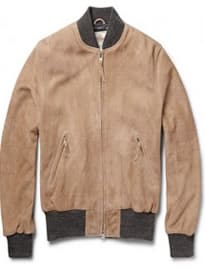
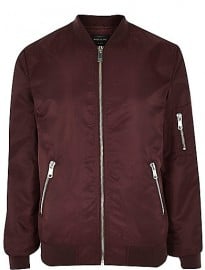
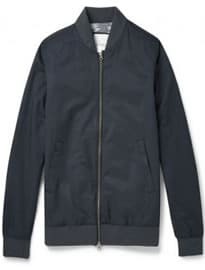
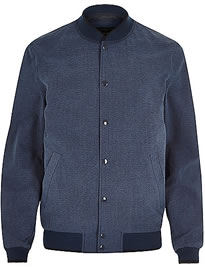
For SS15, there is only one silhouette you should be considering: the bomber. Versatile and on-trend, consider picking up a seersucker, linen, or cotton-linen blend design; breathable and cool, these summer-ready fabrics are comfortable to wear even in the heat, enabling you to craft looks full of depth and texture throughout the season.
Alternatively, for something sportier, keep an eye out for nylon bombers – the fabric’s natural sheen will bring an interesting textural and visual element to your ensemble and works particularly well in streetwear-inspired looks.
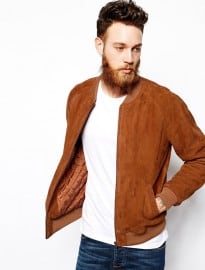
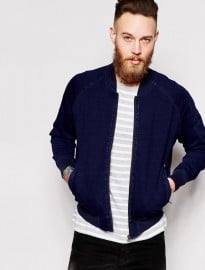
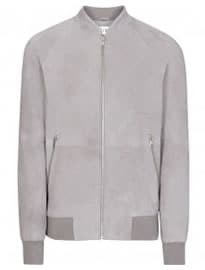
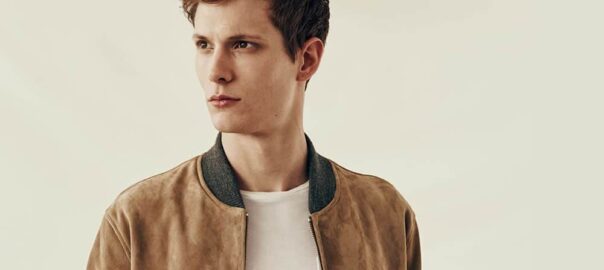
For a more rugged workerwear feel, try something in luxurious suede or this season’s key fabric: denim. Ideal for slightly cooler spring/summer days, both materials are extremely tactile and will give a sense of weight to your ensemble.
All of these styles will adapt effortlessly to both casual and smart-casual aesthetics, whether you choose to dress yours up with slim-cut denim and an Oxford shirt for a night out or combine with relaxed jersey shorts and a marl cotton tee at the weekend.

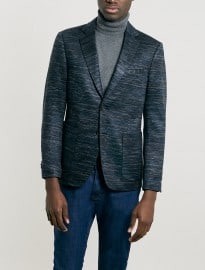
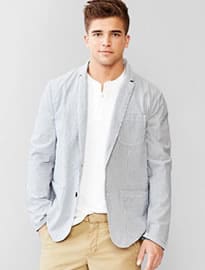
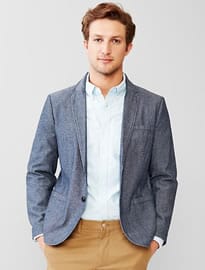
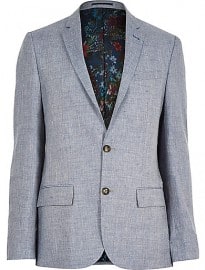
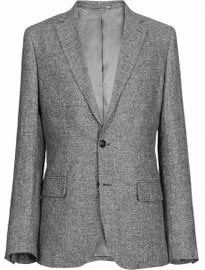
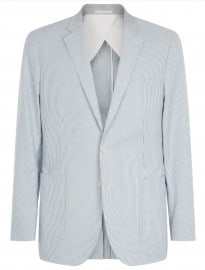
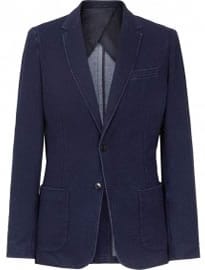
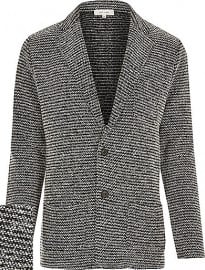
Just because temperatures are rising, it doesn’t mean you have to sacrifice your sartorial standards. When it comes to dressing up this season, a lightweight textured blazer will make the perfect addition to your spring/summer wardrobe.
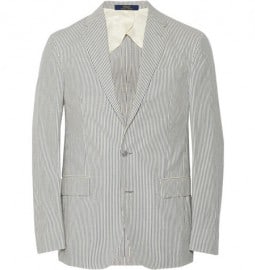
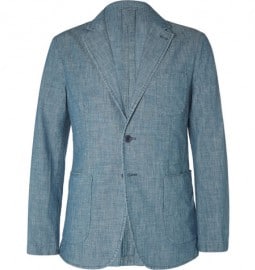
Unlined jackets in cotton, chambray and jersey are classic warm-weather options, with their unstructured silhouette producing a slightly crumpled appearance that adds another level of interest to any smart-casual look.
Alternatively, seersucker and 100 per cent linen styles are the definition of smart, summer dressing. Although many men tend to shy away from both materials due to the traits that give them their distinct appearance – seersucker’s puckering and linen’s predisposition to wrinkling/creasing – we say embrace these natural quirks, which will not only bring texture to your outfits, but also help produce refined, relaxed looks that are full of character.
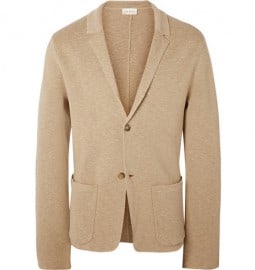
Finally, if you’re after something that’s sure to stand out from the crowd, keep your eyes peeled for knitted and brocade jackets this season.


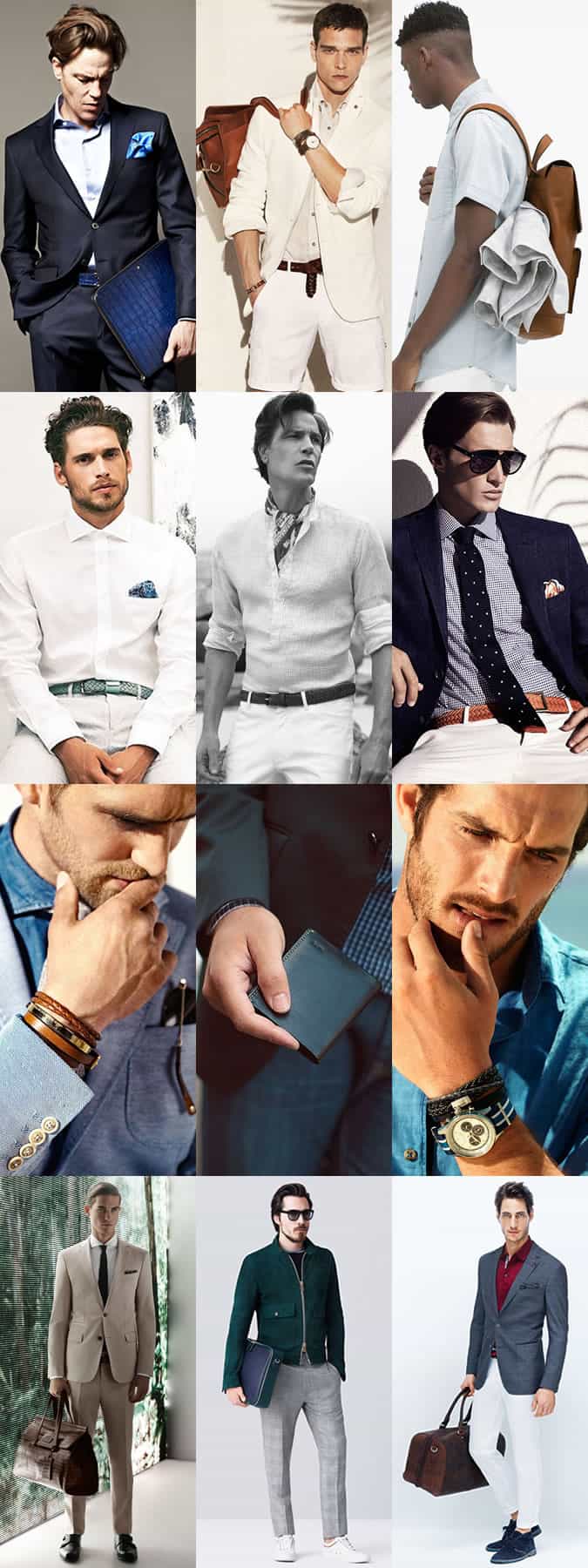
Every style-conscious gent knows that accessories are essential during the warmer spring/summer months, when multiple layers are often a no-go. With this in mind, a high quality leather accent – whether in the form of a bag, belt, card holder or bracelet – can be just the thing you need to bring a welcome touch of texture to your stripped-back warm-weather ensembles.
When we picture leather, most of us will imagine a buttery smooth texture or something wrinkled and worn with a patina full of character after years of regular use. But there are so many other aspects to this natural material.
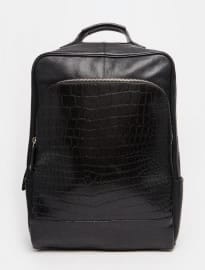
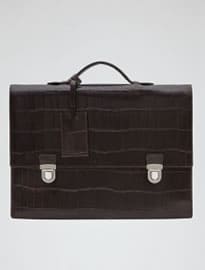
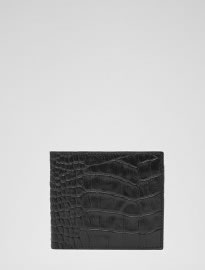
Take crocodile skin, also known as crocodile leather, for example. Hardly economical but inarguably luxurious, this type of leather is practically bursting with texture thanks to its undulating ridges and distinctive sheen – ideal for a wallet or folio if you have some serious cash to spare.
Of course, for those of us working with slightly more restrictive budgets, it’s not all bad news: modern tanners and brands are utilising embossing techniques that can give your leather accessories any look you want, from imitation reptile to flashy logos.
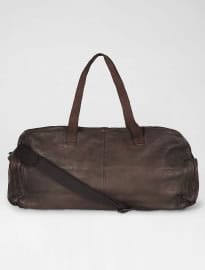
Subtler motifs, which have names like ‘saffiano’ or ‘straw grain’, are also widely available at both ends of the price spectrum, bringing depth to even the most simple of accessories, such as a classic leather holdall or your smartphone case.
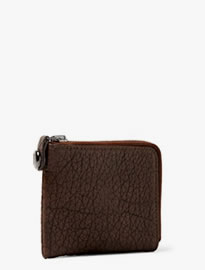
Other finishes to consider include washed leather, offering a subtle effect that’s the antithesis to something like crocodile, and distressed leather, which is rugged and distinctly masculine.
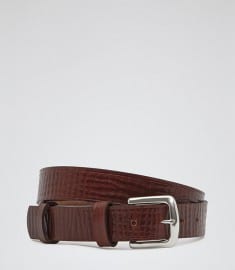
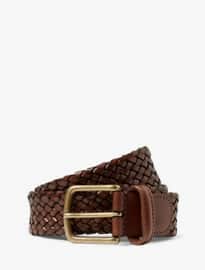
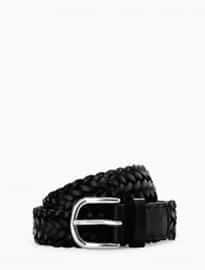
And let’s not forget textural effects like woven and plaited leather, which work well not only for belts but also wallets and bracelets.
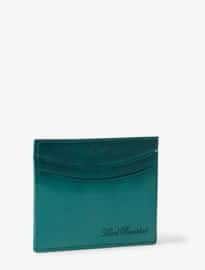
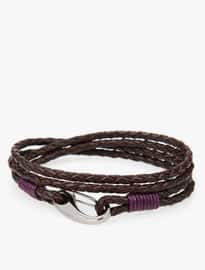
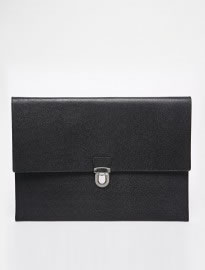
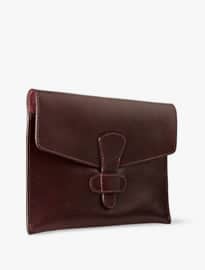
Although leather and canvas are of course distinctive textures in their own right, it’s worth experimenting with other fabrics and textural details once the hot weather hits.
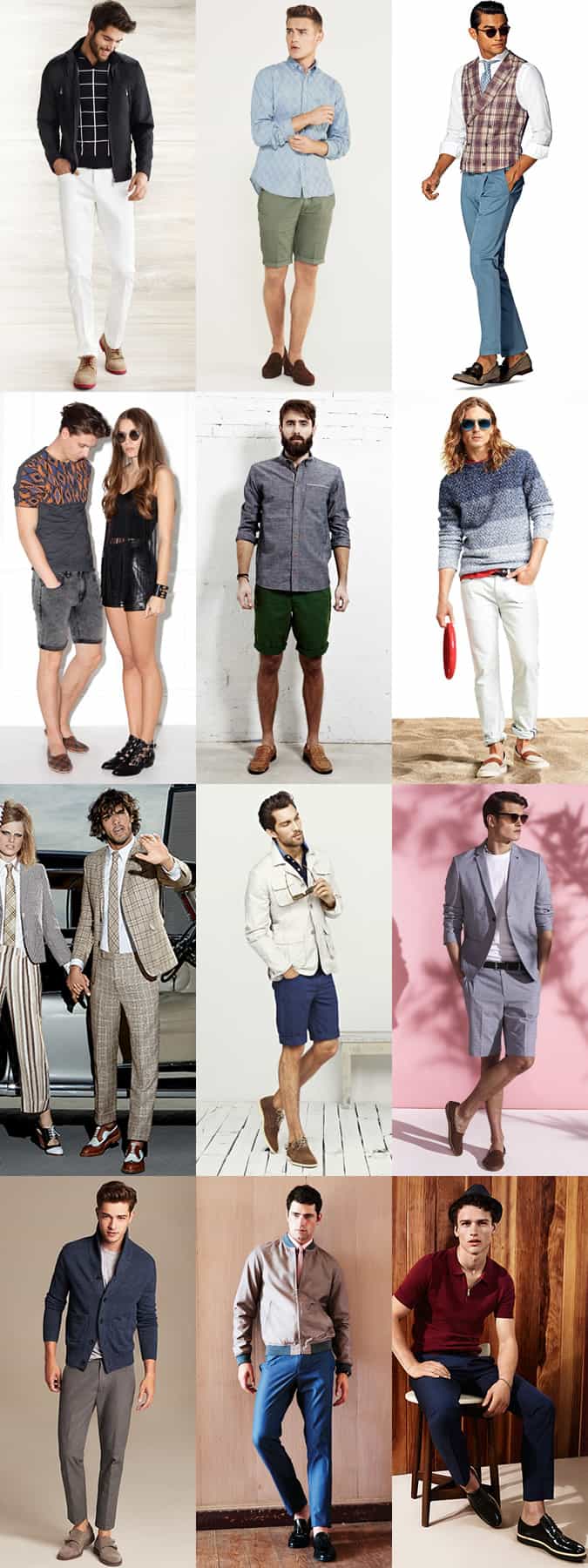
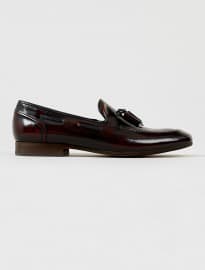
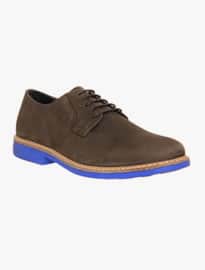
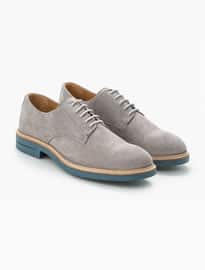
Suede and nubuck Derbies, brogues and monk-straps – provided you choose opportune times to wear them – will introduce a welcome tactile element to any formal outfit thanks to their plush finishes. Just make sure you maintain this luxurious appearance by caring for them properly.
For a contemporary take on classic leather footwear, why not try basket-weave loafers or espadrilles? Or, if you want to bring some personality to a more traditional silhouette, consider a dark burnished toe on your brogues or Oxfords – the contrast looks superb and shows you are a man who pays attention to the finer details.
Other things to consider include patent or high shine finishes, two-tone (whether colour or fabric) styles, and designs incorporating contrast soles, which will add richness of colour to the overall texture of your outfit.

 02 June 2015
 Gabriel Weil
We independently evaluate all recommended products and services. Any products or services put forward appear in no particular order. if you click on links we provide, we may receive compensation.
Have you ever thought about the first impressions you make?
On a first date, at a business meeting, or during any other kind of interpersonal exchange, your age, gender, ethnicity, posture, voice and numerous other features – varying depending on the observer – come together to produce a subjective, abstract and sometimes, unfortunately, unfair impression of you. This whole process happens as quickly as one tenth of a second, after which it becomes much more difficult to impress otherwise or fix anything that went wrong.
Yes, it seems unjust, but isn’t it better to know exactly what you’re dealing with? From the condition of your hair to the state of your shoes, each component of your image contributes to how you’re perceived each day.
So, how do you ensure you’re received warmly, rather than pointedly dismissed, by your more style savvy peers?
The answer is texture, gentlemen. Texture – whether the supple smoothness of a nappa leather jacket or the resinous effect of a sweatshirt’s painted shoulder – is what separates the men from the boys.
By definition, texture is the feel, appearance or consistency of a surface or substance. In fashion, it may come from a material’s natural appearance or the way it has been treated (woven, printed, covered, embossed, etc.) for a functional or aesthetic purpose.
A bit like a fine wine, the richer and more complex the texture, the greater the degree of attention you capture, whether that’s a double-take of appreciation from a passer-by or someone so intrigued they can’t help but cop a feel.
With this in mind, check out some of the best ways you can add eye-catching 3D interest to your warm-weather ensembles this season:
Just because the sun is splitting the rocks outside, it doesn’t mean you can’t take advantage of knitted textures. Cable, ribbed and waffle knit jumpers and cardigans in season-appropriate gauges are well suited to summer wardrobes in need of some textural enrichment, and especially good for throwing on over the top of a vest or tee once the evening draws in.
As well as keeping your eye out for those designs in a finer gauge, you’ll also need to consider material. 100 per cent cotton, cotton-linen and cotton-silk blends are the breathable, lightweight fabrications that will allow you to harness knitwear’s distinctive texture for the warmer months of the year, without running the risk of overheating.
Like you would with your cold-weather knits, take some time to check that the jumper or cardigan you’re about to invest in is carefully crafted – i.e. tightly rather than loosely woven.
Other features that will help bring additional depth and character to your warm-weather knitwear include dip-dye or ombré effects, patterns/prints, as well as subtle marled or flecked detailing:
Since there is not always the need for an outerwear layer during the high summer months, you’ll want to make sure that your jacket introduces texture to your look without adding unnecessary bulk.
For SS15, there is only one silhouette you should be considering: the bomber. Versatile and on-trend, consider picking up a seersucker, linen, or cotton-linen blend design; breathable and cool, these summer-ready fabrics are comfortable to wear even in the heat, enabling you to craft looks full of depth and texture throughout the season.
Alternatively, for something sportier, keep an eye out for nylon bombers – the fabric’s natural sheen will bring an interesting textural and visual element to your ensemble and works particularly well in streetwear-inspired looks.
For a more rugged workerwear feel, try something in luxurious suede or this season’s key fabric: denim. Ideal for slightly cooler spring/summer days, both materials are extremely tactile and will give a sense of weight to your ensemble.
All of these styles will adapt effortlessly to both casual and smart-casual aesthetics, whether you choose to dress yours up with slim-cut denim and an Oxford shirt for a night out or combine with relaxed jersey shorts and a marl cotton tee at the weekend.
Just because temperatures are rising, it doesn’t mean you have to sacrifice your sartorial standards. When it comes to dressing up this season, a lightweight textured blazer will make the perfect addition to your spring/summer wardrobe.
Unlined jackets in cotton, chambray and jersey are classic warm-weather options, with their unstructured silhouette producing a slightly crumpled appearance that adds another level of interest to any smart-casual look.
Alternatively, seersucker and 100 per cent linen styles are the definition of smart, summer dressing. Although many men tend to shy away from both materials due to the traits that give them their distinct appearance – seersucker’s puckering and linen’s predisposition to wrinkling/creasing – we say embrace these natural quirks, which will not only bring texture to your outfits, but also help produce refined, relaxed looks that are full of character.
Finally, if you’re after something that’s sure to stand out from the crowd, keep your eyes peeled for knitted and brocade jackets this season.
Every style-conscious gent knows that accessories are essential during the warmer spring/summer months, when multiple layers are often a no-go. With this in mind, a high quality leather accent – whether in the form of a bag, belt, card holder or bracelet – can be just the thing you need to bring a welcome touch of texture to your stripped-back warm-weather ensembles.
When we picture leather, most of us will imagine a buttery smooth texture or something wrinkled and worn with a patina full of character after years of regular use. But there are so many other aspects to this natural material.
Take crocodile skin, also known as crocodile leather, for example. Hardly economical but inarguably luxurious, this type of leather is practically bursting with texture thanks to its undulating ridges and distinctive sheen – ideal for a wallet or folio if you have some serious cash to spare.
Of course, for those of us working with slightly more restrictive budgets, it’s not all bad news: modern tanners and brands are utilising embossing techniques that can give your leather accessories any look you want, from imitation reptile to flashy logos.
Subtler motifs, which have names like ‘saffiano’ or ‘straw grain’, are also widely available at both ends of the price spectrum, bringing depth to even the most simple of accessories, such as a classic leather holdall or your smartphone case.
Other finishes to consider include washed leather, offering a subtle effect that’s the antithesis to something like crocodile, and distressed leather, which is rugged and distinctly masculine.
And let’s not forget textural effects like woven and plaited leather, which work well not only for belts but also wallets and bracelets.
Although leather and canvas are of course distinctive textures in their own right, it’s worth experimenting with other fabrics and textural details once the hot weather hits.
Suede and nubuck Derbies, brogues and monk-straps – provided you choose opportune times to wear them – will introduce a welcome tactile element to any formal outfit thanks to their plush finishes. Just make sure you maintain this luxurious appearance by caring for them properly.
For a contemporary take on classic leather footwear, why not try basket-weave loafers or espadrilles? Or, if you want to bring some personality to a more traditional silhouette, consider a dark burnished toe on your brogues or Oxfords – the contrast looks superb and shows you are a man who pays attention to the finer details.
Other things to consider include patent or high shine finishes, two-tone (whether colour or fabric) styles, and designs incorporating contrast soles, which will add richness of colour to the overall texture of your outfit.


Get the latest Men's Style Advice, Evergreen Guides, Shopping Tips, and Exclusive Deals From Today's Top Brands.
We respect your privacy. We won't spam you.
Get the latest Men's Style Advice, Evergreen Guides, Shopping Tips, and Exclusive Deals From Today's Top Brands.
We respect your privacy. We won't spam you.
